
Nikon D850 Exposed - Unboxing, Capture, Process and Print
In this special blog post and video, I take a look at the new Nikon D850. I unbox it and take it out to Dartmoor to capture some images. Back home I process and print the images and give you my first impressions of the camera.
A Little Camera History
My first full frame camera was the Nikon D600 which was released in September 2012. As many people know this camera had a few problems with oil leaking onto the sensor. Despite a number of product recalls the product was eventually replaced by the D610 in October 2013. I was lucky though as Nikon replaced my D600 with a new D610 under warranty.
In July 2014 Nikon announced the Nikon D810 and this was followed up by the release of the D750 in September of the same year. After only a short time with the D610 I decided that I was going to upgrade again. I looked at both cameras but at the time I felt I couldn't justify the cost of the D810, nor would I probably benefit from what it offered.
The D750, on the other hand, had a few of killer features. It had the flippy out LCD screen, high ISO capabilities, and WiFi built in. While the latter two would only really benefit my music photography, the flippy out LCD would be great for my landscape work. So I sold my (almost new) Nikon D610 and purchased the D750.
It's Finally Here
The D750 continued to be my main camera for the next three years until the D850 appeared on my doorstep the other day. I had been considering an upgrade for around a year but there was nothing really to upgrade to. The Nikon D810 was still a great camera, but I would miss some of those great D750 features.
I wasn't going to change camera systems either. Sure the Sony mirrorless technology is very attractive, and the new Fuji mirrorless medium format camera is a landscape photographers dream, However, the transition to either system would be costly and neither was that well suited to my music photography.
So when I saw the D850 announcement and looked at the specification list it ticked all my boxes. When pre-orders became available I was ordering within minutes! This was going to be a significant investment for me but I feel I'm at a point in my photography journey that I can justify the upgrade. Thanks to part-ex with WEX I can offset some of the cost by trading in my D750.
Using the D850
So now that I have the D850, what is it like? To document my experience from unboxing to capturing my first landscape image, processing it and finally printing it I have created this video.
I would have like to have used the camera for the first time in better circumstances but the weather was just proving too problematic. Venford Falls was a good option but looking at the images a lot of foliage is being blown about by the wind. The falls really look their best in spring time when everything is green, fresh and lush.
However, even with the challenging conditions, the camera was able to produce images with great tones, colour, and contrast.
A metered exposure of 30 seconds gives great results.
This image is the same as the previous image but at 8 seconds this image was deliberately underexposed. However, there was no apparent loss in quality when the darker areas of the image were recovered.
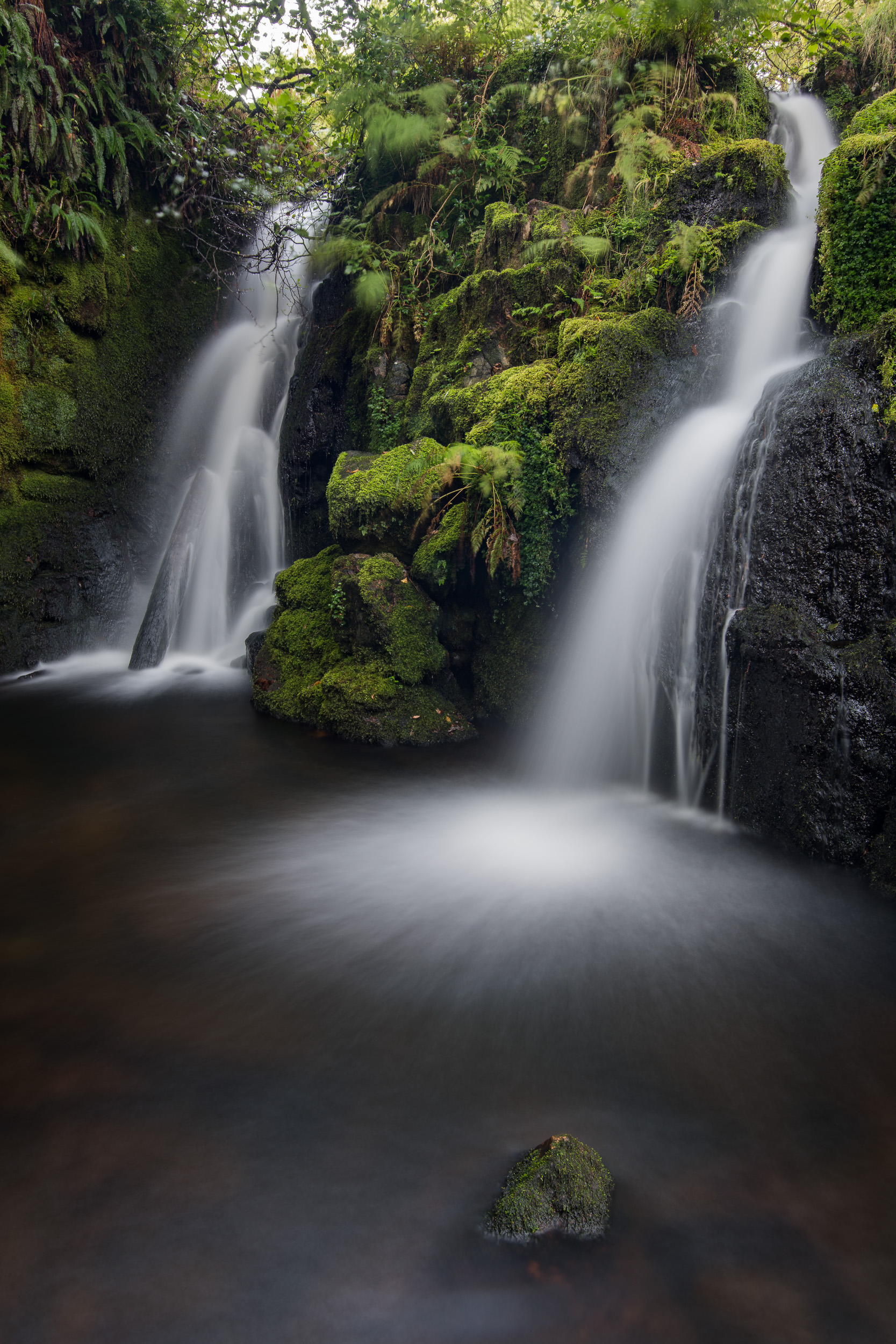
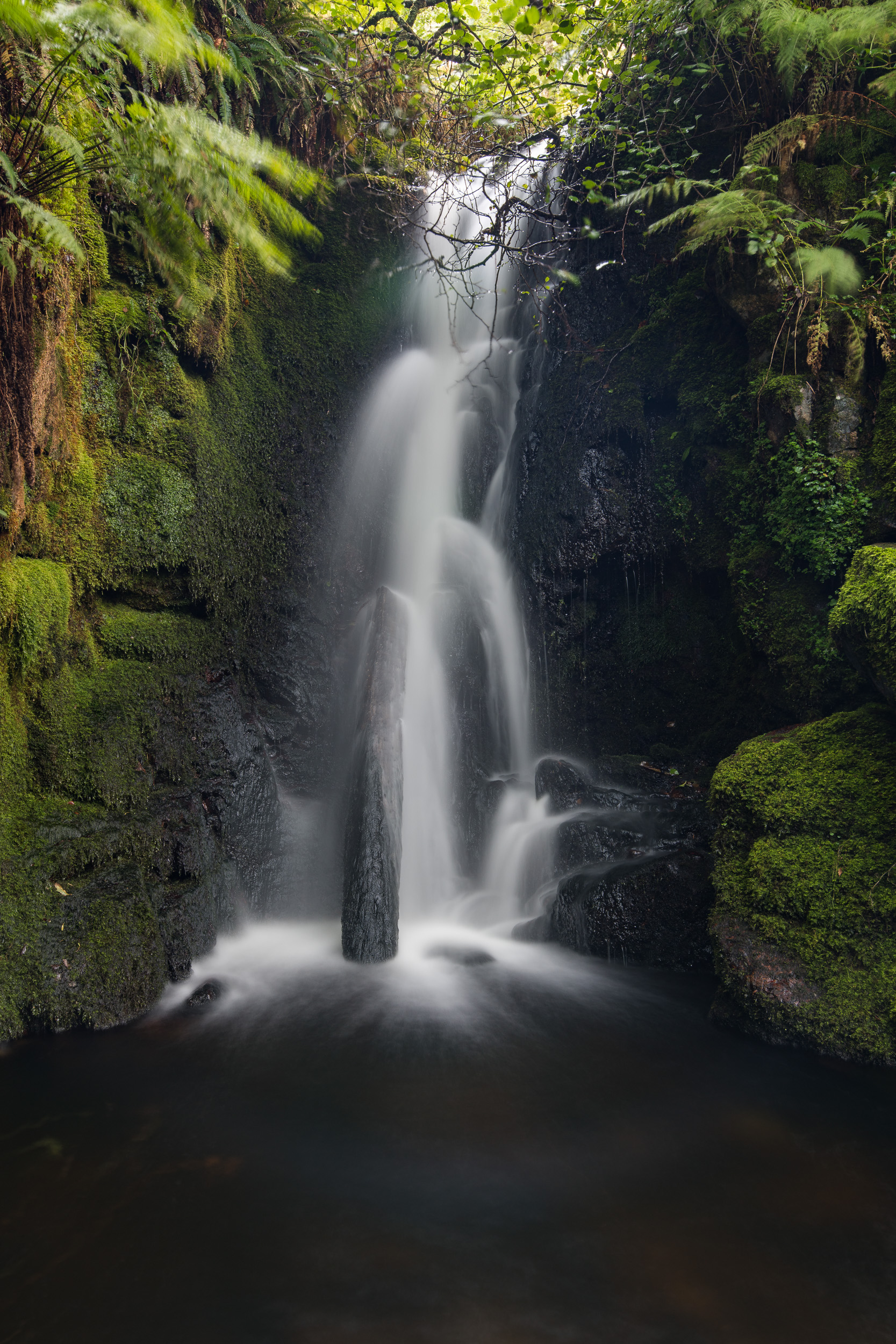
I really liked the handling of the camera it made the capturing of images just a little easier than it is in the D750.
More to Learn, More to Shoot
I've only had the D850 for a few days so there is so much more to learn about this camera. There will be the enhanced features over the D750 as well as some new capabilities that I can learn about. I guess it will take a while before I really start leveraging what the D850 has to offer, but it's going to be fun learning.
So will the D850 make me a better photographer? Of course not! Only by practising the craft of photography will I become a better photographer. The D850 is a tool and it will help me capture my images, but it can't improve my creative eye. As David duChemin says, "Gear is good, but vision is better".
So have you bought or considered the new Nikon D850? Have you recently replaced your camera? Have you changed camera systems before? Let me know in the comments below.

Discovering the Joy of Printing
In my this blog post and video I tell you why I have decided to start printing my work and what it was like to print my first A3 image using a Canon Pixma Pro-10s printer.
Why Print?
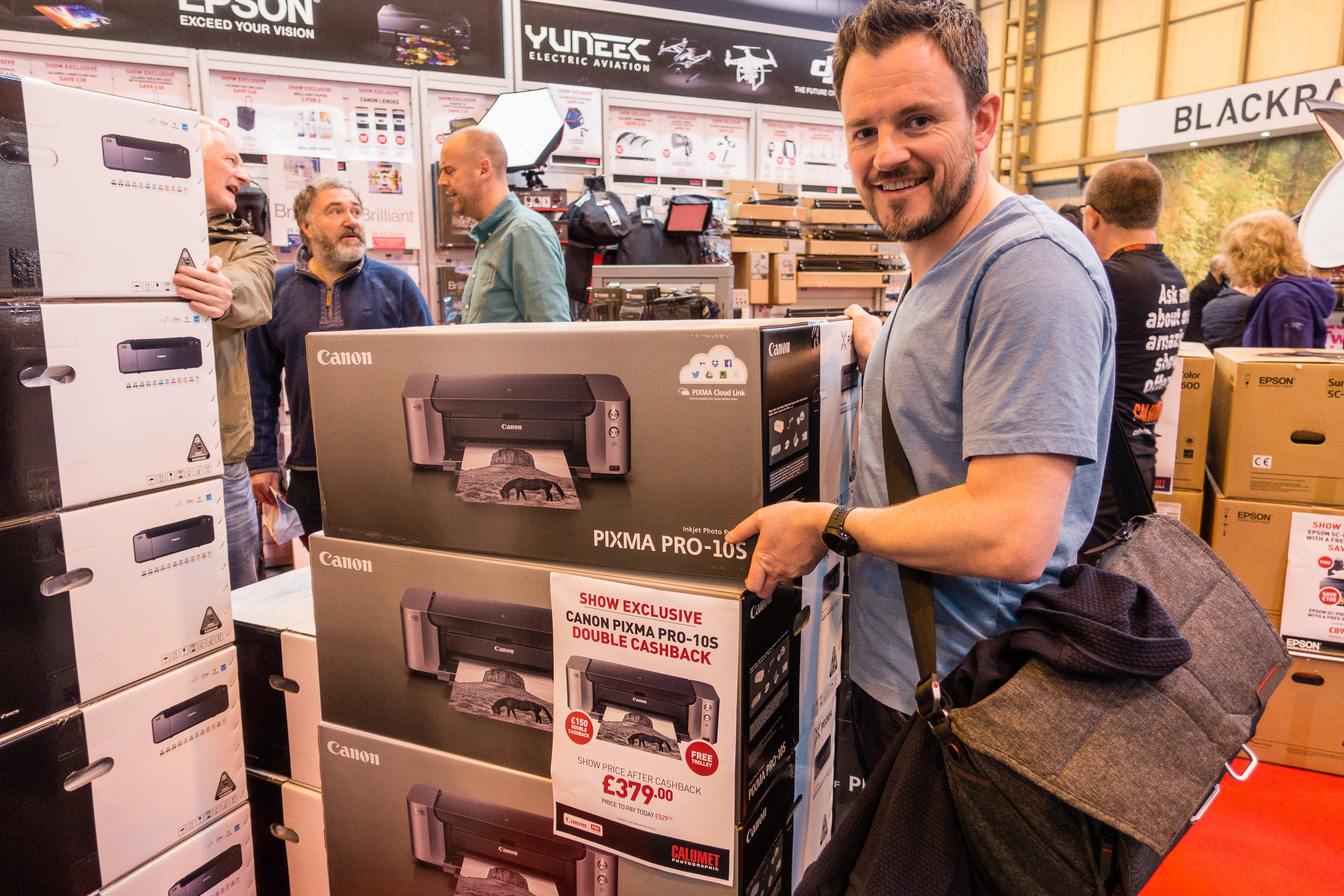
I was at The Photography Show at the Birmingham NEC a few weeks ago and while I was there I picked up a Canon Pixma Pro-10S printer. Every year I hope to pick up a bargain from the show and this year was no different. When I saw that Canon was offering double cash back on their range of Pixma Pro printers I went straight to the Calumet stand and grabbed myself Pro-10S.
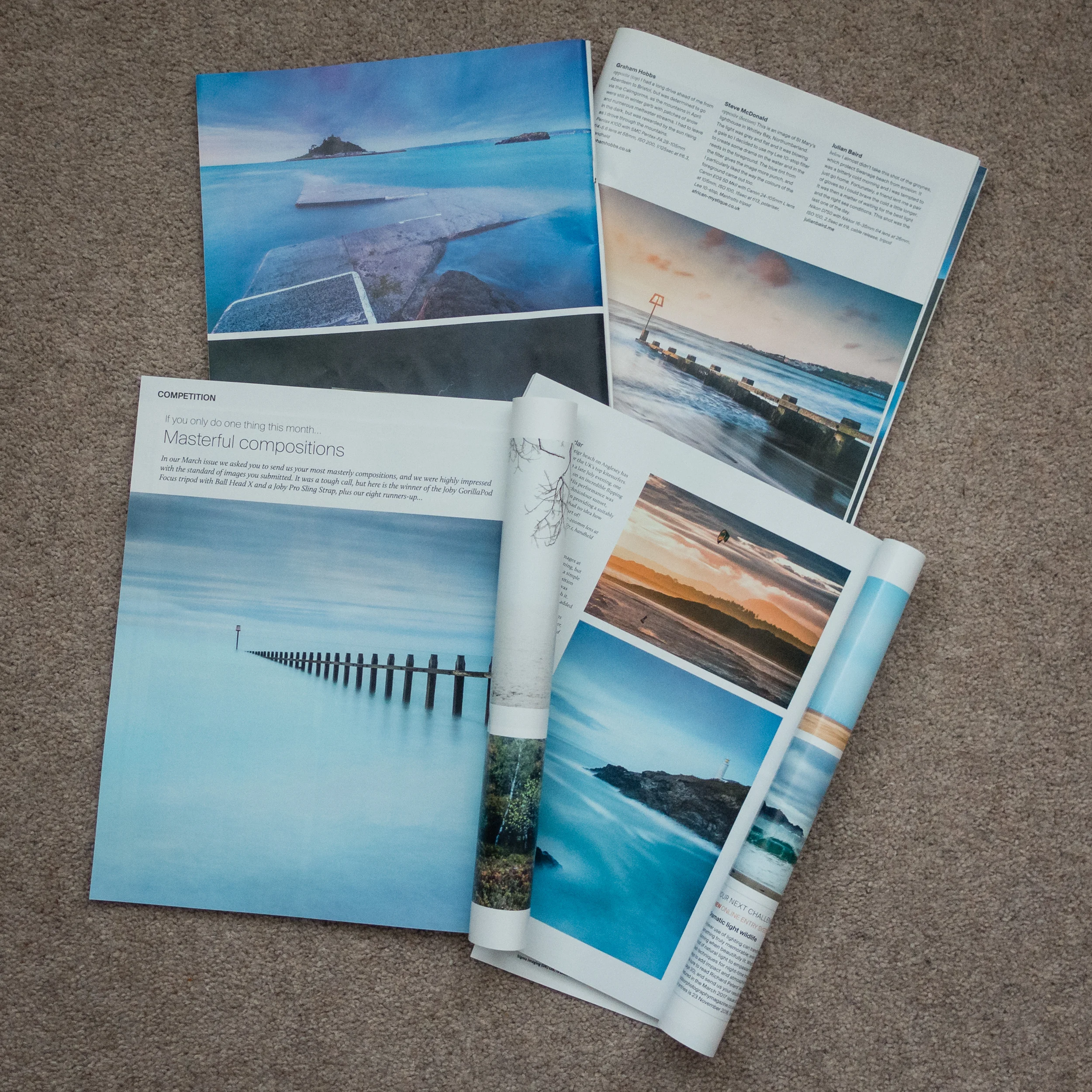
Though this may sound like a spontaneous decision, it was not. For at least a year now I've wanted to extend my workflow to include printing. There are a couple of reasons for this decision. Firstly, seeing some of my images printed in Outdoor Photography magazine has made me realise how wonderful it is to see one of your images in print.
I have also been influenced by a couple of photographers that I follow online that are big proponents of printing, Martin Bailey and David duChemin. Martin wrote and excellent ebook on printing Making the Print and David has an excellent video on Ideas for Living With Your Photographs.
I wanted to live with my work a bit more. Why should my images gather dust in a digital archive? I want to see what my images looked like in physical form.
Printing at Home
So why would I go to all the hassle of printing at home? Why not just send the images to a lab and have a professional do it? This is a valid question but for me, half the fun is the process of the print. There is a sense of excitement as the printer slowly prints out one of your images. The anticipation of seeing the final result. Printing is the last step in a complete end to end photography workflow that starts with capture and ends in print.
This isn't to say that I wouldn't use a lab. Labs are great, especially if you need an unusually large print, need framing or need to print on other materials. But for me, I want that tangible experience of doing the print myself and hanging it on my wall.
What about the cost? Isn't printing at home expensive? I'll be absolutely honest with you, I have not concerned myself with how much each print will cost. That's not to say that I don't care, it's just that the cost per page isn't something that has influenced either my decision to print at home or the decision to buy this specific printer.
I've always owned Canon printers and my current office printer is a Canon so I was very comfortable with my decision to buy the Canon Pixma Pro-10S. Also, given the volumes of printing that I was going to do, I could treat myself to an A3 print every now again. Compared with all the other money I have spent on photography over the years, the cost of a print seems a small price to pay to further my enjoyment and experience of photography.
My First Print
I was excited to make my first print with my Canon Pixma Pro-10S. One of the first things I needed to do was to get some paper. There is a dizzying range of paper types and sizes out there. I thought I would make my life easy to start with by selecting from Canon's own range of pro papers. After watching David Noton's videos on A guide to Fine Art and Photo Printing and Fine Art and Photo Printing I knew the Canon paper types would already have the relevant ICC profiles installed which should make my first print easier. He also made some good suggestion on which paper types to use.
So I got onto Amazon.co.uk and ordered some Canon Pro Platinum A4 and A3+ glossy paper. I was ready to start printing. If you want to see how I got on with my first print, from setup to final output, I've made a short video of my experience.
Impressive, Fun and Simple
To say that I was impressed by the output would be an understatement! The accuracy of the print compared to what I saw on the monitor was remarkable. The colours, tones and contrast all looked amazing on the glossy A3 paper. My black and white image from my Live Music portfolio was also stunning with the printer producing a punchy and detailed print.


I was also pleased how simple it was to make a successful print. I was already calibrating my monitor but I was worried that I might have to extend that to include printing, but Getting an accurate print was no more difficult than selecting the correct paper type in the Canon Print Studio Pro.
However, almost as important as the quality and simplicity of the process was that it was fun. There really was something very special about watching one of your favourite images gradually appear from the printer. When I held up that first print to the light I realised that I had definitely made the right decision to get into printing. The whole experience of looking at your images in print is so vastly different from seeing them on a monitor, even one as good as my Eizo monitor. Printing now as a permanent home in my photography workflow and I can't wait to print more of my images.
So do you print your work? Do you print at home or use a lab? Let me know in the comments below.

Inspiration and Influence
In this blog post I discuss my personal photographic influences. These are the photographers that have not only inspired my creative style but also given me encouragement to publish my work, write this blog and even create videos.
A Source of Inspiration
Inspiration is a powerful thing and for landscape photographers it can come from many sources. It could be from seeing in image in a magazine you were reading over a coffee one morning, or from a visit to an art gallery to see the work of some of the greats. Either way, I'm not sure many of us would have become photographers if we hadn't been inspired by someone or something.
As a landscape photographer (who is still learning his craft), I gain a lot of inspiration from the work of other landscape photographers. In particular I have been heavily motivated by the inspiring photographs in competitions such as Landscape Photographer of the Year. (Read my thoughts on photography competitions here). Images like those found in Landscape Photographer of the Year have driven me to shoot more and improve the quality of my work. Without the influential and inspiring works of others I probably would have chosen to ignore some of those 4am alarm calls or have chosen to open a bottle of wine in the evening.
In this blog post I discuss my personal photographic influences. These are the photographers that have not only inspired my creative style but also given me encouragement to publish my work, write this blog and even create videos.
Thomas Heaton
I first discovered the work of Thomas Heaton on the Improve Photography podcast where I pleased to hear a British photographer being interviewed. Not only does Thomas Heaton produce stunning landscape images but he produces fantastic YouTube videos on how he goes about his photography. It was content that I could connect to and relate to.
His stories are wonderfully told and though I'd been thinking about blogging and vlogging for a while it was definitely the viewing of Thomas Heaton's videos that gave me that final inspiration to just get on and do it. His images also are a great source of inspiration. So much so that I've purchased his 2017 calendar which you can see here and purchase here. That calendar should encourage me to see a few more 4am alarm calls.
And if you ever need some motivation or inspiration for you landscape photography check out this wonderful video by Thomas Heaton called Wake Up.
Not only is this video by Thomas Heaton inspiring, but it is a great example of how to produce engageing content.
Jared Polin - Aka FroKnowsPhoto
As with Thomas Heaton I discovered the work of Jared Polin on a photography podcast, but this time it was TWiP. It's hard to describe Jared in words but larger than life seems apt. His work has influenced and inspired me in two ways. Firstly his photography has greatly influenced my music work (see my blog post on My Other Photography Life). Through his YouTube channel I have learnt not only how to go about shooting live music but how to work my way up from shooting local venues to music festivals run by national broadcasters.
He has also been very influential in how I style the content that I'm writing now and will be in the future. If there was ever a great example of how to produce compelling and entertain content it is him. His free video guide to branding is well worth a download and I recommend you subscribe to his YouTube channel.
My first landscape photography video. I'm trying to make engaging content, something that Jared is a master at. I have a long way to go, but we've all got to start somewhere.
David duChemin
David's work and videos have been inspirational in developing the artistic style of my images. His YouTube channel has a wonderful series of videos in which he delves into the art of photography. Topics such as intent, composition, processing and printing have all influenced my approach to photography and how I output my images. It inspires me to improve my process and approach to taking images in the field.
Though I will probably never visit some of the locations David has photographed, images like the those found in his Portraits of Earth collection inspire me to improve my artistic skills and develop my own personal style.
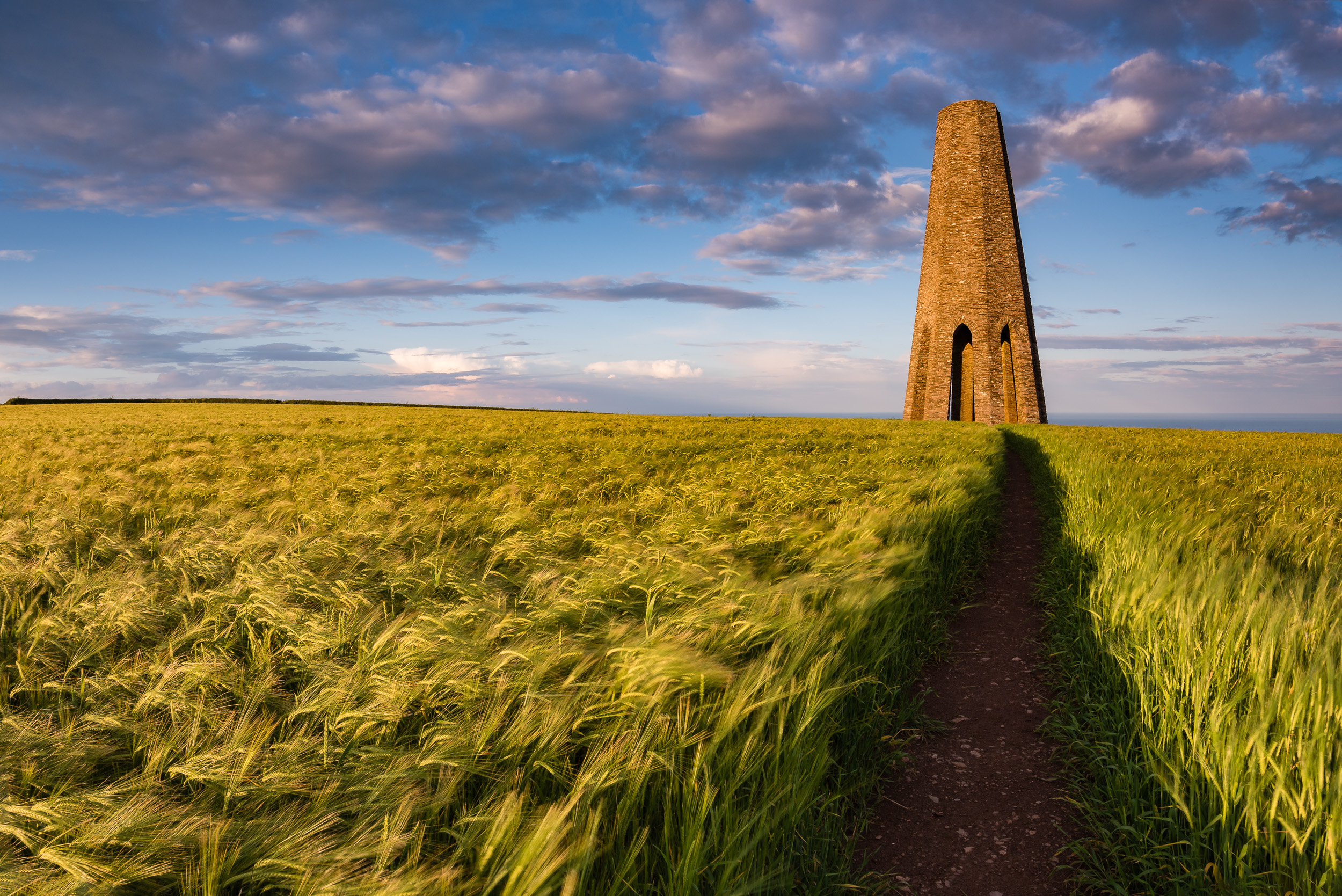
When I shot this image I had a vision in mind. It also didn't need much post-processing. This kind of approach to my photography has been influenced by the approach taken by David in his videos.
Ross Hoddinott
Ross has probably has probably inspired me the most in my journey as a landscape photography. This will be largely due to the regular contact I have with him (see my post on Tuition and Mentoring). Through the many 1-2-1 tuition sessions I've had with Ross I have learnt a great deal about photography and how to approach and shoot the landscape. With each new photography skill learnt from Ross my confidence grows and it is with that growing confidence that I find myself being even more inspired to not only shoot more but to drive up the quality of my images.
Furthermore I find his images inspiring as not only is a lot of his work local to me but I find he produces images of a style and quality that I wish to aspire to. Just check out his wonderful image of Dawlish Warren in this link.
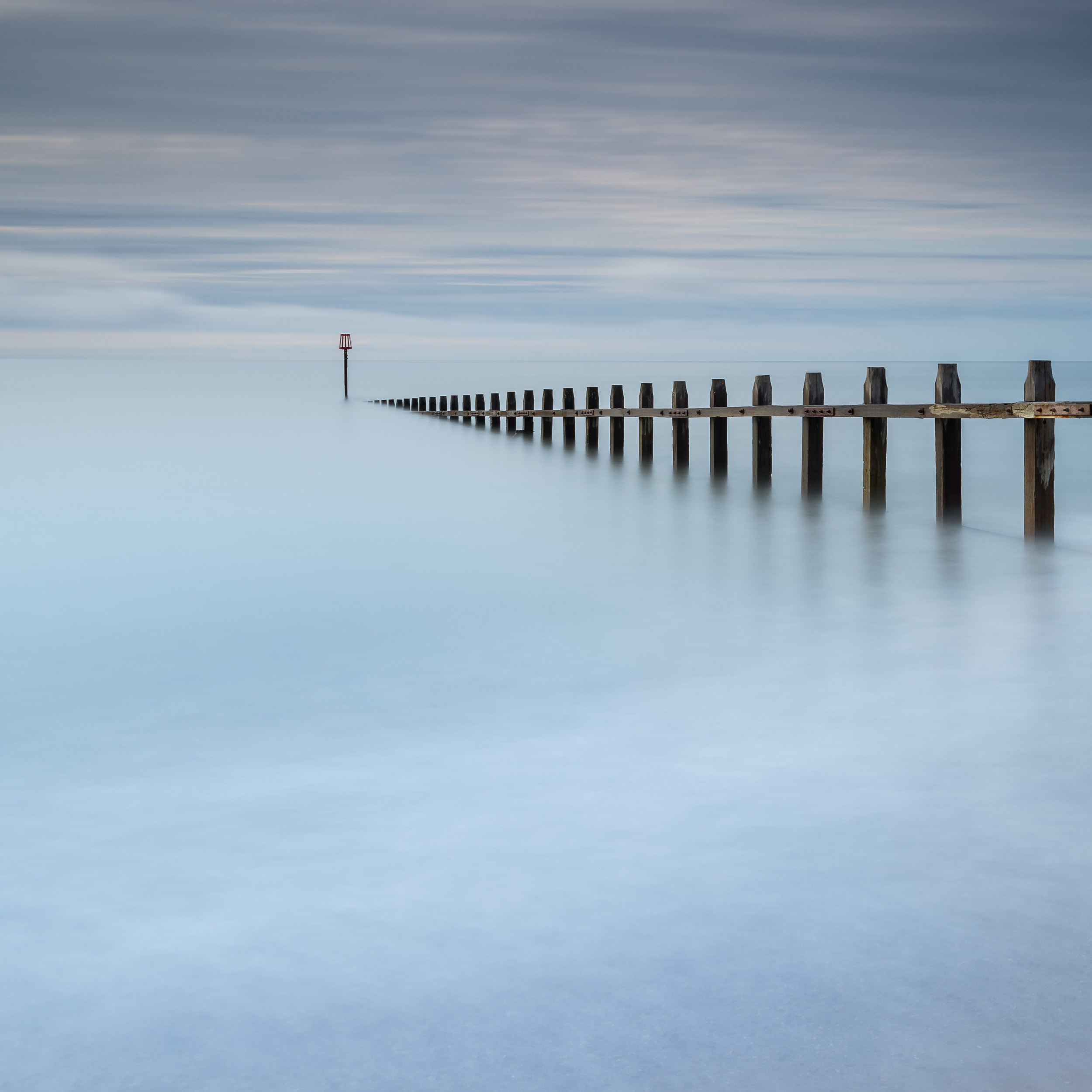
I created this image of a groyne on Dawlish Warren after being inspired by the work of my photography mentor Ross Hoddinott.
Always Look for Inspiration
While all these photographers have inspired and influenced my artistic style, each one has also influenced my photographic journey in other ways. Photography is so much more than just taking images and through following the work of others I have been inspired to extend my skills as a photographer by taking on challenges such as writing this blog.
I continue to find new sources of inspiration and influence, and hopefully one day the pictures I take or the content I create will inspire a photographer to produce something special.
Which photographers inspire you to get out of bed in the morning? Do we even need inspiration or should we try to find our own direction from the start? Let me know in the comments.