
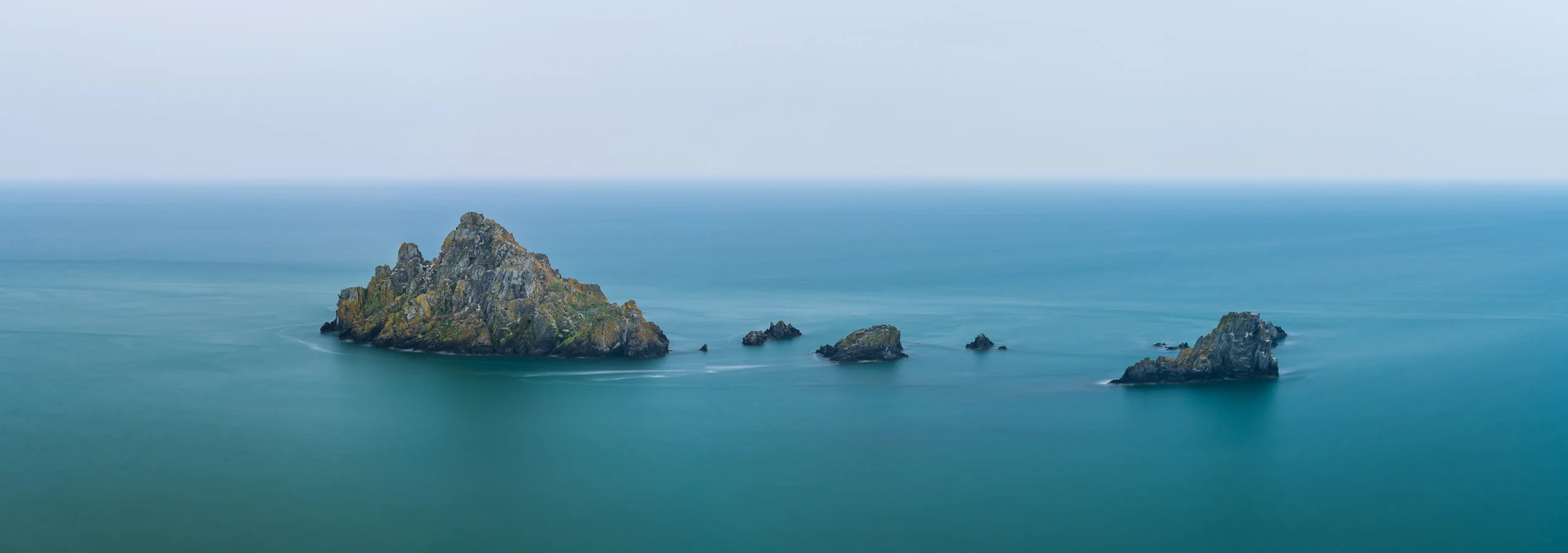
Creating Coastal, Long Exposure, Panoramic Images with the Nikon D850
Have you ever taken a coastal, long exposure, panoramic image before? Well, that's just what I did in my latest video. Sometimes you need to see a scene a little differently to get inspired in a big way.
Getting Inspired
Over the years I've visited Froward Point on the south Devon coast a few times. Despite many attempts I've never really captured an image from that location that I'd really been happy with. In fact, I'd just about given up on it as a location.
However, after being inspired by the work of another local photographer, I thought Froward Point might be worth another visit. This time though, I would leave most of my gear behind, travel light, and wander along the coast path a bit more. Rather than go back to the same spot I always end up going to, I would see what other viewpoints there might be.
Sure enough, as I walked along the coast path I got to see a view of rocks near Froward Point in a totally new way! My creative brain got all excited by the new compositions that I could make photographs from. For me, the scene instantly said that this coastal image would be a long exposure, and would be best suited to the panoramic format. I even thought it would work best on a grey and overcast day.
With a clear vision of what I wanted to photograph, I just needed to return at the right time when I had the weather conditions were right and the tide was high. Here is what happened when I did finally return:
As you'll have seen this video was a bit longer than normal, but I wanted to take you through my thought process, how I set up the camera, and how I eventually captured then printed the final image.
So have you ever captured a coastal, long exposure, panoramic image before? What photography techniques have you combined before? Let me know in the comments below.
The Photographs
A Coastal Long Exposure Panorama - Froward Point, Devon: Nikon D850, Nikkor 70-200 mm f/2.8 at 70 mm, 20 secs at f/11, ISO 64, Lee Filters Circular Polariser. 5 Image stitch.
On an Island - Froward Point, Devon: Nikon D850, Nikkor 24-70 mm f/2.8 at 58 mm, 105 secs at f/6.3, ISO 64, Lee Filters Circular Polariser. 5 Image stitch.
Islands in the Blue - Froward Point, Devon: Nikon D850, Nikkor 24-70 mm f/2.8 at 29 mm, 40 secs at f/11, ISO 64, Lee Filters Circular Polariser.

On Location with the Nikon D850: Froward Point
In the blog this week I share with you my latest video on the Nikon D850. Watch I as I go on location to shoot some seascape images at Froward Point in Devon. I take you through my workflow on how I setup the camera and how I'm using some of the features of the D850. I then head home where I process, print and review the image.
Getting to Know the Nikon D850
Since getting my Nikon D850 I haven't been out to take photographs with it as much as I hoped I would. The bad weather at the moment always seems to know when I have time to go out with the camera. However, I was treated to an epic sunset up on Dartmoor the other day. I got some wonderful images and I'll be sharing them on my blog in the near future.
The Nikon D850 is performing very well and is delivering me some wonderful raw files full of dynamic range. I just wish I didn't have to convert them to DNG first....c'mon Adobe, update Lightroom, please! LR issues aside this is a great camera and so I wanted to do a follow up to my Nikon D850 Initial Impressions video. This video is my most popular video on YouTube to date and there seemed to be a real desire from people to know more about some of the capabilities of this camera.
So in this video, I take the Nikon D850 out to photograph seascape images at Froward Point in Devon. This time I take a closer look at my workflow and how I put some of the features of the Nikon D850 to work.
Froward Point
I've talked about Froward Point a couple of times on the blog and in my videos, but in case you don't know where it is, here it is on the map:
So onto the image itself. Unfortunately, I didn't get the light I was after but I'm still reasonably happy with the image I took.
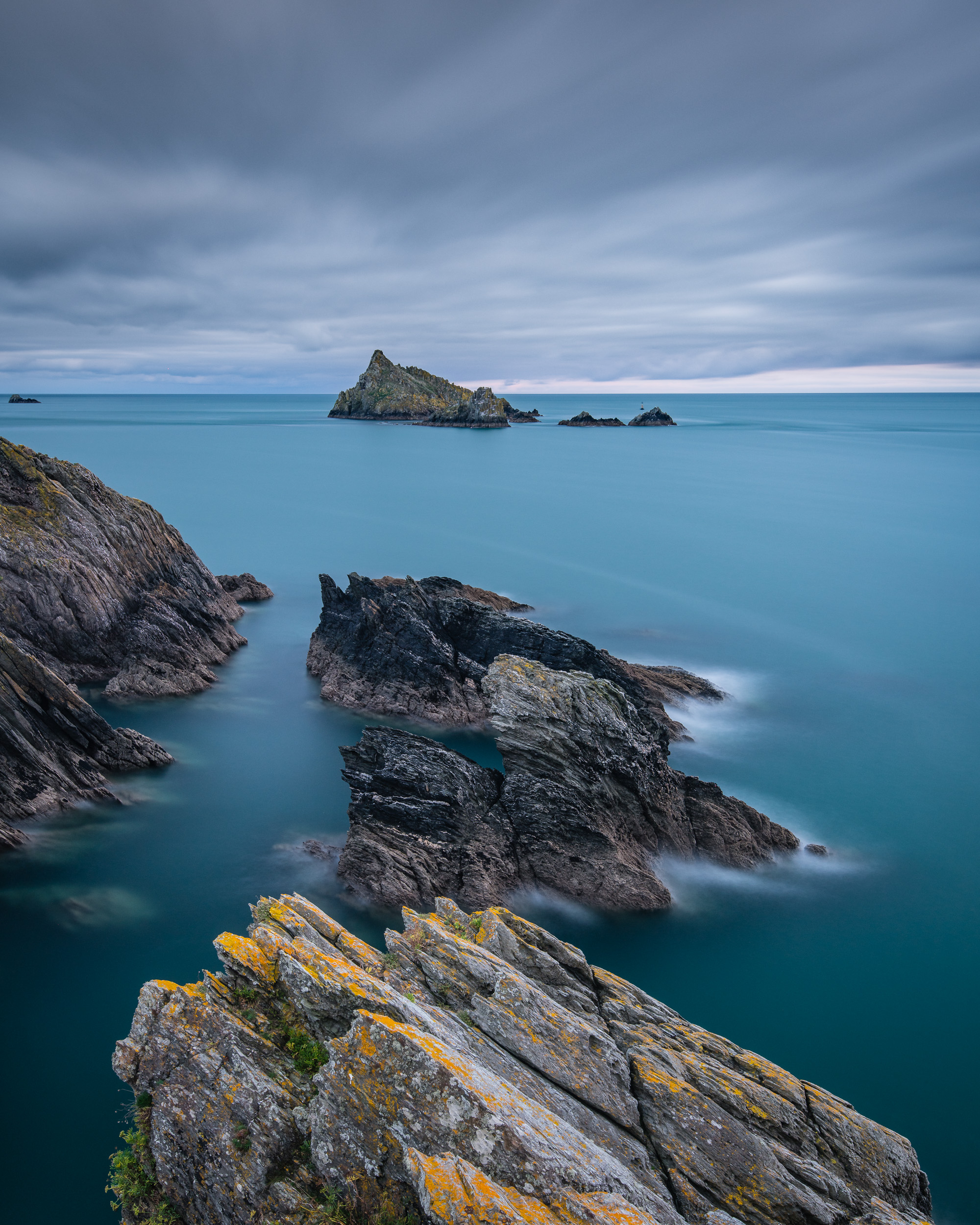
Nikon D850, Nikkor 16-35mm f/4 @ 29mm, ISO 64, 180 secs at f/10. Lee Filters circular polariser and 3 stop medium edge ND grad.
While the image might not be one that goes in the portfolio it was, as always, good to get out with the camera. I'm still familiarising myself with the D850 so time with the camera at the moment is even more important. Overall though I only have positive things to say about the D850 and I'm looking forward to shooting even more with it.
So have you been to Froward Point? What new feature in the D850 interests you? Let me know in the comments below.

My Field Guide to Using ND Filters
In this blog post and video I take you out on a shoot to Froward Point in South Devon to take you through my workflow when using Neutral Density (ND Filters). It doesn't matter what strength of ND filter or even who makes it, my process is the same. Read the blog post and watch the video to find out more!
Control
Modern cameras are wonderful and amazing bits of technology. They allow us to turn our creative visions into beautiful images that we can connect with. We have a lot of control. We can change shutter speed, aperture, focus, ISO, and position, all with the aim of capturing that moment. One thing we can't control is mother nature and so sometimes we need a little extra help "control the light".
This image required an exposure time of 72 seconds. Generally speaking it would not have been possible to get an exposure of this length without an ND filter.
This is where filters come in. Now, there are such a dizzying array of filters available it would be slightly foolish of me to try and cover them all here, so I'm going to concentrate on the use of ND (Neutral Density) filters or to be more specific how I use ND filters.
Though I use ND filters in my landscape work, it is probably in my seascape work that I will use them the most. They allow me to creatively control how the water looks in the image. It could be that I want to lengthen the exposure to 1 or 2 seconds to show the path of a wave, or even 3 or 4 minutes to smooth out the texture of a choppy sea. Sometimes you just can't get exposures times like that just with the camera alone.
The Process
I have a range of ND filters in my bag, all made my Lee Filters (my filter manufacturer of choice). I have a 3 stop, 6 stop (Little Stopper), 10 stop (Big Stopper), and 15 stop (Super Stopper). The Super Stopper is a recent addition to my kit bag and you can read how I got on with it on my first trip out with it here.
No matter which ND filter I use, the setup and execution process I go through is the same. To show you what my process is I've created in this field guide video which takes you through my process while out on a shoot.
To recap from my video the process I follow is:
Composition - first things first, I need to have a composition. Get this right first!
Base image - take a shot with no filters. Check composition again, image sharpness and exposure. If needed adjust, shoot and check again.
Add other filters - if needed, add ND graduated filters or a polariser. Shoot the image again and do all the same checks.
Add ND filter - finally, add ND filter of choice and take the image. Do all the same checks again.

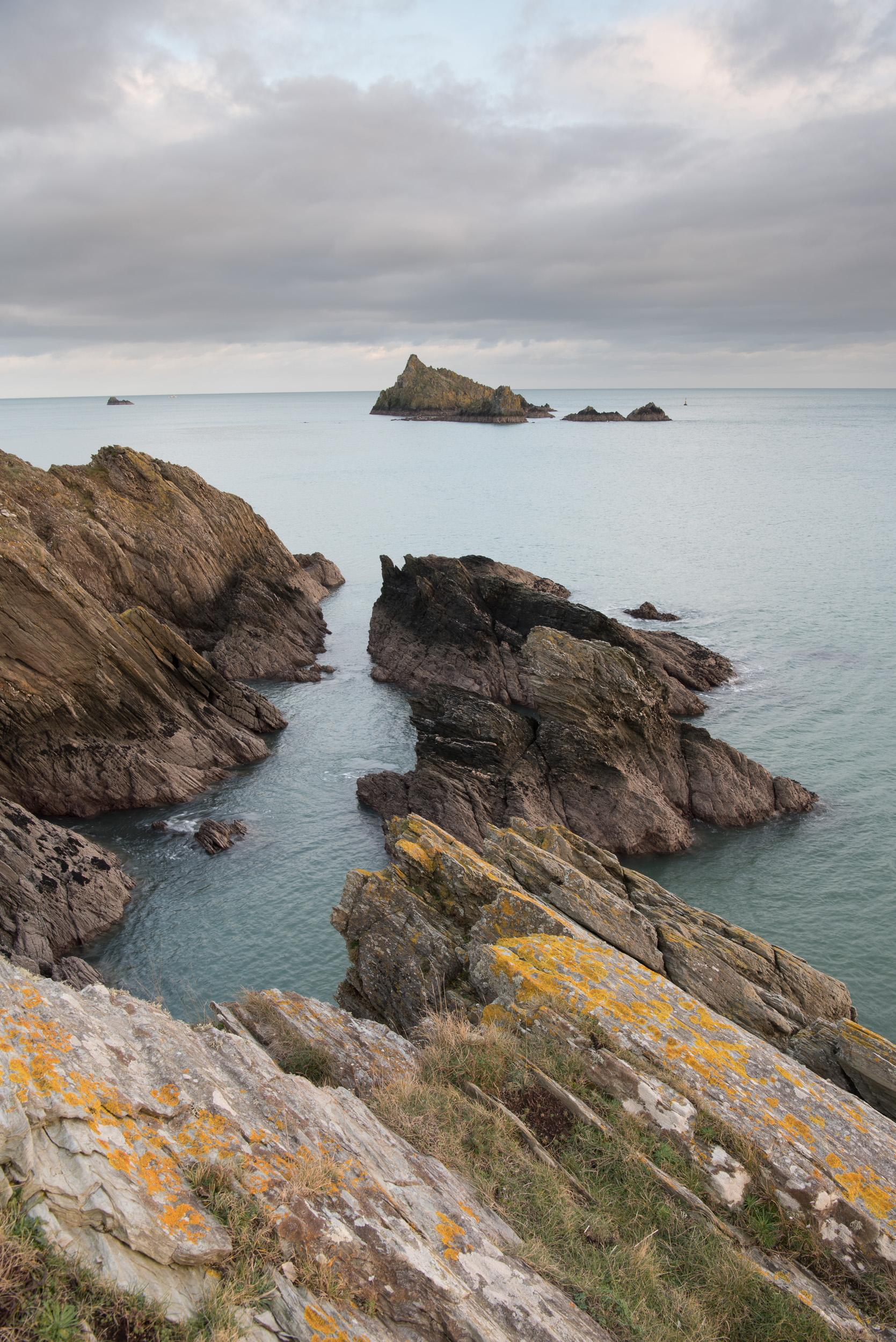
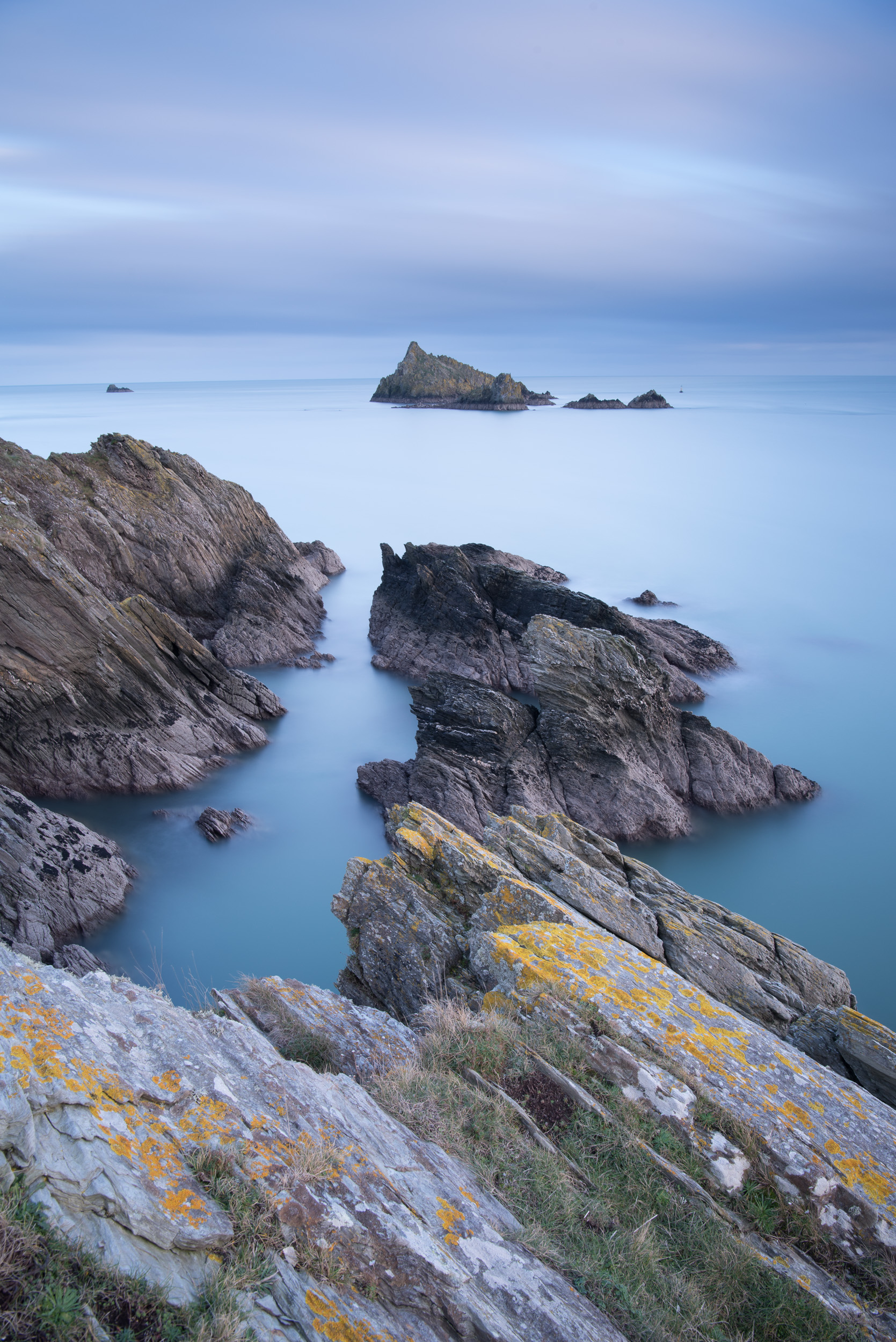
Once processed the final image looks like this:
Final image. Nikon D750, Nikkor 24-70mm f/2.8 VR @ 28mm, f/13, 202 seconds, ISO 100, Lee Filters ND 0.6 (2 stop) graduated filter, Lee Filters Big Stopper (10 stop ND), cable release.
I hope the reading about my process for using ND filters has been useful. Do you follow the follow the same process? Do you do things a little differently? Are ND filters part of your creative workflow? Are you considering getting some ND filters? Please let me know in the comments below.

My Favourite / Top 5 / Best Landscape Photography Locations in Devon
In this special blog post and video I take you on a mini tour of my 5 favourite landscape photography locations in Devon.
A Personal Selection
As a landscape photographer living in Devon I am spoilt for choice when it comes to shooting locations. I have access to Dartmoor National Park, large areas of the South West Coast Path, and everything in between. I shouldn't really ever run out of places to shoot.
Even though I have all this variety I can't help but have a few favourite locations. So in this video I'm going to take you on a mini tour of my five favourite locations to shoot landscapes in Devon. I've chosen a mixture of coastal and inland locations as well as choosing to shoot at dawn and dusk. Some shoots were more successful than others but I'm hoping the video will give you some ideas and inspire you to visit and photograph those locations yourself.
So why not check out the video below and let me take you on a tour of Devon...
If you need a little more information on the locations I have visited or just want to see the images in a bit more detail then please do read on!
Dawlish Warren
The groynes along the beach at Dawlish Warren offer some great lines for your composition. Long exposures often work well at this location as well, especially in poor light.
Don't forget to shoot the beach huts.
Venford Falls
Venford Falls as shot on the video. A polariser is very handy to control the reflections.
Spring is my favourite time to visit as all the moss is at its best.
Emsworthy
Both the rocks and the tree are great elements to include in your composition. This location is good to shoot at both dawn and dusk.
Turn 90 degrees and you'll find a few other compositions to shoot.
Froward Point
Shooting at sunset will typically provide the best light but what ever time you visit please be careful on the rocks!


If you've got good light shoot Daymark Tower as well.
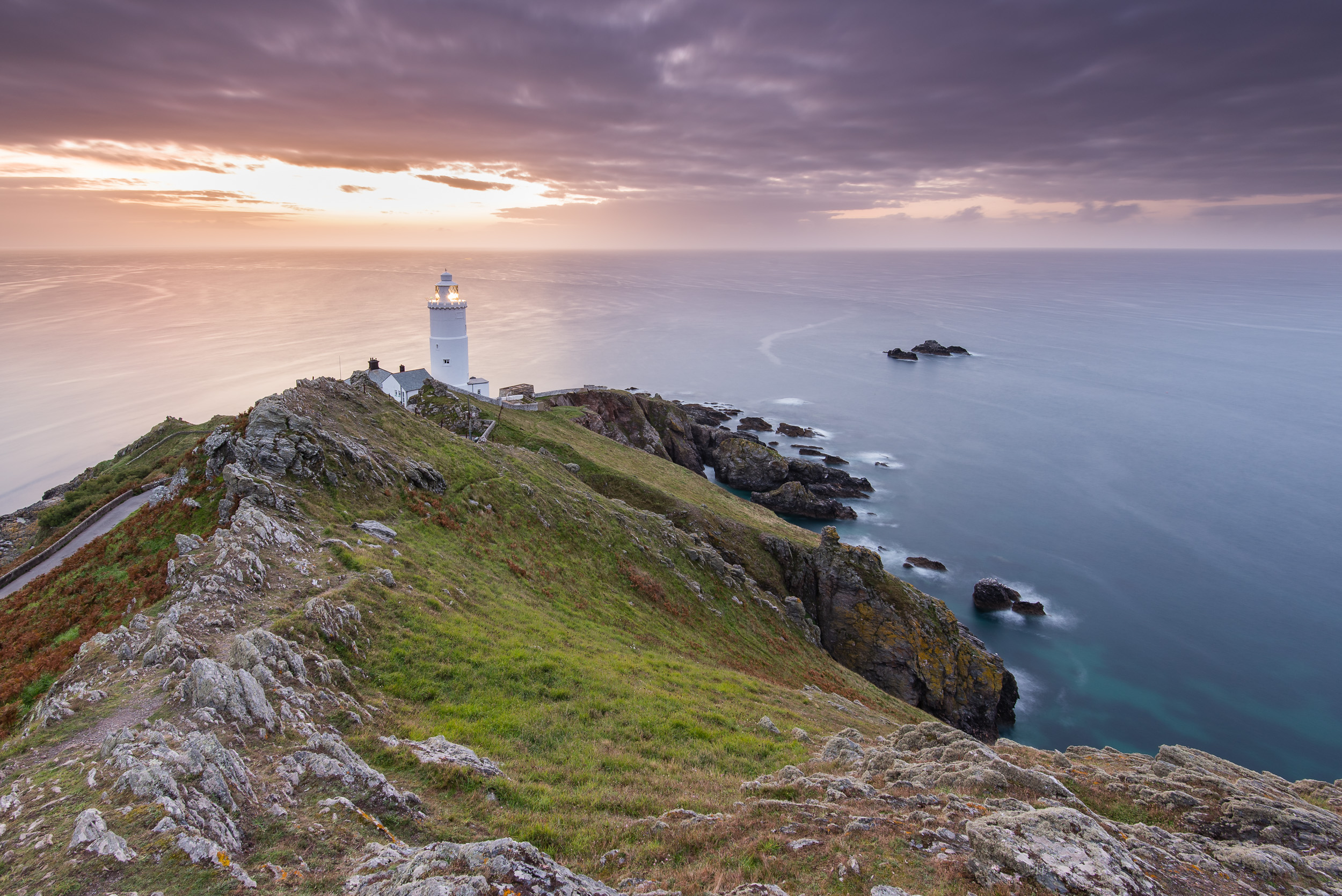
Start Point
The classic Start Point composition. Shame about the weather!
Sometimes it pays to hang around a little longer. There is just a splash of colour in the sky in this image.



In Summary
Hopefully this video and blog post has given you a little inspiration to not only shoot these locations, but also the wider Devon. It really is a fantastic part of the country with huge variety in locations and conditions.
So what are you favourite locations either in Devon or further afield? Did you find this video useful or inspiring? Is there a location in Devon or the south west that you recommend I visit? As always let me know if the comments, and remember to like and share this post! See you next time.