
My Field Guide to Using ND Filters
In this blog post and video I take you out on a shoot to Froward Point in South Devon to take you through my workflow when using Neutral Density (ND Filters). It doesn't matter what strength of ND filter or even who makes it, my process is the same. Read the blog post and watch the video to find out more!
Control
Modern cameras are wonderful and amazing bits of technology. They allow us to turn our creative visions into beautiful images that we can connect with. We have a lot of control. We can change shutter speed, aperture, focus, ISO, and position, all with the aim of capturing that moment. One thing we can't control is mother nature and so sometimes we need a little extra help "control the light".
This image required an exposure time of 72 seconds. Generally speaking it would not have been possible to get an exposure of this length without an ND filter.
This is where filters come in. Now, there are such a dizzying array of filters available it would be slightly foolish of me to try and cover them all here, so I'm going to concentrate on the use of ND (Neutral Density) filters or to be more specific how I use ND filters.
Though I use ND filters in my landscape work, it is probably in my seascape work that I will use them the most. They allow me to creatively control how the water looks in the image. It could be that I want to lengthen the exposure to 1 or 2 seconds to show the path of a wave, or even 3 or 4 minutes to smooth out the texture of a choppy sea. Sometimes you just can't get exposures times like that just with the camera alone.
The Process
I have a range of ND filters in my bag, all made my Lee Filters (my filter manufacturer of choice). I have a 3 stop, 6 stop (Little Stopper), 10 stop (Big Stopper), and 15 stop (Super Stopper). The Super Stopper is a recent addition to my kit bag and you can read how I got on with it on my first trip out with it here.
No matter which ND filter I use, the setup and execution process I go through is the same. To show you what my process is I've created in this field guide video which takes you through my process while out on a shoot.
To recap from my video the process I follow is:
Composition - first things first, I need to have a composition. Get this right first!
Base image - take a shot with no filters. Check composition again, image sharpness and exposure. If needed adjust, shoot and check again.
Add other filters - if needed, add ND graduated filters or a polariser. Shoot the image again and do all the same checks.
Add ND filter - finally, add ND filter of choice and take the image. Do all the same checks again.

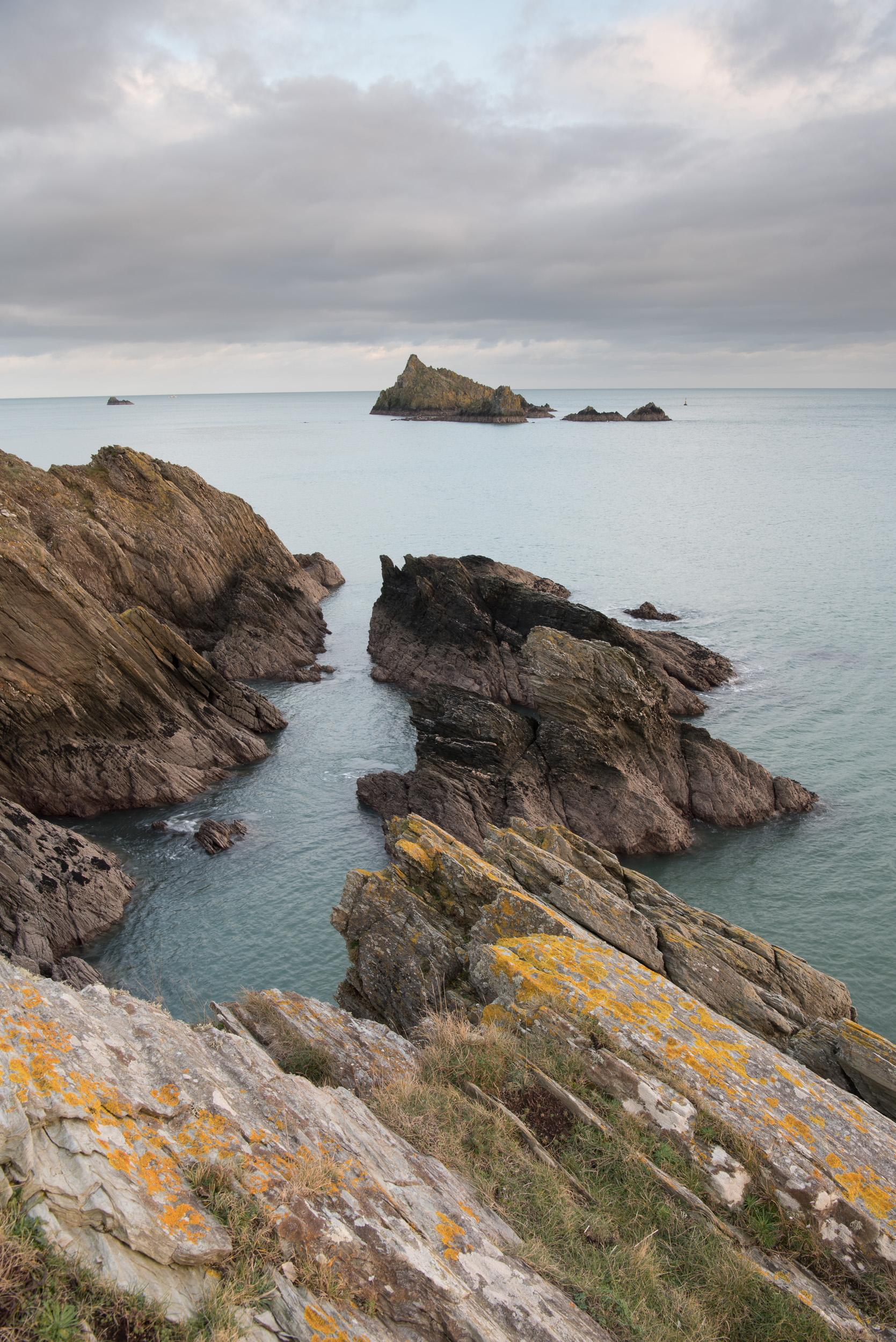
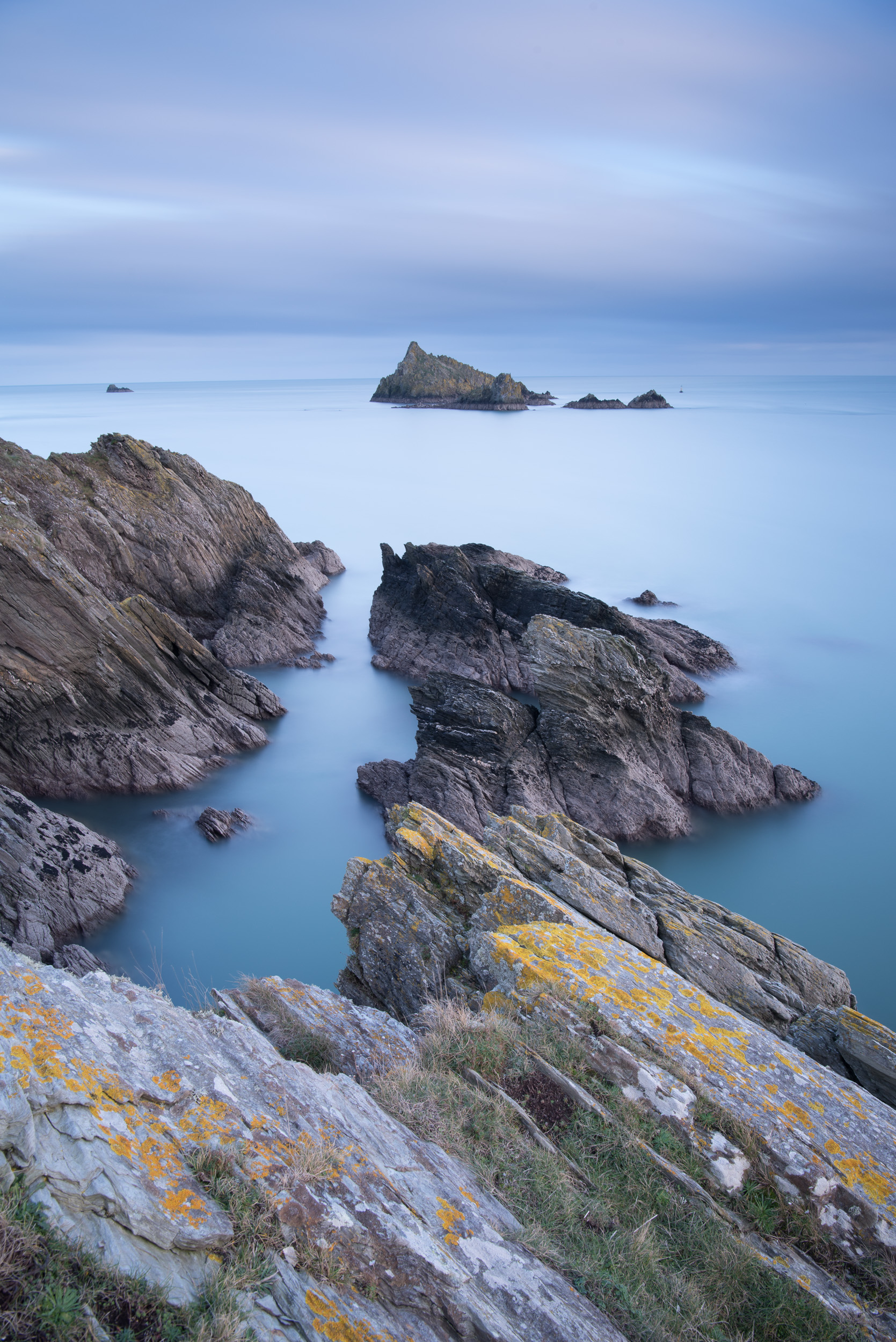
Once processed the final image looks like this:
Final image. Nikon D750, Nikkor 24-70mm f/2.8 VR @ 28mm, f/13, 202 seconds, ISO 100, Lee Filters ND 0.6 (2 stop) graduated filter, Lee Filters Big Stopper (10 stop ND), cable release.
I hope the reading about my process for using ND filters has been useful. Do you follow the follow the same process? Do you do things a little differently? Are ND filters part of your creative workflow? Are you considering getting some ND filters? Please let me know in the comments below.
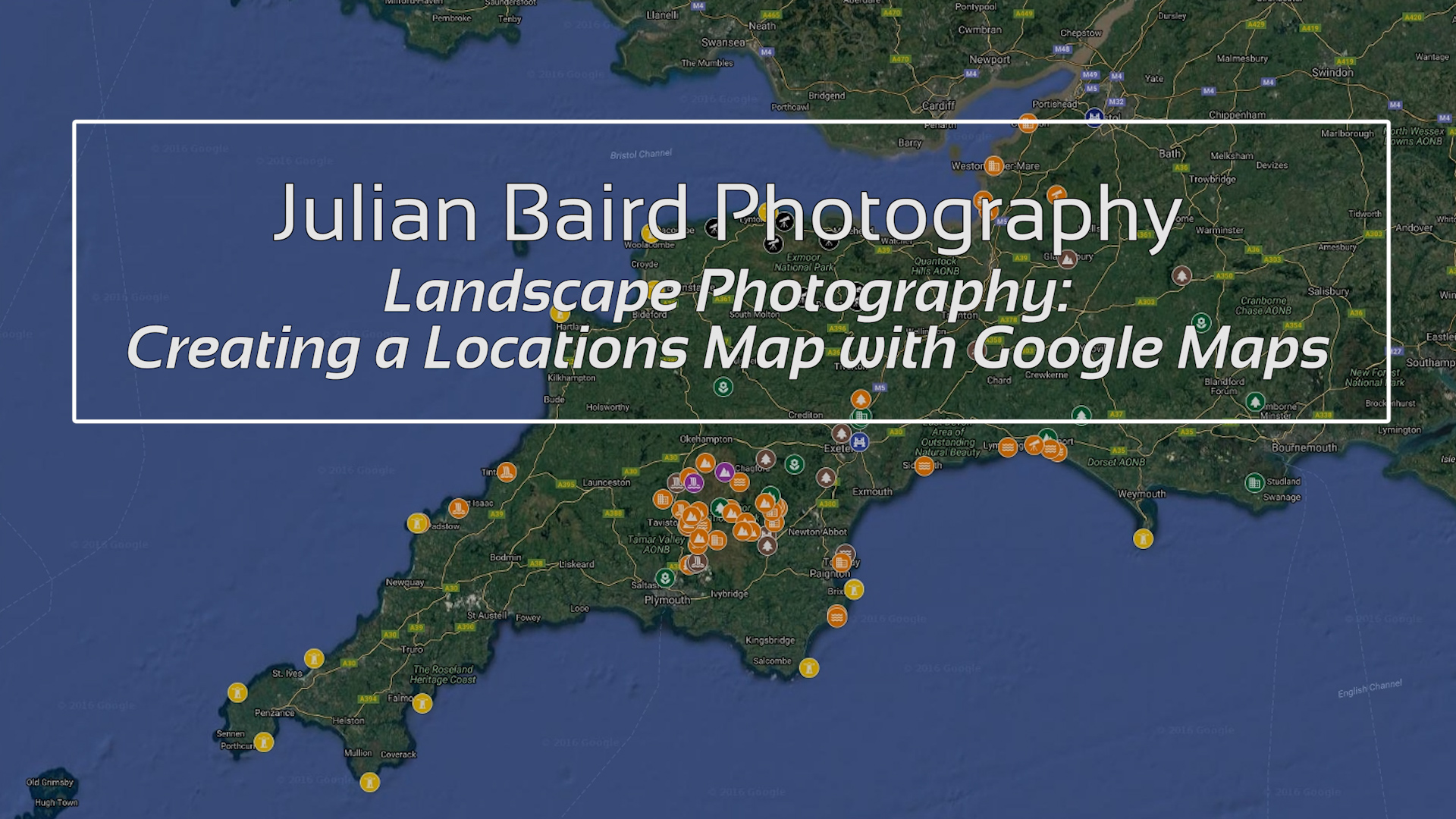
Creating a Locations Map with Google Maps
In this video I take you through process of creating your own custom Google map so you can record, track and visualise your landscape photography locations
Location Planning
Back in September I posted a blog article on planning for a landscape shoot. In the blog post and associated YouTube video I talked about a number of planning tools that I use for weather, tides, sunset / sunset timings etc. However, it was my use of a custom Google Map to record locations that I have either visited or plan to visit that seems to have generated the most interest from my readers / viewers.
Using Google Maps
Given the level interest I thought I'd produce a brief tutorial to tell you how to create your own map. So in this video I take you through the steps of:
Creating a map
Adding locations
Using colours, icons, and layers
Modifying locations with comments
Accessing your maps on a mobile device
I find it a really useful tool and I'm sure you will to. Check out the video below:
Hopefully you found this video useful. If so, please do subscribe to my YouTube channel! Don't worry if you don't, I always post a blog article here with the video embedded so you won't miss out.
Do you use Google Maps for any of your location planning? Do you have any tools that you recommend? If so, please let me know in the comments.

My YouTube Channel - Update #1 for 2017
I haven't posted a new video to my YouTube channel in a while so I wanted to give you a quick update on where I am with the channel and my plans for 2017!
Happy New Year!
Firstly Happy New Year to you all. I started this blog back in August 2016, and since then I've managed to maintain my goal of a new post every week. It's hard work but it also encourages me to get out there with my camera more often which is rarely a bad thing!
I've also received plenty of positive feedback and will continue to deliver new blog posts and content throughout 2017. I've got plenty of ideas for new posts but I just need the British weather to be a bit more cooperative! These winter months can be very restrictive.
My YouTube Channel
If you are a regular reader of my blog you will already know I've also got a YouTube channel. In 2016 I created the following videos:
It's been a couple of months since I last post a video on the channel, but it is far from abandoned! Unfortunately, as is always the case with landscape photography in the UK, the weather has made it difficult to execute some of the video ideas I have.
Not to worry, I have rolled those ideas into my 2017 content plan and with any luck, I'll be back juggling cameras in the field again very soon. I've posted a quick update video to my channel to keep my subscribers up to date but here it is for my blog readers.
If you aren't already a subscriber or viewer why not check out my YouTube channel and even better why not subscribe. Don't worry if you don't, I always post a blog article here with the video embedded so you won't miss out.
Is there anything you'd like to see from my YouTube channel? If so I'd love to hear about it in the comments below.
Till next time!

My Favourite / Top 5 / Best Landscape Photography Locations in Devon
In this special blog post and video I take you on a mini tour of my 5 favourite landscape photography locations in Devon.
A Personal Selection
As a landscape photographer living in Devon I am spoilt for choice when it comes to shooting locations. I have access to Dartmoor National Park, large areas of the South West Coast Path, and everything in between. I shouldn't really ever run out of places to shoot.
Even though I have all this variety I can't help but have a few favourite locations. So in this video I'm going to take you on a mini tour of my five favourite locations to shoot landscapes in Devon. I've chosen a mixture of coastal and inland locations as well as choosing to shoot at dawn and dusk. Some shoots were more successful than others but I'm hoping the video will give you some ideas and inspire you to visit and photograph those locations yourself.
So why not check out the video below and let me take you on a tour of Devon...
If you need a little more information on the locations I have visited or just want to see the images in a bit more detail then please do read on!
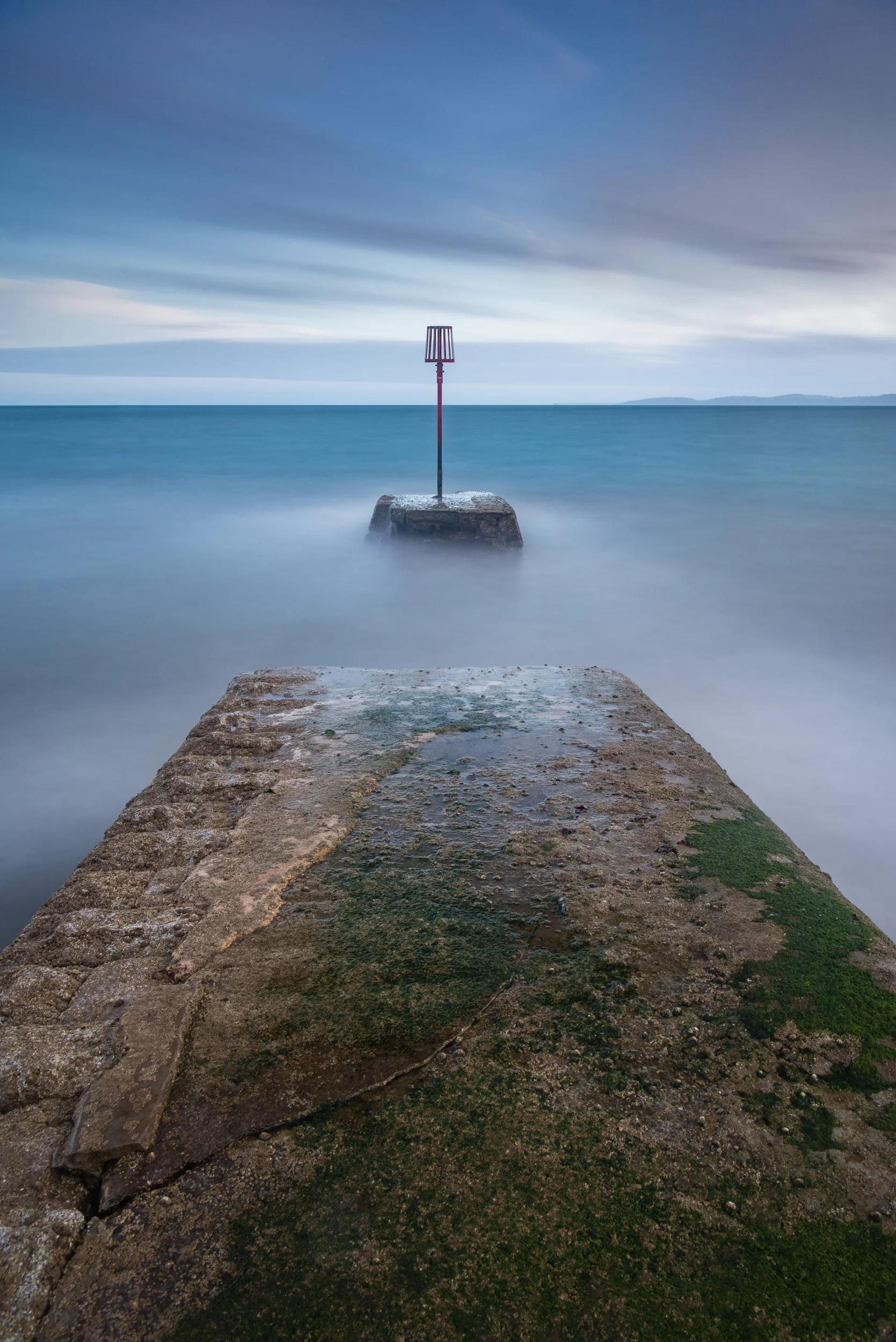
Dawlish Warren
The groynes along the beach at Dawlish Warren offer some great lines for your composition. Long exposures often work well at this location as well, especially in poor light.
Don't forget to shoot the beach huts.
Venford Falls
Venford Falls as shot on the video. A polariser is very handy to control the reflections.
Spring is my favourite time to visit as all the moss is at its best.
Emsworthy
Both the rocks and the tree are great elements to include in your composition. This location is good to shoot at both dawn and dusk.
Turn 90 degrees and you'll find a few other compositions to shoot.
Froward Point
Shooting at sunset will typically provide the best light but what ever time you visit please be careful on the rocks!


If you've got good light shoot Daymark Tower as well.
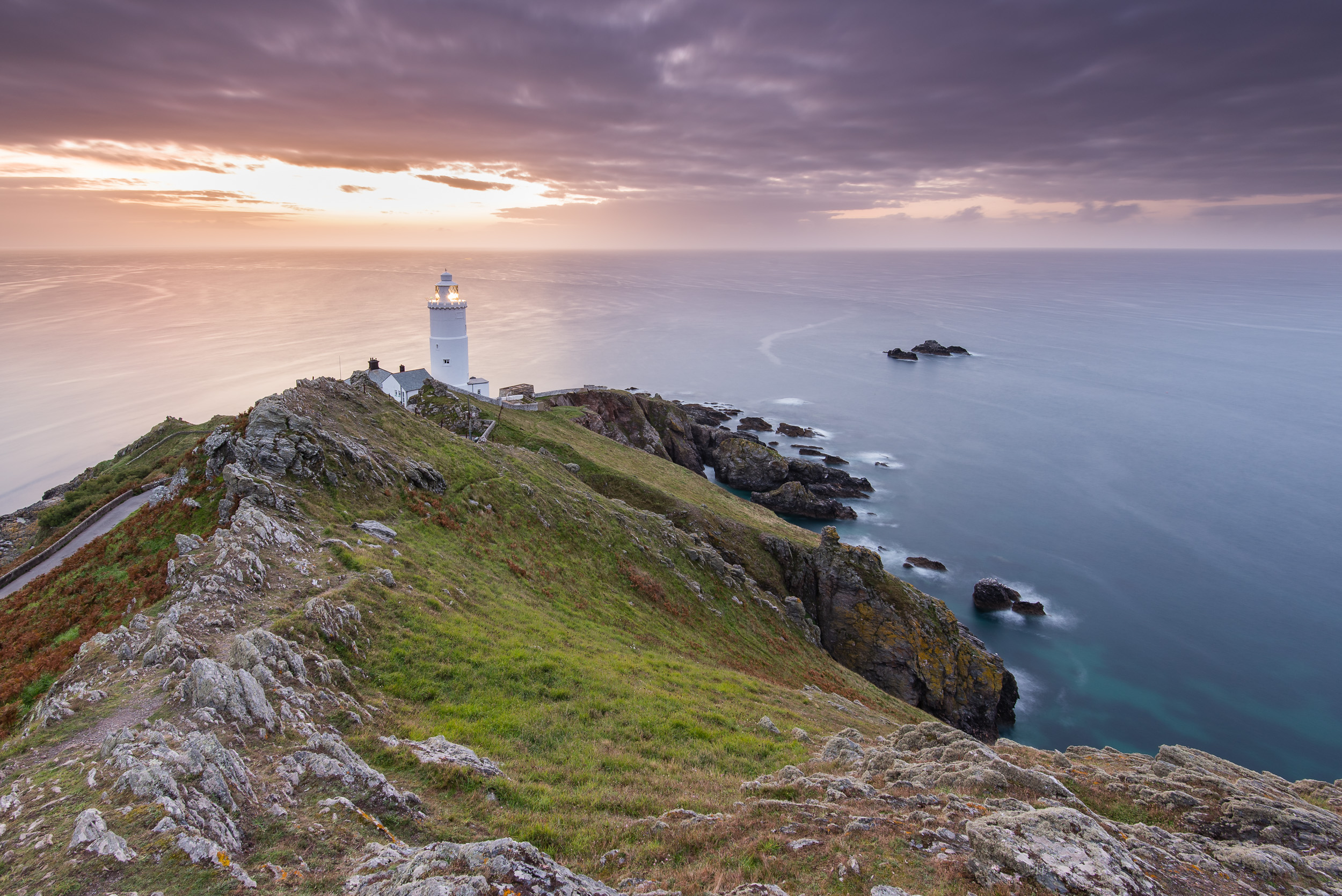
Start Point
The classic Start Point composition. Shame about the weather!
Sometimes it pays to hang around a little longer. There is just a splash of colour in the sky in this image.



In Summary
Hopefully this video and blog post has given you a little inspiration to not only shoot these locations, but also the wider Devon. It really is a fantastic part of the country with huge variety in locations and conditions.
So what are you favourite locations either in Devon or further afield? Did you find this video useful or inspiring? Is there a location in Devon or the south west that you recommend I visit? As always let me know if the comments, and remember to like and share this post! See you next time.
Planning a Landscape Shoot at Dawlish Warren
In this video blog post I show you some of the planning tools I use to help increase the chances of a succesfull trip out with the camera. After that I take you on a trip to shoot seascapes at Dawlish Warren to see if all the planning was worth it!
Plan, Plan, Plan
I like a plan. Plans are good. Plans don't always go to plan, but I like having one none the less. As a private pilot I definitely like to have a plan when I head out to the skies. And though photography is arguably less risky than flying I still want my trips out with the camera to be worthwhile and successful. After all, there is no point in heading out for sunrise only to arrive at your location as the sun comes up. This has happened to me before and trust me, after the hour and half it took me to get there it was a painful lesson.
So to prevent missed sunrises, badly timed tides, and gale force winds, I like to plan my shoots so I can maximise my chances of success. In this video I will use:
These are the tools I use the most and I've found them to be very effective and accurate in the past. So let's see them in action along with my shoot down at Dawlish Warren beach:
Success
As you can see from the video, I had a successful trip and I've come away with an image I was very happy with. By checking out what the conditions were going to be like before I headed out I could be reasonably confident that my image would meet my vision for that location.
Not as calm as it looks. Nikon D750, Nikon 24-70 f/2.8 VR, 195 secs at f/11, Lee Filters ND Grad, Polariser, and Big Stopper. Processed in Lightroom CC.
Audio Quality
As I mentioned in the video, though the photography went well I had a few problems with the video. When I had the camera facing into the wind I lost all the audio of my voice over the wind noise so I had to ditch a lot of the clips. Being a landscape photographer this won't be the last time I will have to deal with this issue so I have purchased a Rode smartLav+ external mic (and some added furs for extra noise reduction). Though I will have to sync up the audio in post using Premiere Pro CC (my Sony RX100 M4 doesn't have a mic input), the improvement in audio quality will be worth it. So expect to hear my dulcet tones much improved in the next video!
Do you plan?
So do you plan your trips out with the camera? Or do you chuck the camera in the car and go for it? Let me know in the comments. And if you have a couple of minutes please like and share this blog post. Till next time....
Location Scouting in the Teign Valley
In this video blog post I head out to Fingle Bridge and the Teign valley to scout out some locations for an autumn themed shoot.
The Importance of Scouting
The time I spend with the camera is precious. I have a full time job and a family that keeps me really busy so when I do get out I like to make the most of it. Sometimes I just go out to practice with my camera (see my blog post on practicing) or I'll go out to scout out a location. For me scouting out a location can be a really good use of time. For locations such as the upper Teign valley near Fingle Bridge in Devon, having a number of spots already picked out means that when the golden hour comes I'm only worrying about composition and not finding a good location.
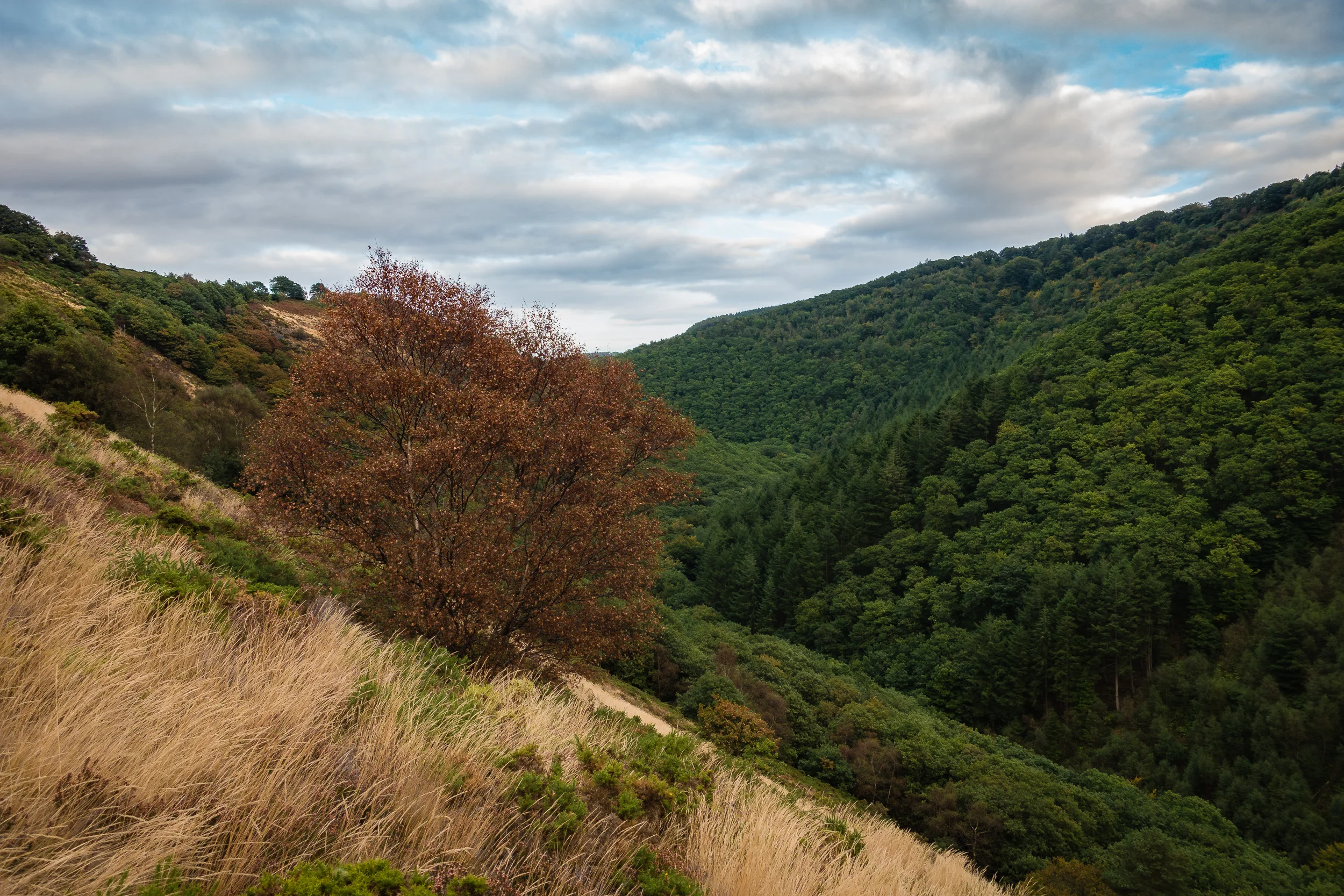
In this short video I take you on a recent trip to the upper Teign Valley where I spend some time walking the path looking for locations that I can use for some autumnal shots that I want to take there. I'm travelling light with my Sony RX100M4 and a Manfrotto BeFree Carbon tripod but it allows me to quickly take shots from locations as I move along the valley.
Here's the video:
Mission Successful?
Here are the images that I took from the locations I scouted:


Now I'll be the first to admit that these aren't award winning images. The composition was setup up quickly and the light not exactly at its best but it does give me some really good ideas on where I want to shoot when I do go up there when the autumnal colours are in there full glory.
I also originally had this location down as a sunrise only location but because of this scouting exercise I'm fairly sure I could get images at either end of the day. So was it worth while? Well yes. Anytime with the camera is good but I feel more prepared to shoot this particular location now.
Do You Scout?
Do you spend time scouting out the locations you want to shoot? Or do you just turn up and see what takes your eye? Let me know in the comments.

Starting Out With Drone Photography
In this video blog post I decide to leave my Nikon D750 behind and spend the evening shooting photographs with my DJI Phantom 3 4K. You'll see me head out to the south Devon coast to Peak Hill near Sidmouth on the South West Coast Path where I will experiment with using a drone for landscape photography. The results are rather interesting!
A Evening with DJI
Since buying a DJI Phantom 3 4K a couple of months ago I've been really interested in the photography capabilities and opportunities this amazing bit of kit delivers. In my first video / vlog I leave my DSLR at home and head out to spend the evening shooting with the drone.
Check it out below.
The Results
If you watched the video you would have seen the final images, but just in case you missed them or you want to see them a little larger (by clicking on them), here they are again.


Let Me Know
Did you enjoy this video? Do you have a drone? Has it expanded your photography horizons? Let me know in the comments below.