
Five Things to Look for in a Photography Tutor on Dartmoor
What Are Your Goals?
Before you start searching for a photography tutor, stop for a moment and ask yourself two simple questions.
What are your goals?
Do you know why you want a photography tutor?
Are you hoping to finally feel confident shooting in manual mode? Do you want to understand filters properly? Are you drawn to the wild beauty of Dartmoor but struggle to capture it in a way that reflects what you felt at the time?
Clarity Matters
Some photographers want structured technical guidance. Others want creative direction. Many want both. When you understand why you are seeking tuition, you are far more likely to choose someone who can genuinely help you move forward.
With that in mind, here are five things to look for in a photography tutor, especially if you are considering Dartmoor photography tuition.
Great Links Tor - understanding the surrounding topography and direction of light helped increase the chances of capturing a strong image of this challenging location.
1. Does Their Photography Style Match Your Aspirations?
Before you look at qualifications, teaching experience, or price, spend time studying your potential tutor’s photography. Ask yourself the question:
When you look at their images, do you think, that is a photograph I would be proud to take?
A strong portfolio is not just about technical perfection. It is about connection. The images should resonate with you and reflect the kind of photographer you want to become.
There is little value in hiring someone who specialises in seascapes, abstract camera movement, or wildlife if your goal is to create compelling landscape images on Dartmoor. It doesn’t matter how accomplished they are within their own genre. If their work does not align with your aspirations, the teaching may not either.
Look for consistency.
Look for a body of work that demonstrates:
The type of images you want to create
Strong composition and technical control
An understanding of the landscape you care about
If their photographs make you think, I would love to create something like that, you are likely looking at someone whose style aligns with your goals.
The right tutor is not simply a good photographer. They are a photographer whose work reflects where you want to go.
Bowerman’s Nose - colour, light, contrast, and texture all play a key role in creating a compelling Dartmoor image.
2. Deep Local Knowledge of Dartmoor
If you want to photograph Dartmoor well, it helps enormously to learn from someone who truly understands it.
Dartmoor is not just open moorland. It is a landscape shaped by granite, time, and human history. Its tors are formed by ancient geological processes. Its rivers are Dartmoor’s lifeblood, and the woodlands are its heart. Its stone rows, circles, and clapper bridges speak of Bronze Age communities and centuries of farming life.
A tutor with strong local knowledge understands these characteristics and uses them to shape their photographs rather than simply record them.
They should understand:
How granite tors catch and reflect light at different times of day
How the shape of the land influences composition
Where rivers create natural leading lines
How historic features can add depth and context
How seasonal changes affect colour and texture
Just as importantly, they should know how to adapt technique to suit Dartmoor’s distinctive landscape.
Using composition to emphasise structure.
Selecting focal lengths that balance open space with strong foreground interest.
Managing contrast between bright skies and dark stone.
Using shutter speed thoughtfully to control movement in water.
Dartmoor rewards patience and understanding. A tutor who understands its geology and history can help you move beyond simply taking photographs of the moor and begin creating images that feel rooted in it.
Client feedback -
“Julian through his extensive knowledge of the area was able to divert us off to some great locations as and when the variable weather conditions dictated.”
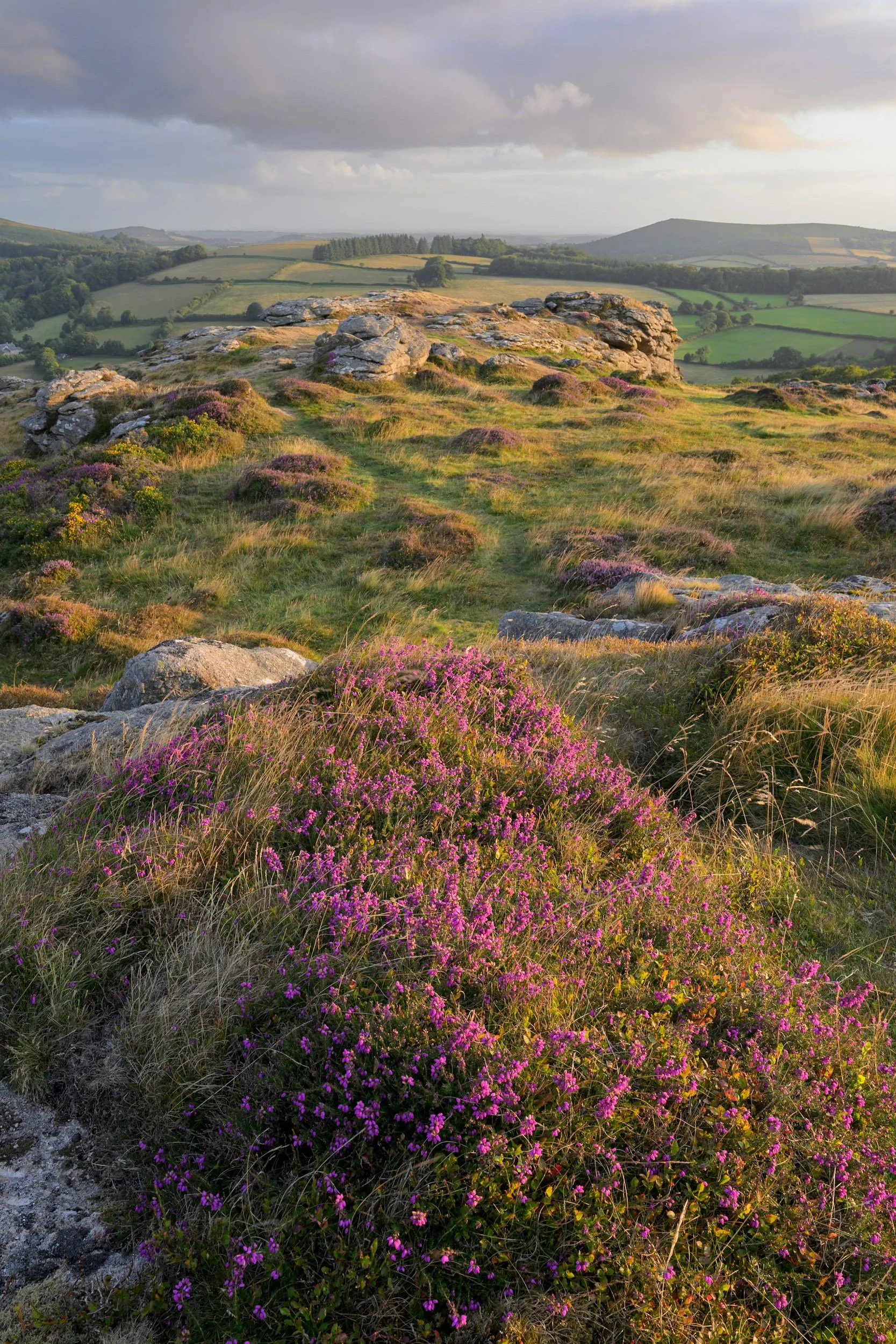
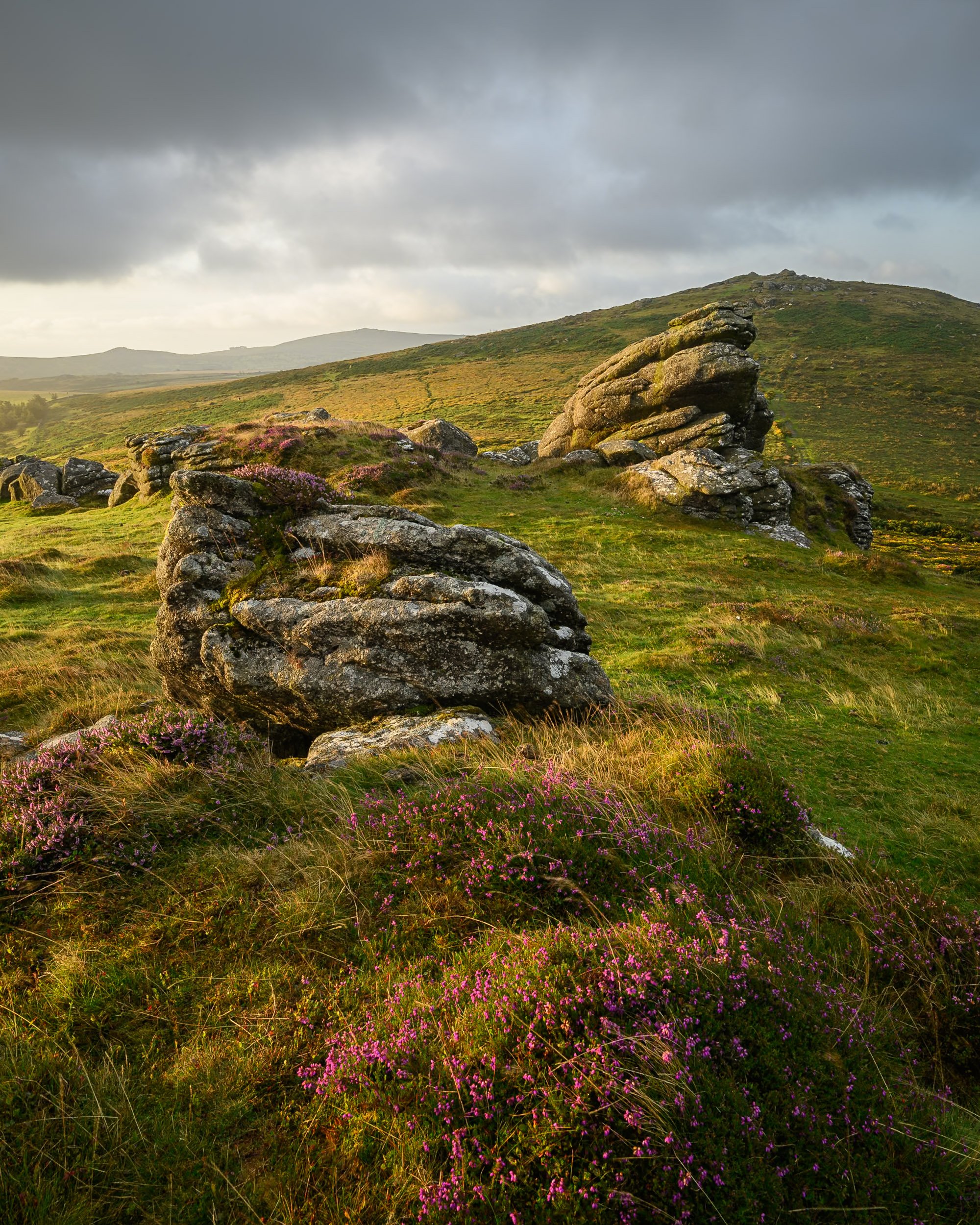
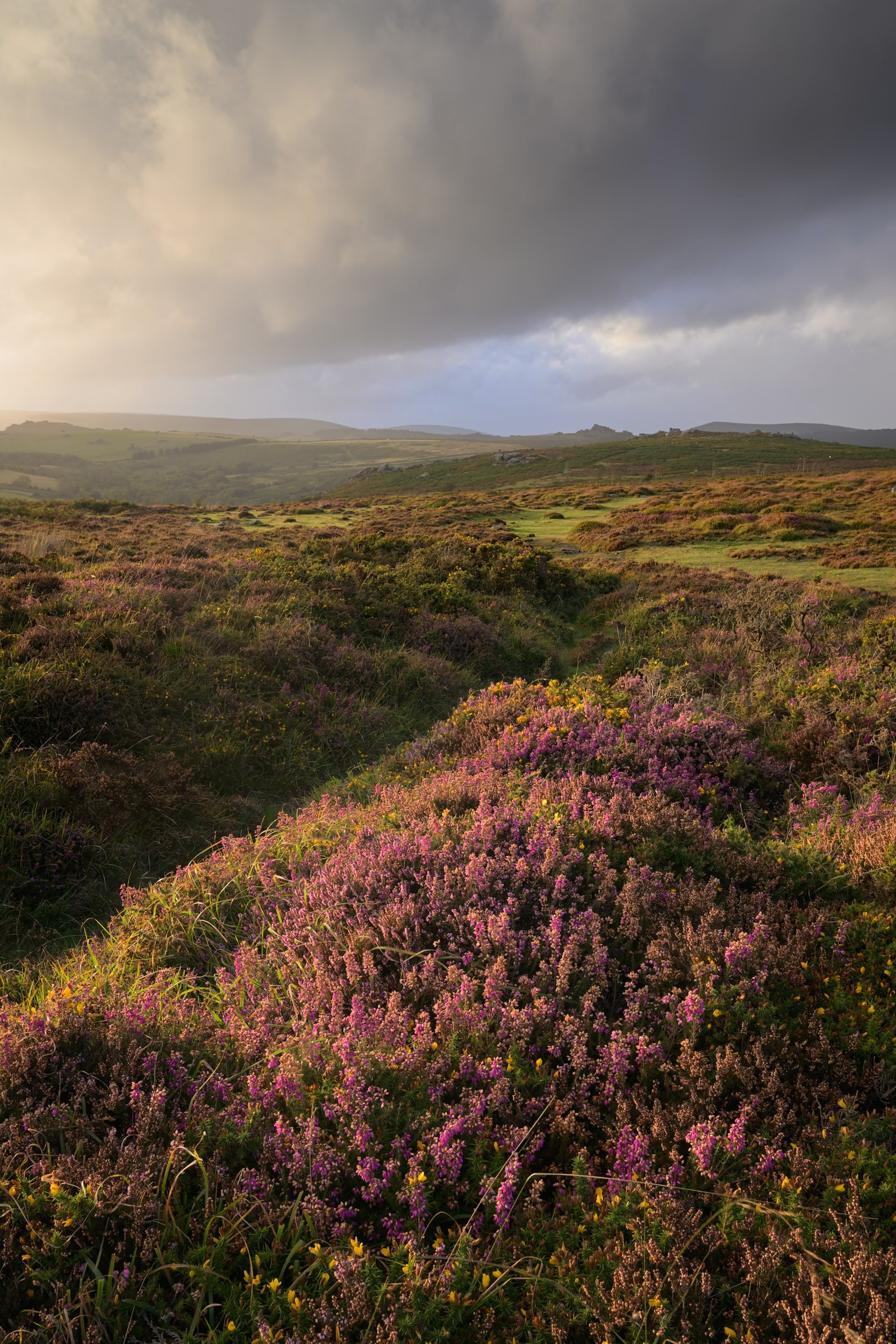
Heather Season on Dartmoor - knowing where to go and when is a key skill, especially when photographing one of the Dartmoor’s seasonal highlights..
3. Passion for Teaching and a Supportive Approach
A great photographer does not automatically make a great tutor.
Technical skill and a strong portfolio are important, but teaching is a separate skill. It requires patience, generosity, and a genuine desire to see others improve.
So ask yourself:
Do they seem passionate about teaching, or only about their own images?
Are they open about their process?
Will they share what they know freely?
Will they take you to the strongest locations, or keep the best spots to themselves?
A tutor who truly enjoys teaching wants you to succeed. They do not guard techniques or workflows. They take pride in seeing you create images you are proud of.
A supportive tutor creates an environment where:
Questions are welcomed
Mistakes are part of the learning process
Feedback is constructive and specific
Confidence grows naturally
An easy going manner is not about being casual. It is about helping you feel comfortable enough to stretch yourself. Passion for teaching makes a significant difference.
See how how I approach 1 to 1 photography tuition, from understanding your goals to helping you develop your own photography.
Client feedback -
“Julian’s kind and warmhearted approach to photography tuition just hits the spot.”
“He tailored the day to my needs and physical abilities as well as my request to help with a particular technique that I was struggling with.”
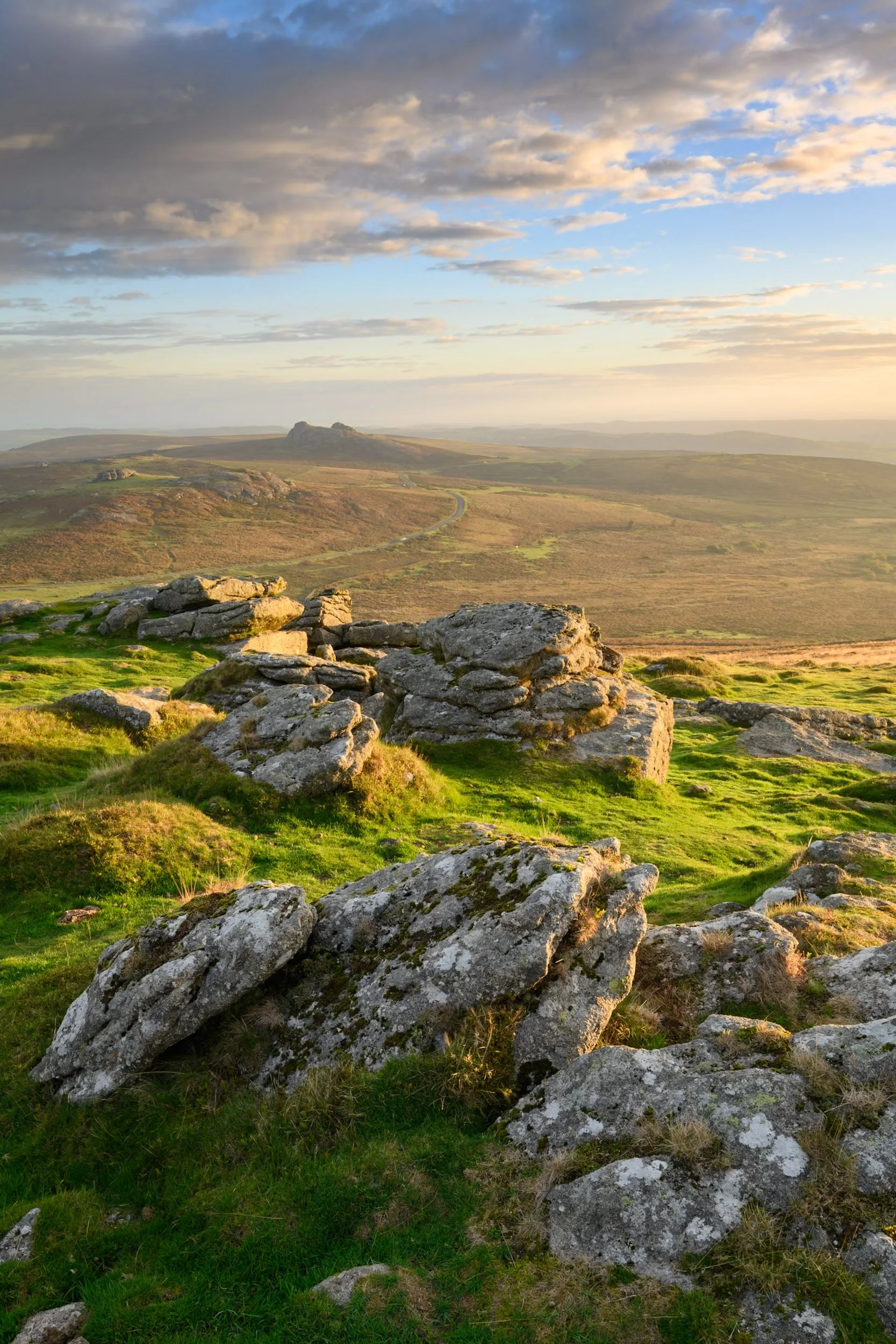
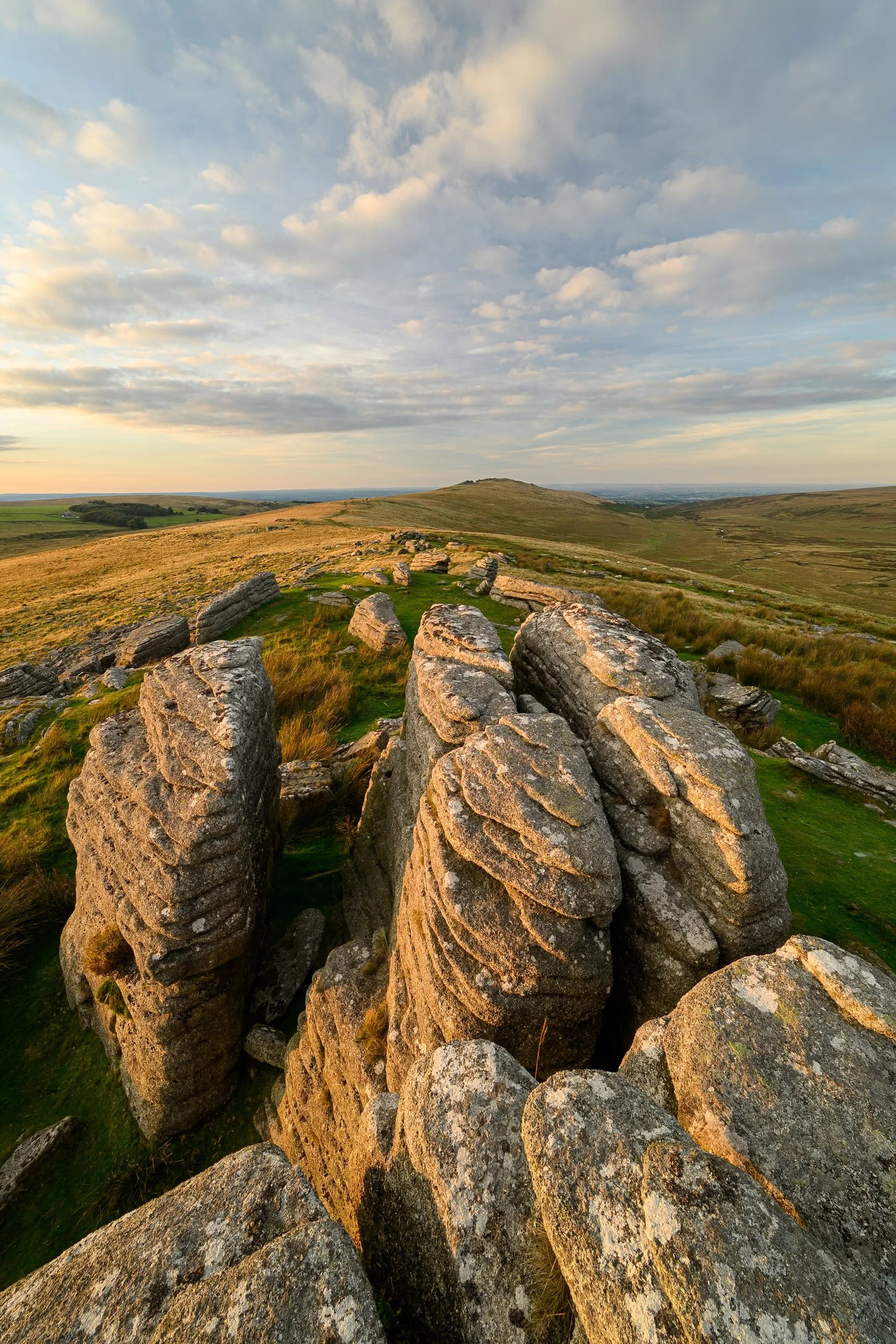
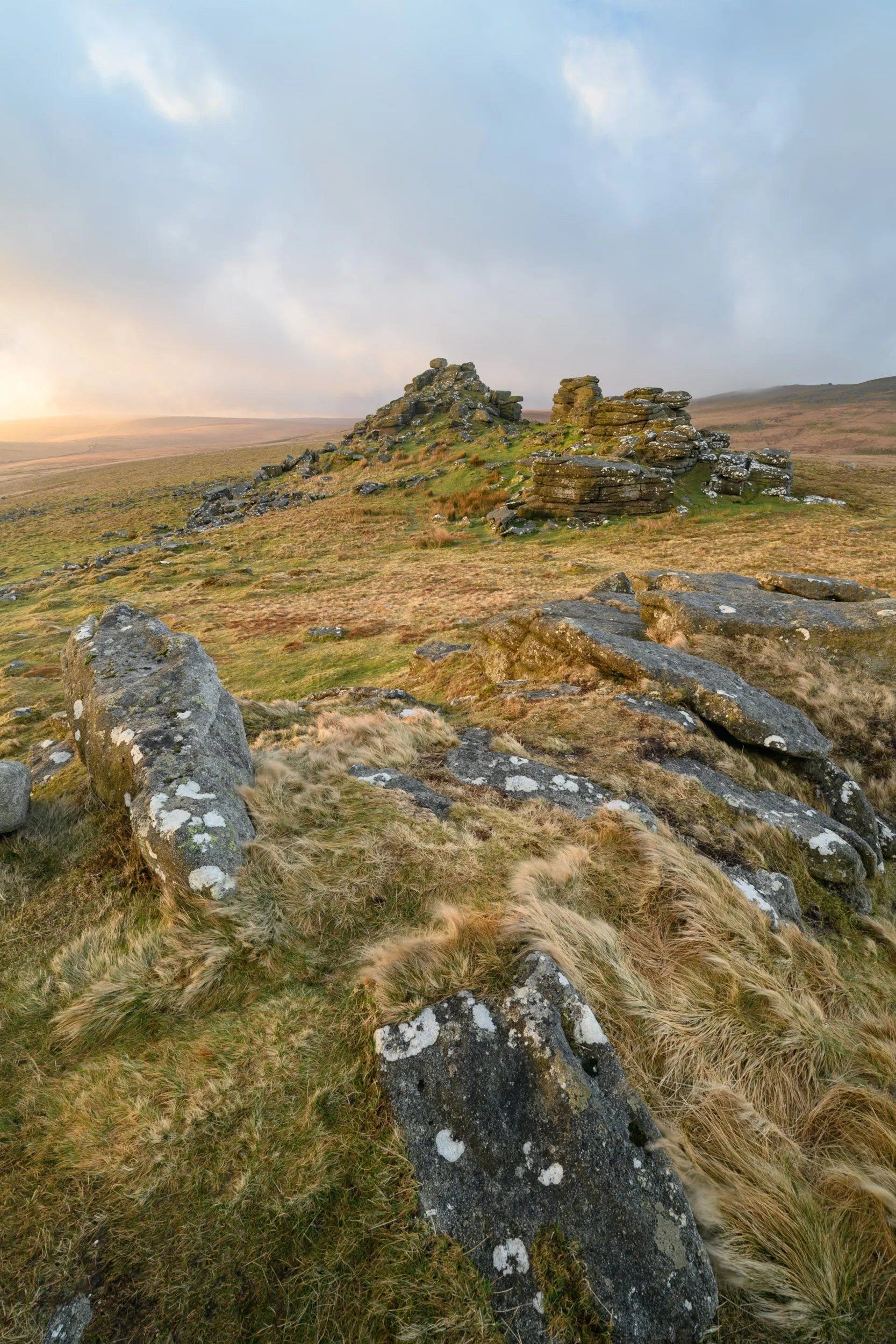
Composing images on Dartmoor can feel challenging at first, but a simple, structured approach can help you create more dramatic photographs.
4. Look for Evidence of Clear and Structured Teaching
You may not know how someone teaches until you spend time with them. But you can often see signs of it in advance. A photographer who can turn knowledge into results usually demonstrates it publicly.
Look for evidence such as:
Blog posts that explain not just what was photographed, but how and why
Videos that clearly break down settings and decisions
Testimonials that mention improved understanding and confidence
Workshop descriptions that outline what you will learn, not just where you will go
Language that focuses on progress and development
Clear explanation is a skill in itself.
If a tutor regularly talks about why they chose a particular composition on Dartmoor, how they managed exposure in high contrast conditions, or how they approach depth of field and focal length, they are showing you how they think.
You are looking for structure as well as enthusiasm. Good tuition should have progression. You should be able to see that they understand how to move someone from uncertainty to clarity, step by step.
Before booking one to one tuition or a workshop, spend time reading, watching, and listening. The way a tutor shares knowledge publicly often reflects how they teach privately.
Learn how I you can create stunning photographs of Dartmoor (or anywhere) in this educational series of videos.
Client feedback -
“I’m now looking at composition and my camera settings in a much better way thanks to his input and teaching.”
“It’s amazing how much you can gain just by having a fresh pair of eyes take a look through your viewfinder!”
Birch Tor - anticipating the light and how it shapes contrast in the landscape is just as important as finding strong leading lines.
5. Depth of Experience and Consistency
There is a difference between knowing a place and having a long relationship with it.
Dartmoor changes with the seasons and the light. Understanding those shifts does not happen in a handful of visits. It comes from returning again and again, across years, in different conditions, and with a steady commitment to learning the landscape.
When considering a photography tutor, look for depth rather than novelty.
Do they regularly photograph the landscape you want to learn?
Do they show consistency across seasons and conditions?
Do their images demonstrate judgement as well as technique?
Experience builds instinct. It shapes decisions about where to stand, when to wait, when to adjust, and when to accept that the conditions are not right.
It also brings professionalism. A tutor who knows the terrain understands timing, access, and safety. That calm presence allows you to focus on learning rather than logistics.
Over time, consistency matters more than one or two standout images. You are looking for someone who demonstrates a sustained connection to the landscape and a steady standard of work.
Because ultimately, choosing a photography tutor is about trust.
Client feedback -
“He has a wealth of knowledge regarding technical matters, composition and importantly, the landscape in general.”
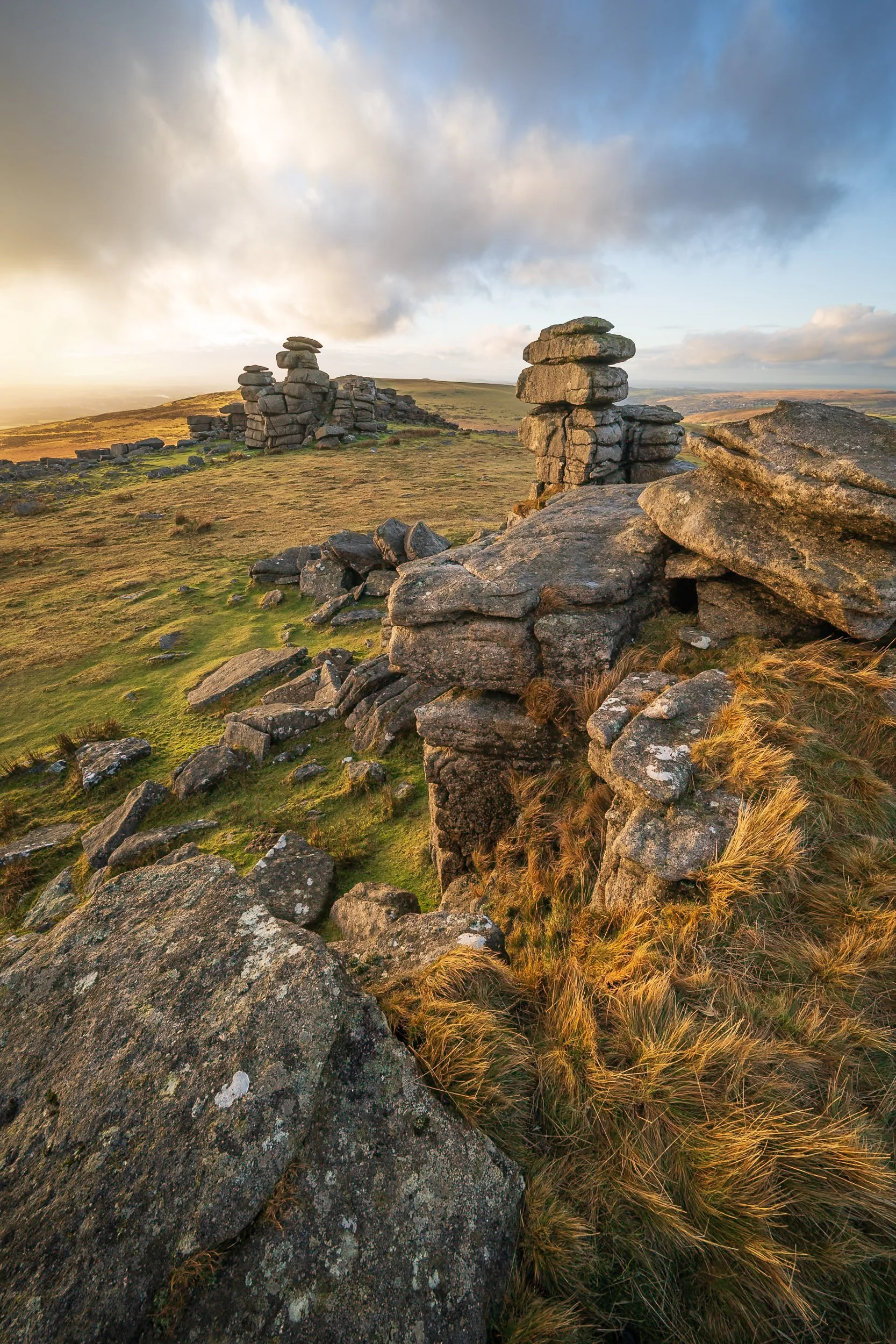
Great Staple Tor - this image drew on years of experience photographing Dartmoor, where composition, light, and a deeper understanding of the landscape all came together.
Bringing It All Together
Choosing a photography tutor is not about finding the most dramatic portfolio or the loudest voice.
It is about alignment.
Does their style reflect where you want to go?
Do they understand Dartmoor deeply?
Are they generous with their knowledge?
Do they communicate clearly and with structure?
Have they built genuine experience over time?
When those elements come together, progress feels natural. Confidence grows. Your photographs begin to reflect not just what you saw, but what you intended to create.
If you feel this approach resonates with you and would like a supportive, personalised way to develop your photography on Dartmoor, why not explore my one to one photography tuition page and see how we can work together to help you see and capture this extraordinary landscape in your own way.
Client feedback -
“It’s the best money I’ve spent on my camera for sometime!”
In my Discovering Dartmoor video series, I’ve extensively explored the moor to not just to find the best photography locations, but to truly understand it. That deeper knowledge is something I share with the photographers I work with.