
Why I Rarely Use ND Grads
Infrequently Used, Not Obsolete
If you've been a photographer for a long time, you'll have owned plenty of different cameras, lenses and accessories. Ask most photographers which pieces of gear they remember most fondly, and they'll probably mention a favourite camera or lens. Accessories rarely make the list.
Look inside a camera bag, though, and you'll find much more than just a camera and a collection of lenses. It's often full of accessories, some essential and others that seemed like a good idea at the time. Most of them come and go without leaving much of an impression.
It's the same for me. I can remember every Nikon camera I've owned and almost every lens that has accompanied me over the years. But ask me which camera bag I was using ten years ago, or what accessories I carried, and I'd struggle to tell you.
One accessory, however, has recently made me stop and think. Graduated neutral density filters.
I've found myself reaching for ND grads less and less over the last few years, almost to the point where I can't remember the last time I actually used one. When I first heard about circular only filter systems, I thought they were a step backwards. Surely every landscape photographer still needed graduated filters? Now that I've been using the Kase Revolution system for a while, I think I may have been a little hasty with that opinion.
The reality is that I rarely use ND grads these days. The filters I reach for most often are a circular polariser and a standard ND filter, both of which work perfectly in a circular magnetic system.
The biggest reason is that my photography has changed.
I'm fortunate enough to photograph with a Nikon Z8, a camera with exceptional dynamic range. It gives me so much latitude when processing RAW files that, in many situations, I simply don't need a graduated filter on location. Recovering highlight and shadow detail from a single exposure is often all that's required.
Just as importantly, the landscapes I photograph have changed too.
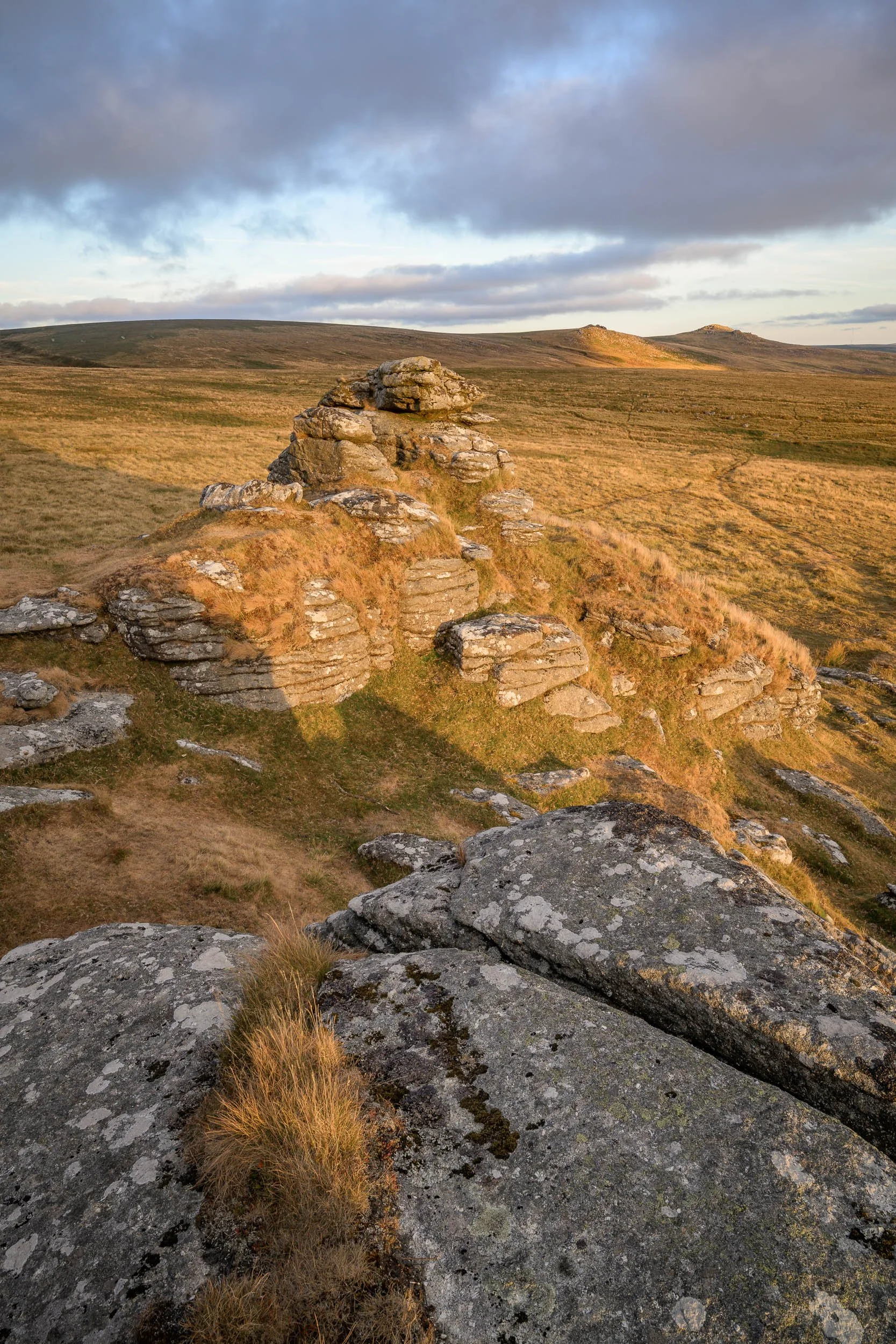
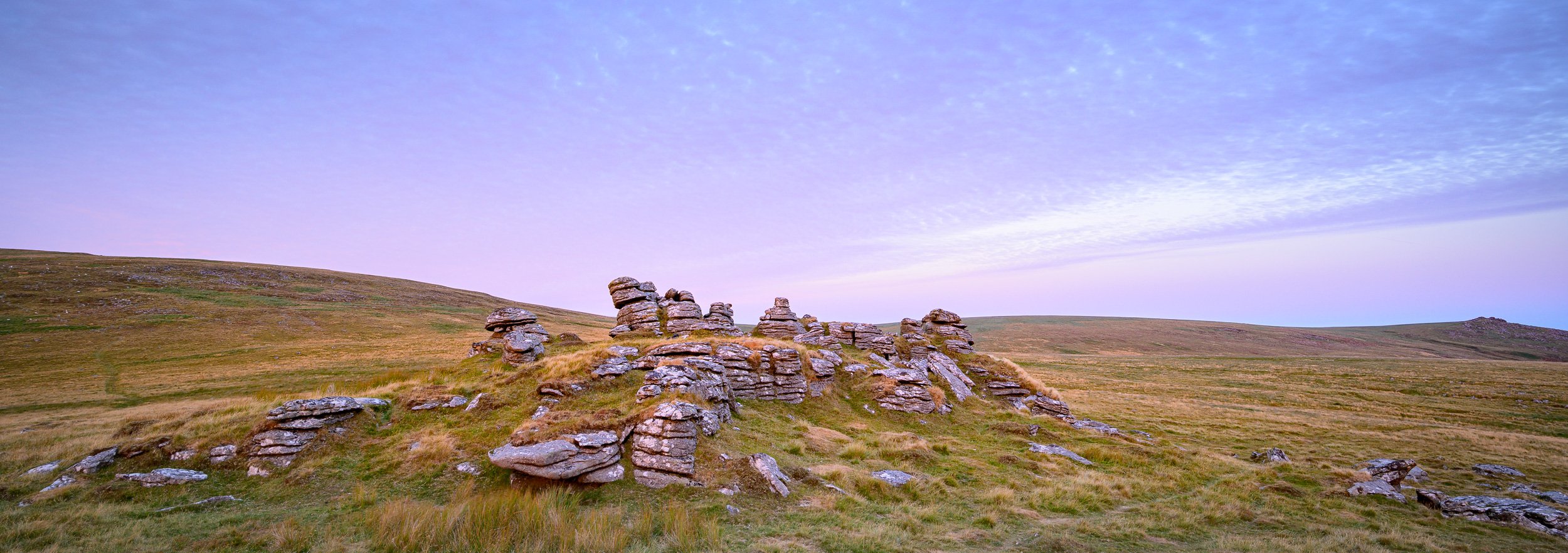
Most of my photography now takes place on Dartmoor, where clean horizons are few and far between. Tors and rocky outcrops constantly interrupt the skyline. Place a graduated filter over a scene like that and it doesn't just darken the sky, it often darkens the very features I'm trying to emphasise. In those situations, the filter can create more problems than it solves.
That doesn't mean ND grads are obsolete. Far from it.
Every photographer has a different camera, a different workflow and photographs different landscapes. If you spend your time along the coast, where the horizon is often clean and uninterrupted, a graduated filter can still be one of the most useful accessories in your bag. Likewise, if you're photographing scenes that exceed the dynamic range of your camera, or simply prefer getting as much done in camera, ND grads remain an excellent solution.
So no, I'm not saying goodbye to them.
In just a few weeks I'll be travelling to one of my bucket list photography destinations. I'll be photographing very different landscapes in very different conditions, and my set of graduated filters will be coming with me. I may not use them, but I'd much rather have them and not need them than need them and leave them at home.
For me, ND grads have become infrequently used, not obsolete.
What about you? Do you still use graduated ND filters regularly, or has your workflow changed with modern cameras? I'd love to hear your thoughts in the comments.
Kase Filters Revolution System
The circular filter system I refered to earlier in this blog post is the Kase Filters Revolution system. If you are interested in knowing more about these filters, here are the links you need:
🛒 Kase Revolution Plus Entry Kit - https://kasefilters.com/product/kase-revolution-plus-entry-kit/ref/JulianB/
🛒 Kase Revolution Plus Pro Kit - https://kasefilters.com/product/kase-revolution-plus-pro-kit/ref/JulianB/
Use the discount code 'Julian' for a 5% discount