
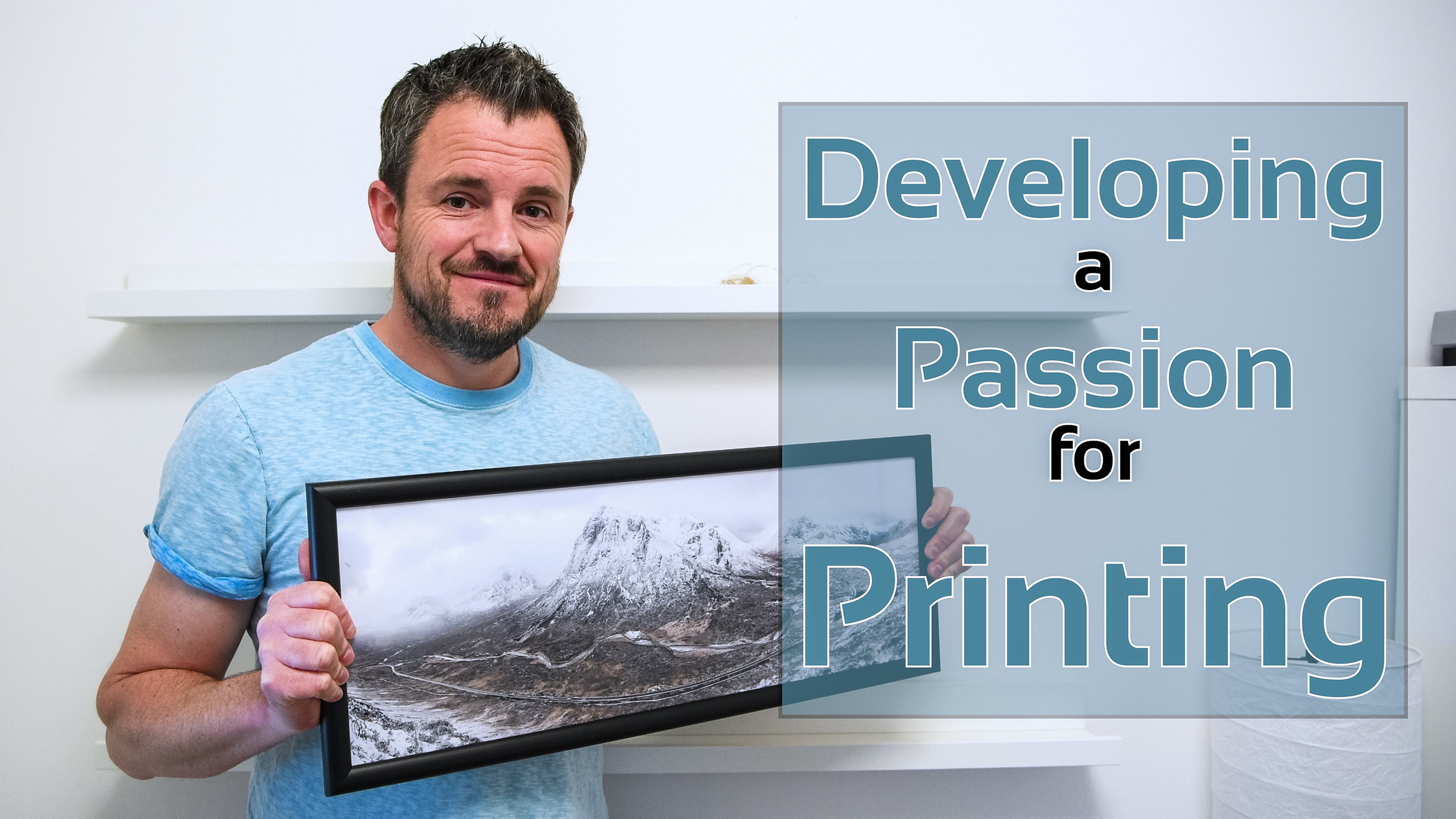
Developing a Passion for Printing
In the vlog this week I expand my printing skills by printing a panoramic image on panoramic paper and then mounting it into a custom-made panoramic frame. I also take a look at some different paper types to try and see what impact each one has on an image.
Discovering the Joy of Printing
Back in April of this year, I wrote about how I purchased a new Canon Pixma Pro-10S printer while I was at The Photography Show in Birmingham. You can read why bought a printer and watch the video I made on my first experiences of printing, in my blog article Discovery the Joy of Printing.
Ever since then I've been printing my images. A lot. And I have to say it's been a lot of fun. I've enjoyed the experience of going out to make an image, post-processing it, and then creating a print at the end.
Developing a Passion for Printing
I have however been keeping things relatively simple. I've been using standard paper sizes, using Canon's Platinum Pro glossy paper. The results have been great. Prints match what is on the screen and the whole workflow is straightforward.
However, there any many different paper types from many different paper manufacturers, so I thought it was about time to expand my printing horizons. In the video below I take one of my favourite panoramic images and print it on some panoramic paper from Fotospeed, and then mount it in a custom frame from Picture Frames Direct. I also take another one of my favourite images of the year and print it on some different paper types.
These are the images I printed in the video.
Nikon D750, Nikkor 24-70mm f/2.8 VR at 20mm, 1/3 sec at f/11, ISO 100, 7 image panorama.
Nikon D850, Nikkor 16-35mm f/4 @ 18mm, ISO 100, 5 sec @ f/13, Lee Filters circular polariser and ND grad.
Well, I hope you enjoyed my follow-up video on printing. As you can see I've still got a lot to learn, but I'm really enjoying the challenge. I get a great sense of satisfaction on owning the entire process from capture to print.
Have you recently taken up printing? Are you an experienced printer? Do you have any advice on printing? Let me know in the comments below.
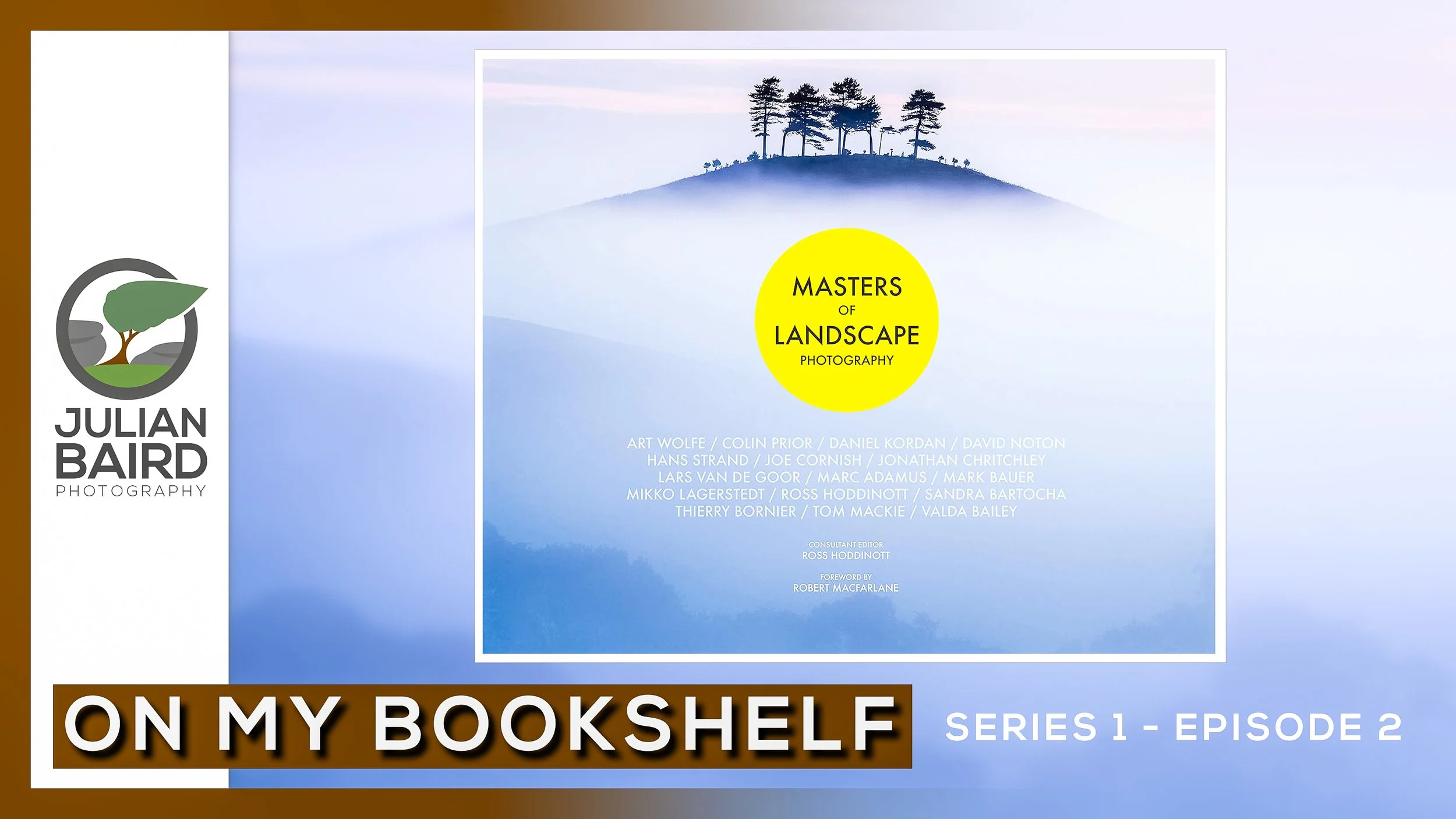
Masters of Landscape Photography - On My Bookshelf S01E02
In this blog post, I take a look at the book Masters of Photography.
Masters of Landscape Photography
Back in October, I introduced you to a new series of videos that I was going to create called On My Bookshelf. The first video was called 5 Great Landscape Photography Books and it feature 5 of my favourite landscape photography books.
Well, I'm very pleased to share with you the latest episode of On My Bookshelf which looks at the book, Masters of Landscape Photography.
You can see my thoughts on this book in the video below:
I do hope you enjoyed that episode of On My Bookshelf. If you'd like to pick up a copy of this book then you click here and it will take you straight to Amazon.
I'm also very interested to hear your feedback. Is this type of content of interest to you? Was this episode too long or too short? Let me know your thoughts in the comments below.

Snow on Belstone Common
In this blog post and video, I head up to Belstone Common on Dartmoor to catch the first snow of the winter.
Snow!
I think most landscape photographers like a bit of snow. It's rare to see here in the south west of England, so when it does come it can transform the winter landscape from dull and boring, to crisp and white. It can really change the look of a location and provide opportunities to shoot something a little different.
When my wife casually mentioned that snow was forecast my first reaction was for disbelief. It was November and probably a little early for snow. However, I'm not one to miss an opportunity so I checked the Will It Snow forecast and was happy to see that there was a 57% chance of snow on Dartmoor.
I got my thinking hat on and thought the higher up I went on Dartmoor, the greater the chance of snow there would be. I then remember Belstone Common, a location that I've photographed before. It's close to home, easy to access and importantly over 400m above sea level.
Despite the 50/50 odds on it snowing, I couldn't miss this potential opportunity, so I got my gear ready and made plans for an early start the next day.
You can see how I got on in my latest 5 Minute Photo Adventure video below:
The Images
Here are the images that I captured that you will have seen in the video.

Nikon D850, Nikkor 16-35mm f/4 at 18mm, ISO 64, 3 seconds at f/13, Lee Filters 0.6 ND graduated filter.
Nikon D850, Nikkor 16-35mm f/4 at 18mm, ISO 64, 1/5th second at f/13.
Nikon D850, Nikkor 16-35mm f/4 at 18mm, ISO 64, 1/5th second at f/13, Lee Filters 0.6 ND graduated filter.
Nikon D850, Nikkor 16-35mm f/4 at 19mm, ISO 64, 1/8th second at f/13, Lee Filters 0..6 ND graduated filter.
I hope you enjoyed the video and the images I captured. I certainly had fun up on Dartmoor that morning, despite the freezing temperatures. It really is mornings like that I look forward to. A lot of action, changing conditions, and plenty of opportunities to capture images.
So have you photographed any snowy scenes this winter? What is your favourite season to photograph? Let me know in the comments below.

Landscape Photography with the Mactrem AT64C Tripod
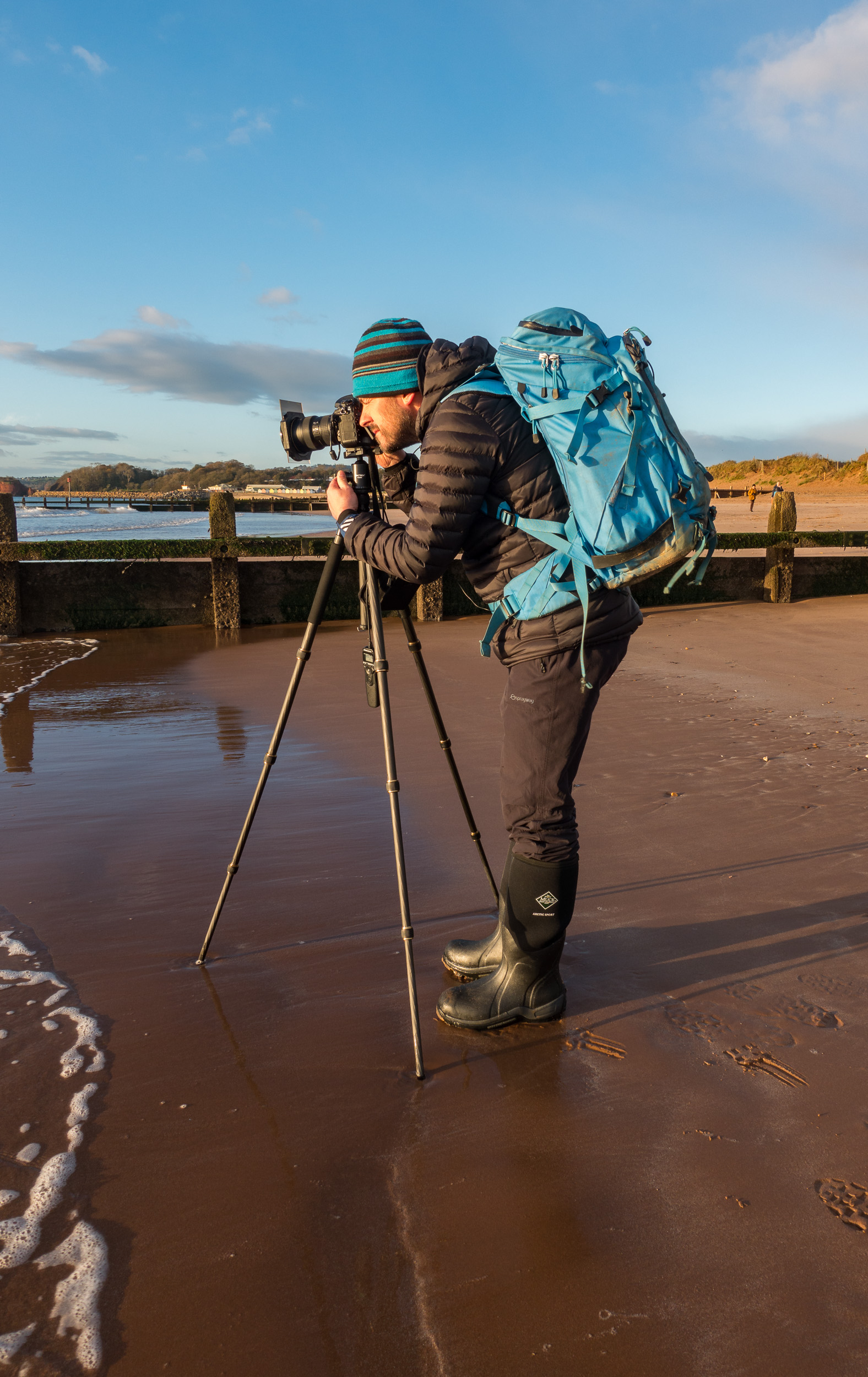
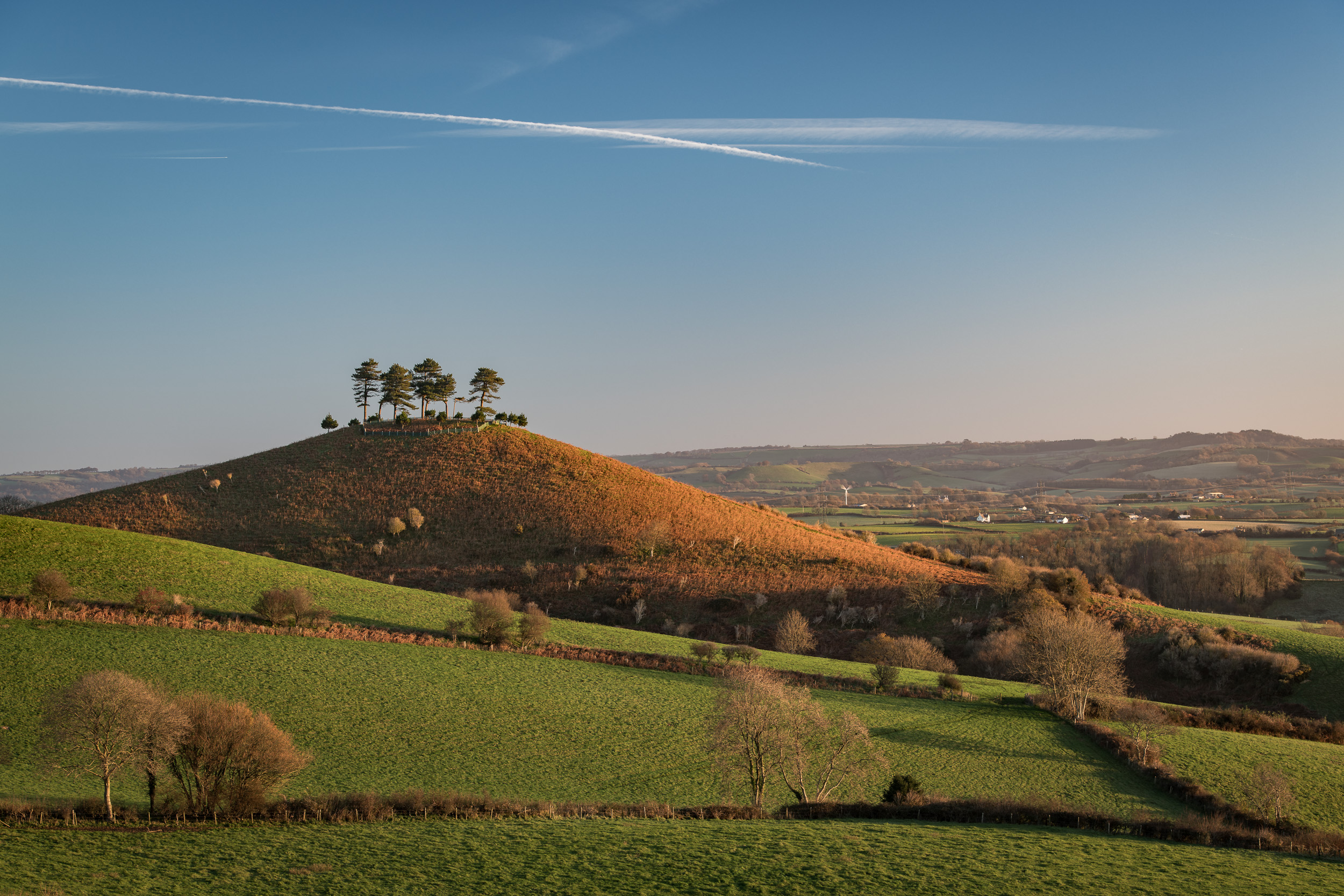
In the blog this week I take the Mactrem AT64C Carbon tripod on location to shoot some landscape images to see how it copes with real-world situations. Join me in my video review as I photograph long exposures at Dawlish Warren, use a long lens at Colmer's Hill, and take panoramic images from Pilsdon Pen. Finally, I give you my thoughts on this tripod. Is it worth buying?
Reviews On Location
When Mactrem reached out to me to review their AT64C carbon tripod I thought it would be a great excuse to go out and do some landscape photography. Not that I really need an excuse. I fairly well self-motivated when it comes to landscape photography!
For this review, I didn't want to just unbox the tripod and discuss the technical specs from the comfort of my home. That would be a bit boring wouldn't it? So I thought I would do my review a little differently. I would put the tripod to use in some real-world scenarios, capture some images and share my thoughts on both the photography and the tripod.
By doing this I would not only educate the viewer on the tripods performance on location but for anyone just interested in landscape photography there would be something there for them as well.
Reviewing to Mactrem AT64C Tripod
So regardless if you want to know more about this tripod or you just want to see me shoot some landscapes, I hope you enjoy this video:
I do hope you enjoyed this video and that you either found the review helpful or just liked the photography bit.
If you want to purchase one of these tripods then you can purchase one from Amazon.co.uk by clicking on this link here. Also, until 15th April 2018, if you enter the code UWSN5IQD at checkout, you will receive £15 off the price of the tripod.
So what tripod and head do you use? Would you like to see me do more product reviews on location like this one? Let me know in the comments below.
PS. Keep reading as below I'm going to share with you the images that I took at all the locations, along with some shots of me using the tripod.





Landscape Photography Adventure in the Lake District - Part 3
In this special blog post, I share with you the final part of my landscape photography adventure video from the Lake District.


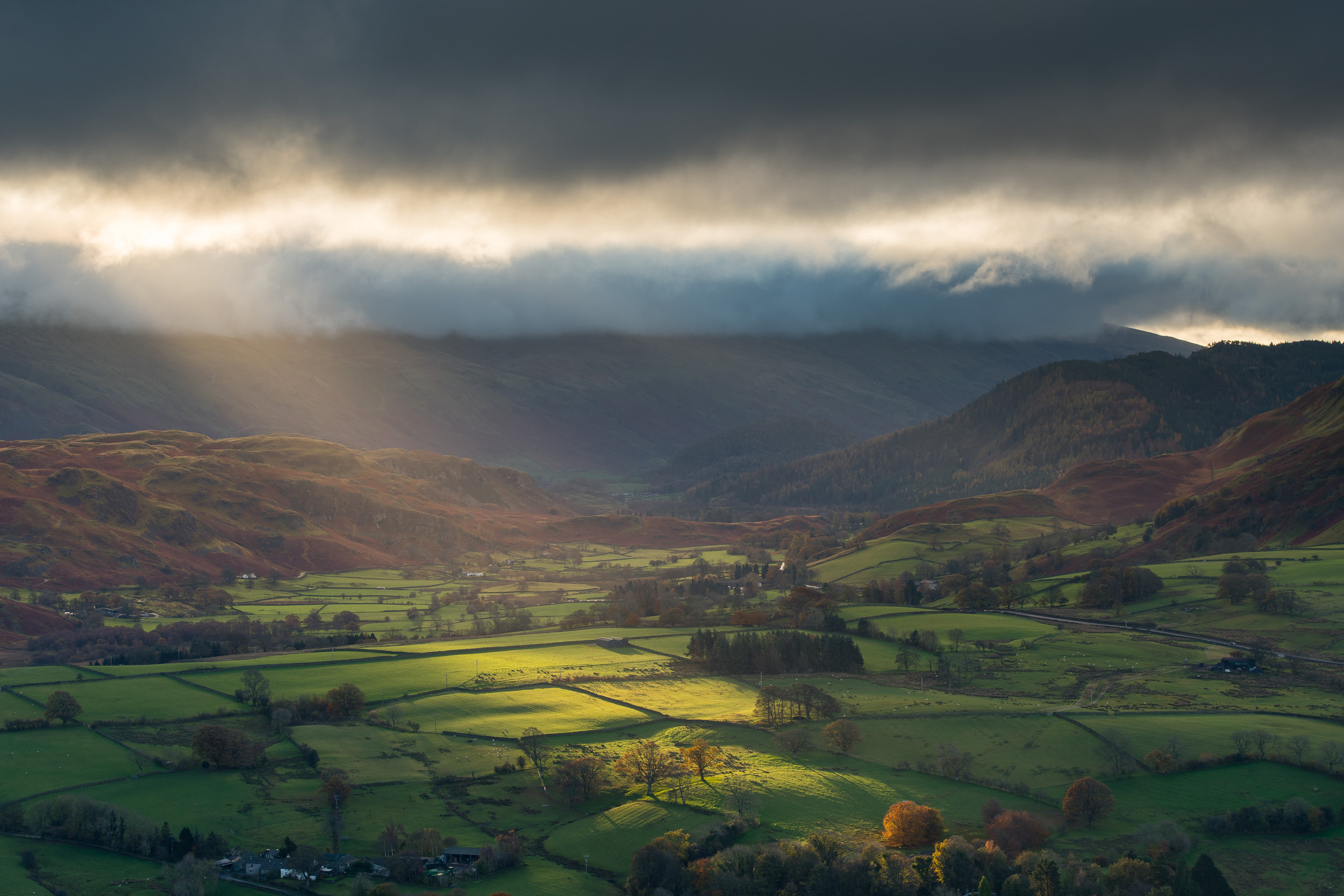
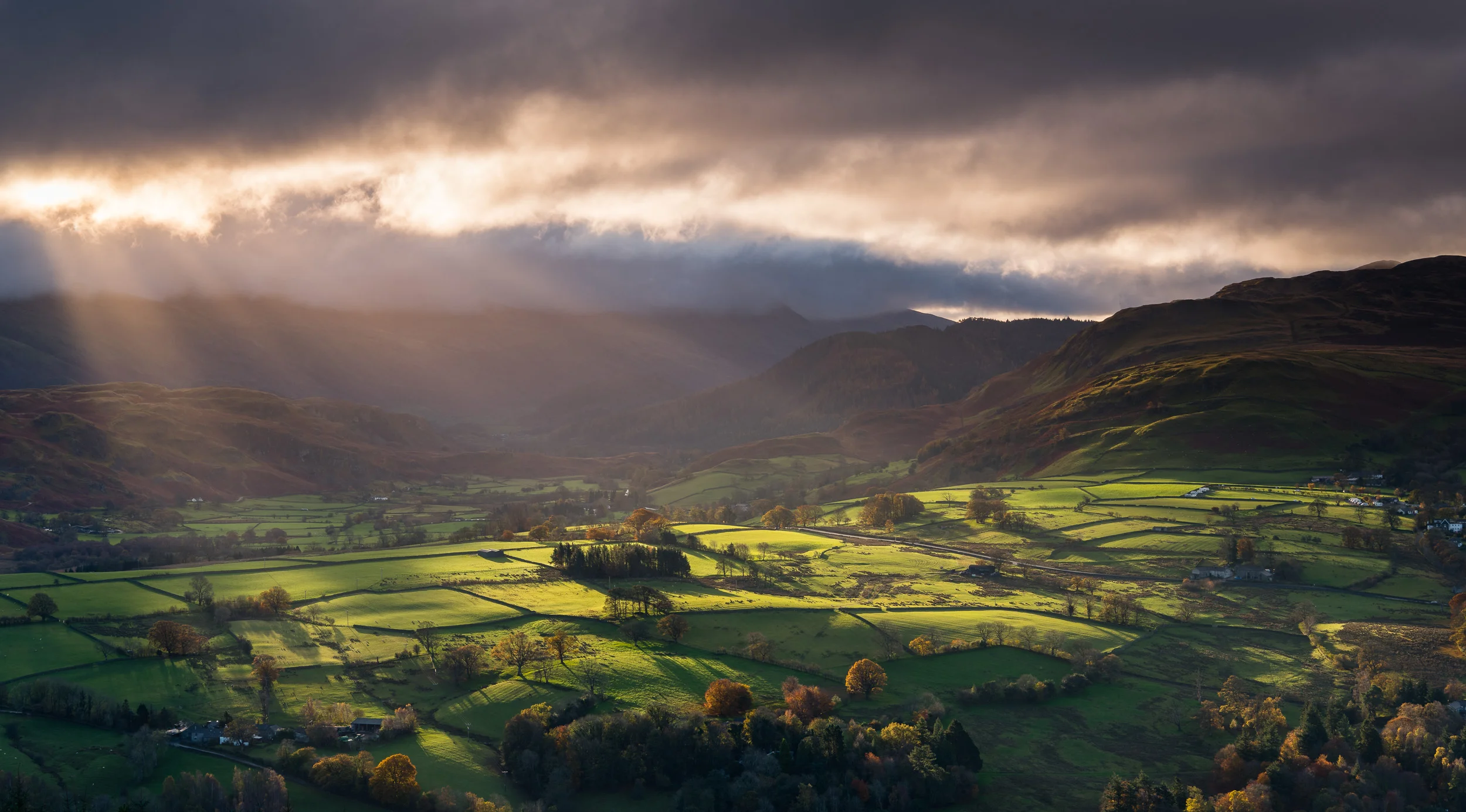
If you watched part 1 and part 2 you'll know that I didn't have the best of luck with the weather. For two days I had grey, flat light, and while I was capturing nice images, they just lacked the dramatic light that I know the Lake District can produce. Then, and I'm not joking here, the light broke through the clouds in the last 15 minutes of my adventure. I was just about to pack up and leave as I need to get back to my hotel to check out when all the action happened.
As long as I could go away with one great image I would have been happy. It just happened that on this trip I needed to wait until the very end of my trip!
Overall I had a really good time in the Lake District. While the photography was challenging at times, it was also a lot of fun. As is often the case with these trips the enjoyment comes from more than just photography. I'm a big fan of the outdoors, so just being outside and wandering about some of these great spots and locations is a wonderful experience. I also met some great people on my adventure. From fellow photographers, hill walkers, and even a fell runner. I guess I like to talk as much as I like to take photographs!
I hope you enjoyed this three-part blog and vlog on my recent Lake District adventure. I'm already making plans for more adventures next year, so remember to stay tuned.
So have you ever photographed the Lake District? What has been your favourite 15 minutes of photography? Let me know in the comments below.

Landscape Photography Adventure in the Lake District - Part 2
In this special blog post, I share with you the 2nd part of my landscape photography adventure video from the Lake District.
In the blog last week I shared with you part 1 of my Lake District photography adventure. This week I'm very happy to share with you part 2 of that adventure. I'm not going to write much else this week as let the video and the images below tell the story.
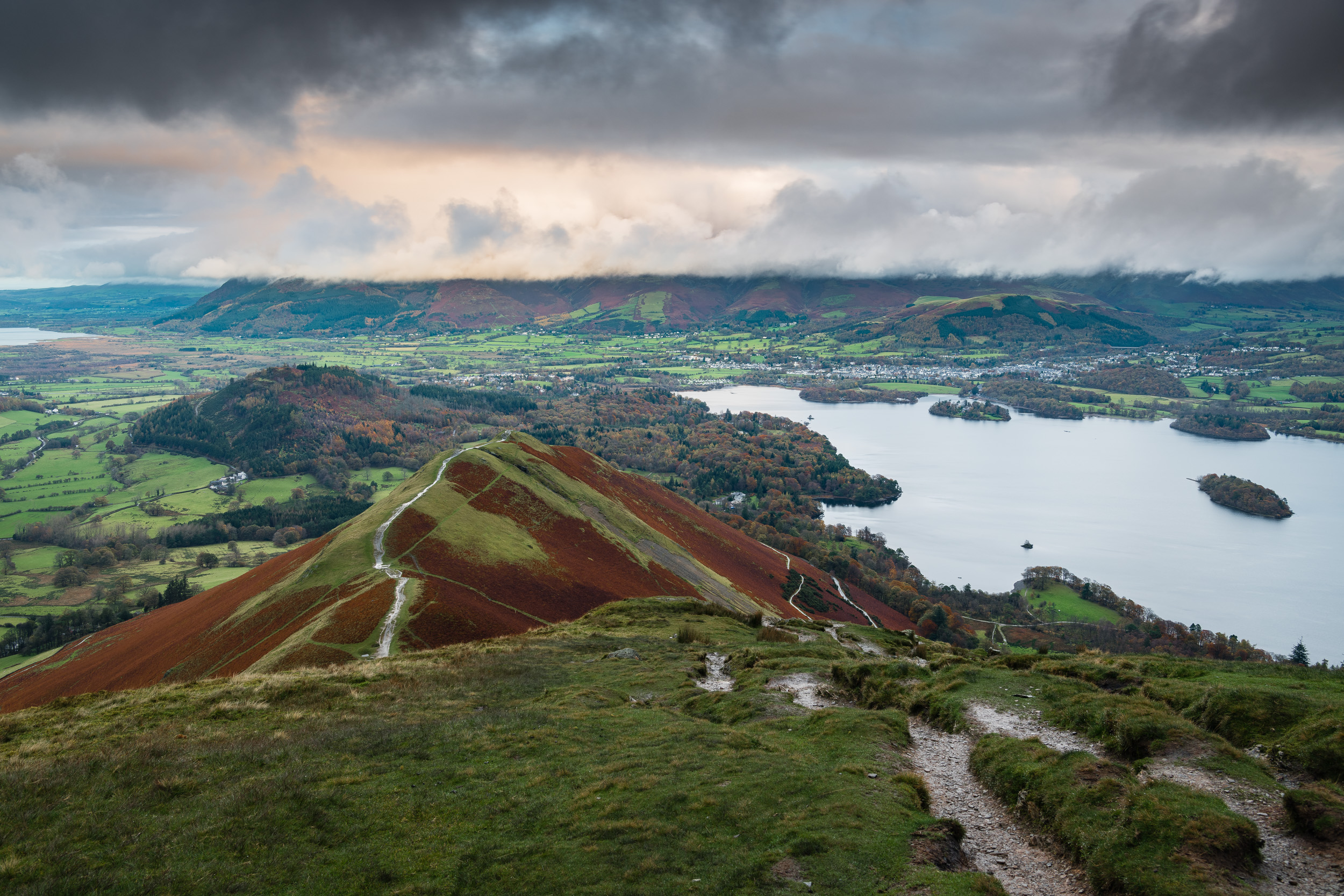


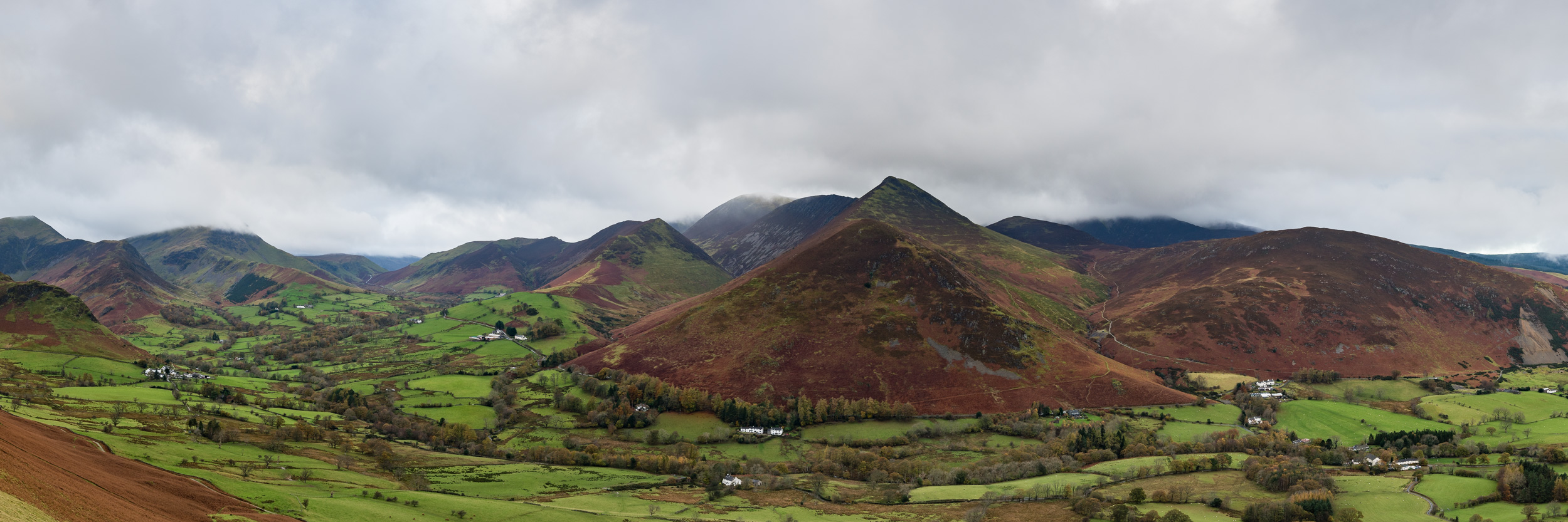
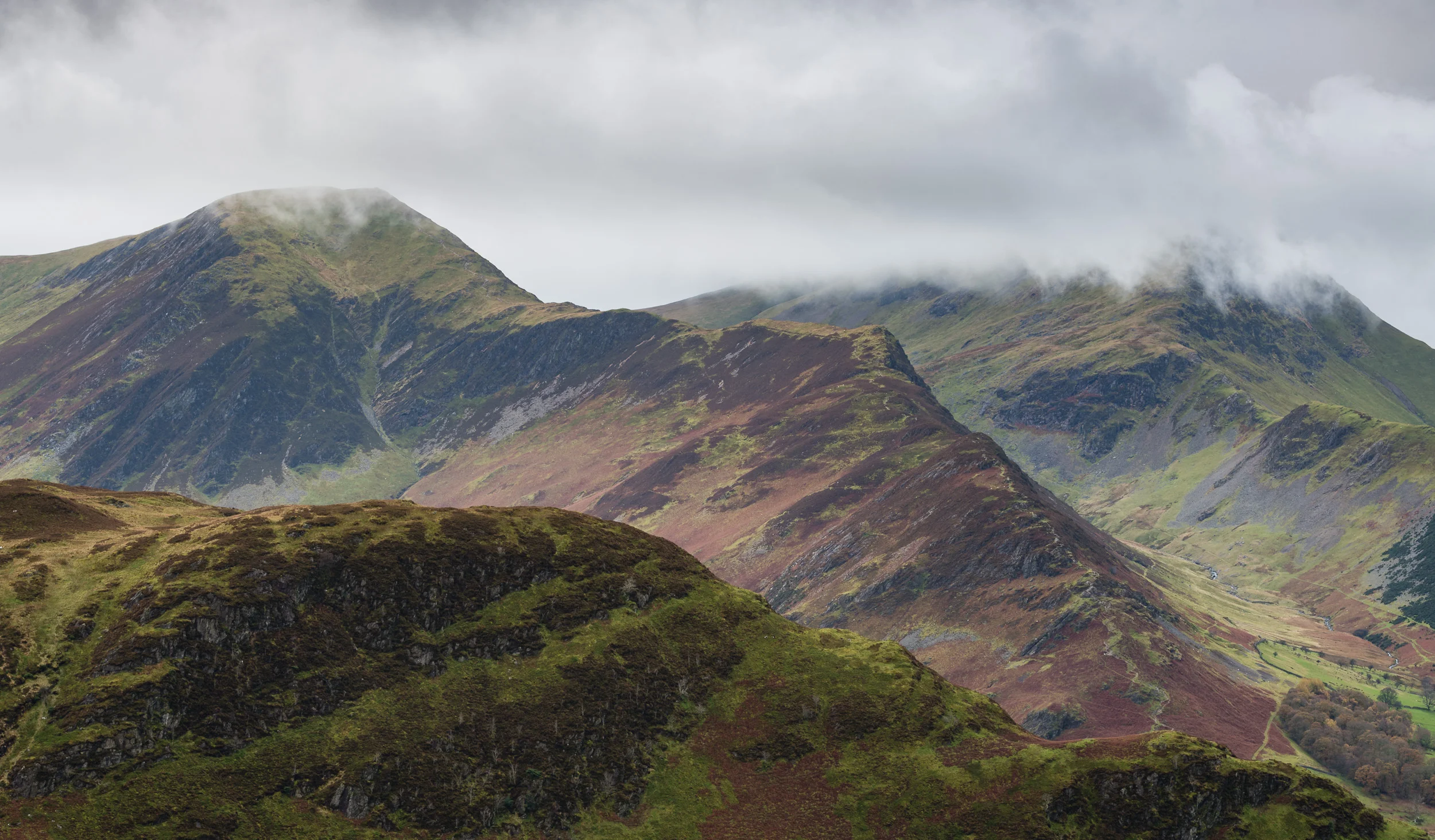


I hope you enjoyed part 2 of my Lake District adventure. Remember you can see part 1 here, and the 3rd and final part will be published next week right here on the blog.

Landscape Photography Adventure in the Lake District - Part 1
In this special blog post, I share with you the 1st part of my landscape photography adventure video from the Lake District.
Adventure
I love a going on a landscape photography adventure! Don't get me wrong, I'm very lucky to live in the south west of England. I've got easy access to two national parks and more coastline than I could ever photograph. Every now and again though you need to spread your wings, push your photography and get out there and visit somewhere different.
Earlier this year I had a fantastic adventure in Glencoe so I was keen to go on an adventure for autumn. But where would I go? Well, there aren't many better places to go in the UK for autumn than the Lake District.
I had given myself two and half days of photography in the Lake District. In that relatively short time, I had a list of locations that I wanted to shoot. These were a combination of locations that I had marked on my custom Google map over the years, some from my previous visit last year, and some from the excellent book Photography the Lake District.
As with my Glencoe adventure I knew I wanted to record my time at the Lake District using both photographs and videos. So in the next few blog posts not only will I be sharing with you the images that I captured but I've also created a 3 part video series so I can share the story behind the images.
Part 1 - Buttermere, Ashness, and Ullswater
Here is part 1 of the video in which you will see me photograph the lone tree on Lake Buttermere, Ashness Bridge, Ashness Jetty and Ullswater.
I hope you enjoyed the video and the images I captured. Here are the images again if you want to see them in a little more detail.


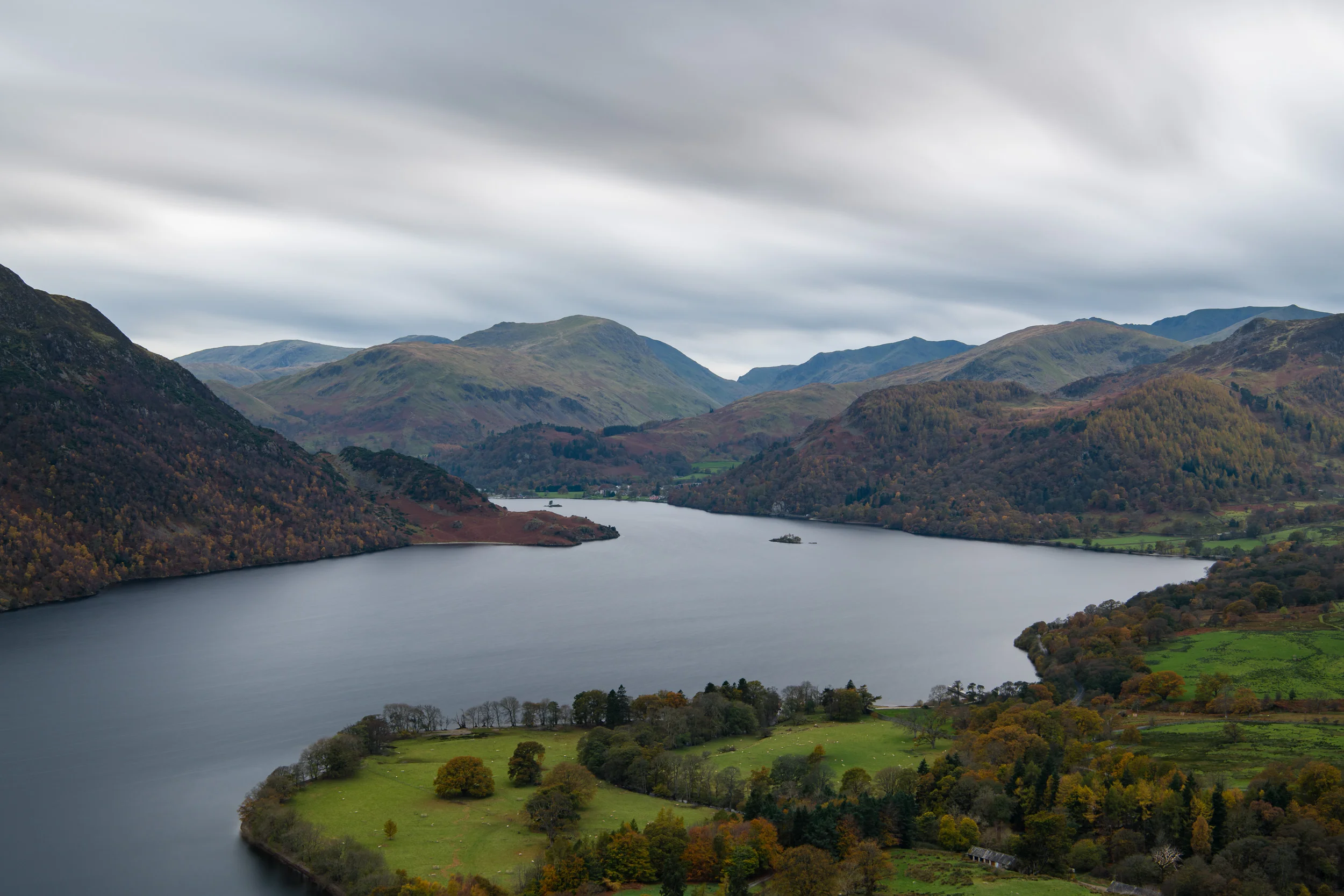
I hope you enjoyed part 1 of my Lake District adventure. I will be publishing part 2 next week so you won't have long to wait!
Shooting into the Sun at The Cobb
In the blog this week I head off to The Cobb in Dorset to try out the new Lee Filters Reverse ND filter.
I Have a Confession
As a landscape photographer, I have to be prepared to shoot in a wide range of conditions. I like to think that I'm pretty adaptable and can deal with most things. However, there is one scenario that I have to admit to always trying to avoid.
The simple fact is that I don't like shooting straight into the sun. As my most common shooting times are dawn and dusk, this can be a problem at certain locations at certain times of the year. When the sun is just above the horizon at the start or the end of the day, it can be really tricky to control the exposure.
Many photographers get around this issue by bracketing their exposures, but I'm not one for spending much time on post-processing. So when Lee Filters announced they had released a Reverse ND Filter I thought this might be the perfect way help me control my exposures in those situations that I had previously avoided.
Some Bad News

A Super Stopper should not look like this.
Before I start to share with you my initial experiences with the reverse ND grad, I have some bad news about one of my other filters. I'm very sorry to report that Lee Filters Super Stopper has been shattered. The purchase of the reverse ND grad was my 11th Lee filter, so I decided that I would remove the Super Stopper from my filter pouch to make room for the reverse ND grad.
Unfortunately, the Super Stopper appears to have received a knock at some point and shattered. This is the first Lee filter I have lost due to damage. I'm not sure how this has happened. I keep all my filters in a Lee Filters pouch which is then kept in a heavily padded area of my bag. Still, something has happened and the Supper Stopper is no more.
RIP Super Stopper.
One of my Super Stopper images. It was featured in Outdoor Photography magazine (issue August 2017).
The Reverse ND Grad
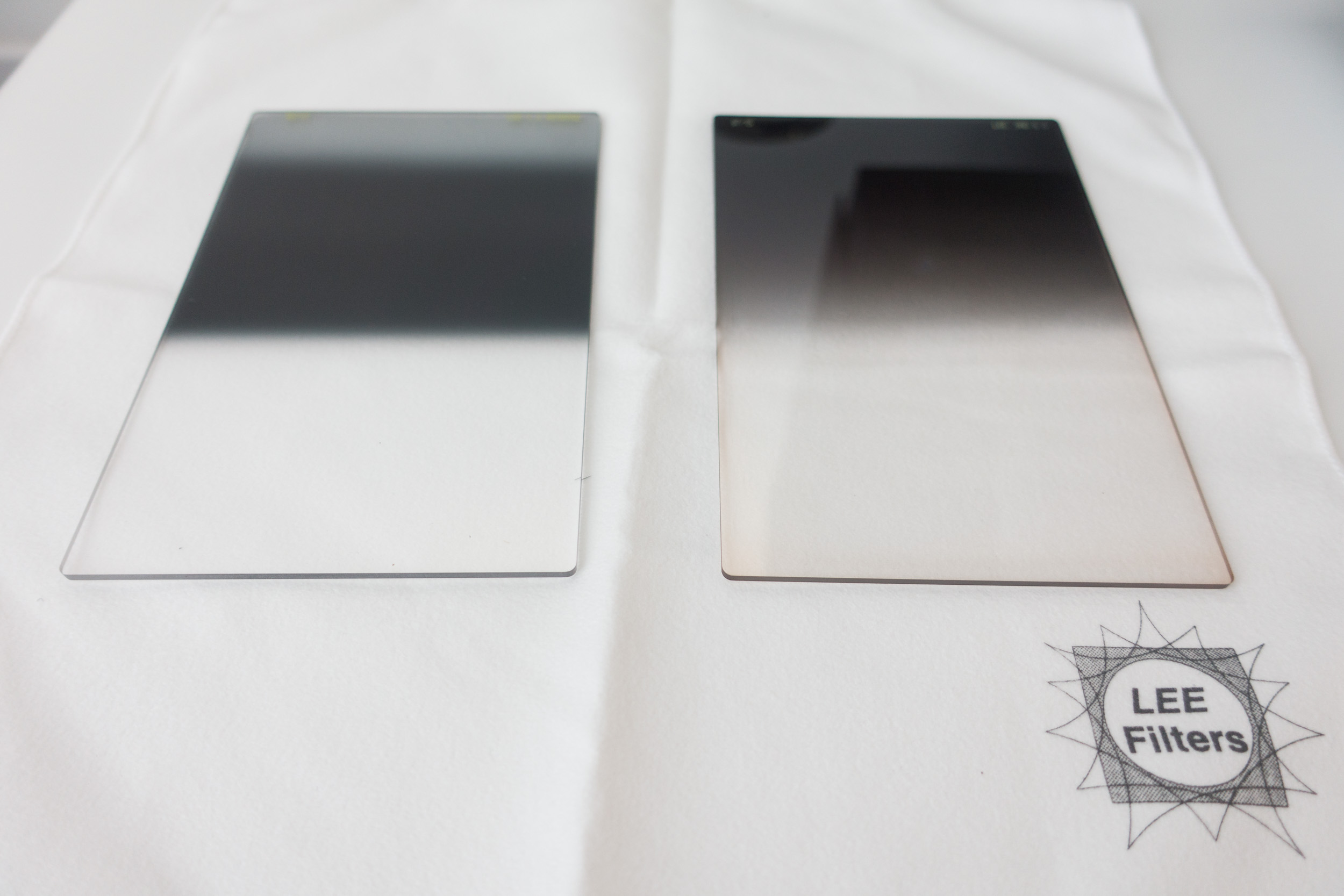
Reverse ND on the left and standard ND grad on the right.
Some of you may be asking what on earth is a reverse ND grad. Perhaps the best way to tell you is to show you.
As you can see from the image above, a standard ND grad is darker at the top and gradually gets lighter the further down the filter you get. However, with the reverse ND grad, the darkest area starts in the middle of the filter, and it gradually gets lighter towards the top of the filter. This allows you to place the darkest area of the filter where you need it most, just above the horizon where the sun is.
At The Cobb
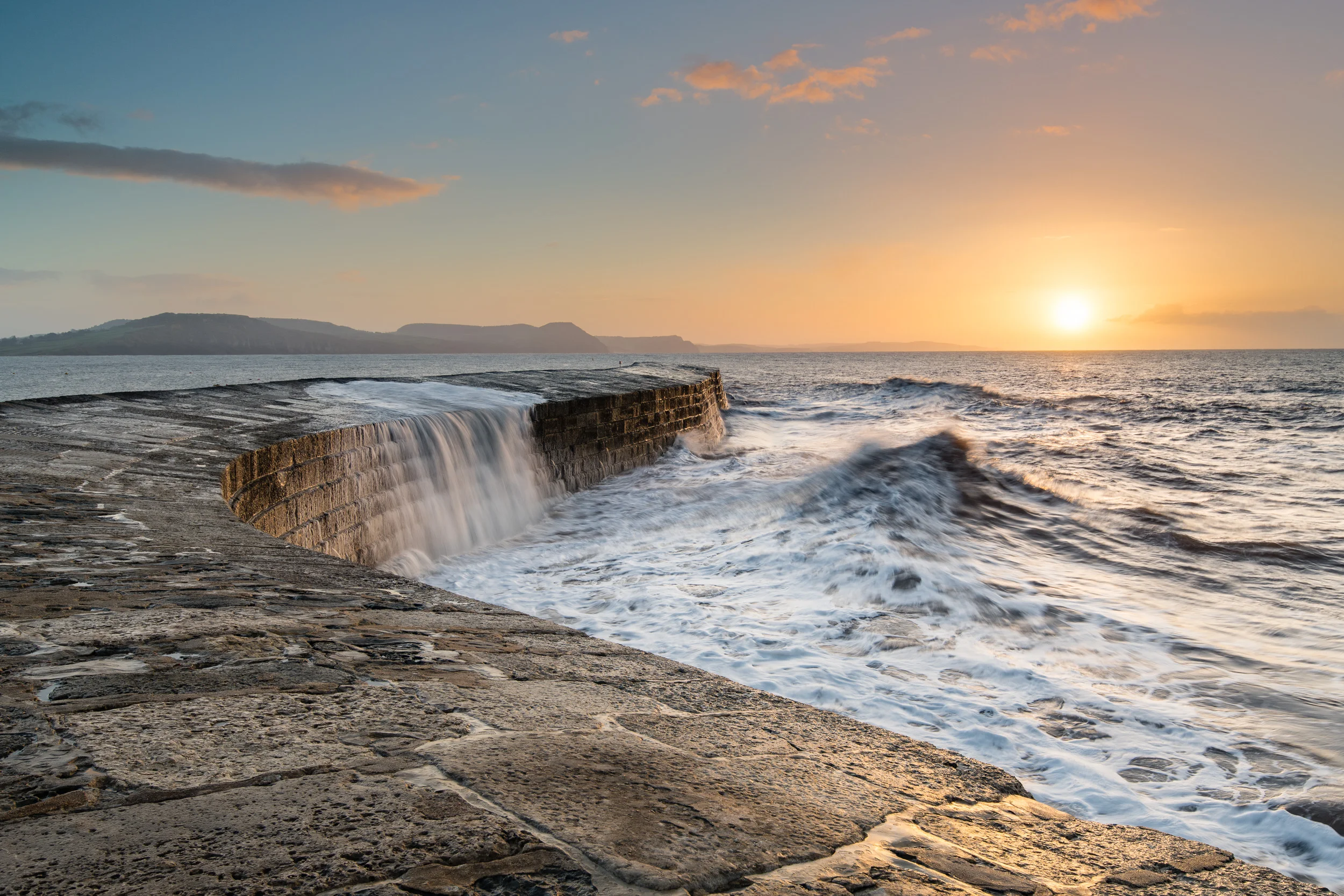
I had been looking for the right location and waiting for the right conditions to try out my 4 stop reverse ND grad for a few weeks. Finally, an opportunity presented itself one morning at The Cobb in Lyme Regis, Dorset. I often wait for January time to visit The Cobb as this is the best time for the rising sun to illuminate the side of this stone pier. However, with clear skies forecast and the sun rising from the end of The Cobb I thought this would be the time to try my new filter.
The light was pretty flat at the start of the sunrise that morning. As I waited for the sun to pop over the horizon I spent a bit of time talking to the 3 other photographers that were also there that morning. As always, I very much enjoy having a chat to my fellow togs. One of those photographers was Anna Stowe. she has a wonderful portfolio of images and I would strongly recommend you follow her Facebook page.
When the sun did rise though I immediately added the 4 stop reverse ND grad to the polariser that was already on the camera. Here are some of the images I took:


The reverse ND grad did exactly the job I wanted it to do. As I took each image I was checking the histogram and was happy not to see any blown highlights. One thing I have noticed is that I did shoot those images at 28mm, which is tighter than the recommend 24mm or wider that Lee Filters say the filter should be used at. This is probably the reason I did spot much graduation towards the top of the image. I will need to remember this next time I use it.
Like a lot of my filters, the reverse ND grad won't be used all the time but it is still a filter that I am very happy to have in my bag. Finally, I can have confidence that when I shoot into the sun I can capture as much of the dynamic range of the seen in a single frame and instantly see results on the back of my camera.
So have you tried the reverse ND grad yet? What technique do you use when shooting into the sun? Let me know in the comments below.
Bad Weather Photography
In the blog this week I remember to "embrace the grey" and head out to Dawlish to get some photos in less than optimal conditions.
Time to Embrace the Grey
I once went on a Nikon School one day workshop with Jeremy Walker. I remember the weather not exactly being great but one thing stuck in my mind from that day. As Jeremy was laying out the plans for the day he already knew it was going to be an overcast day. His advice was to "embrace the grey".
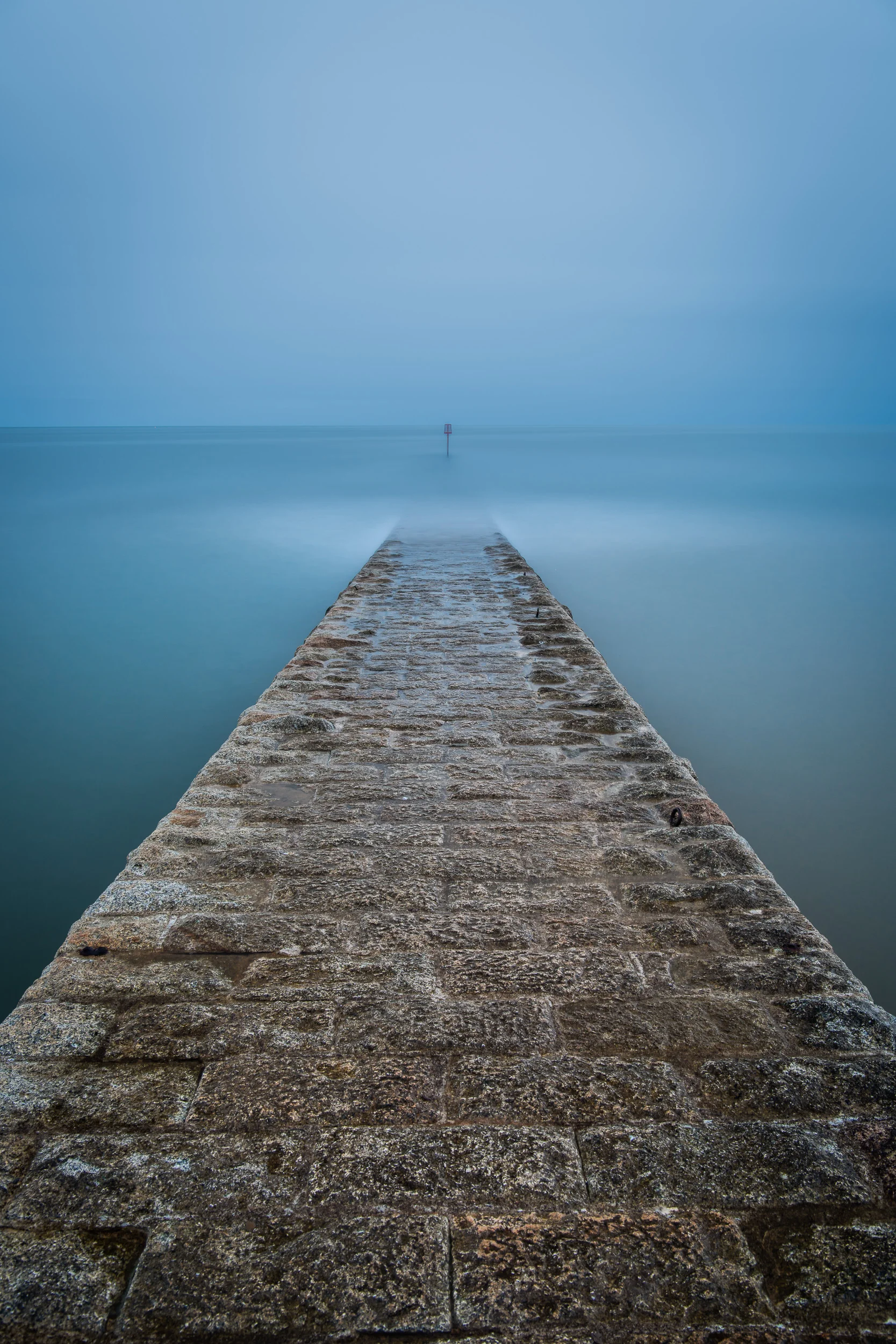
I did just that with this photograph:
Banjo Pier, Swanage. Nikon D750, Nikkor 16-35mm f/4 at 28mm, f/11, 30 secs, ISO 100, Lee Filters Big Stopper.
Now I may have mentioned once or twice on the blog recently that the recent weather has been playing havoc with creativity. So when the weather forecast for the week was looking grim I decided enough was enough and I was going yet again embrace the grey!
I needed to find an appropriate location to make an image but when I remembered about the stone groynes at Dawlish my mind was set. So off I headed with a clear vision of what I wanted to capture.
Despite the weather. No hang on, because of the weather, I really enjoyed myself at Dawlish. It made me look at the location with different eyes.
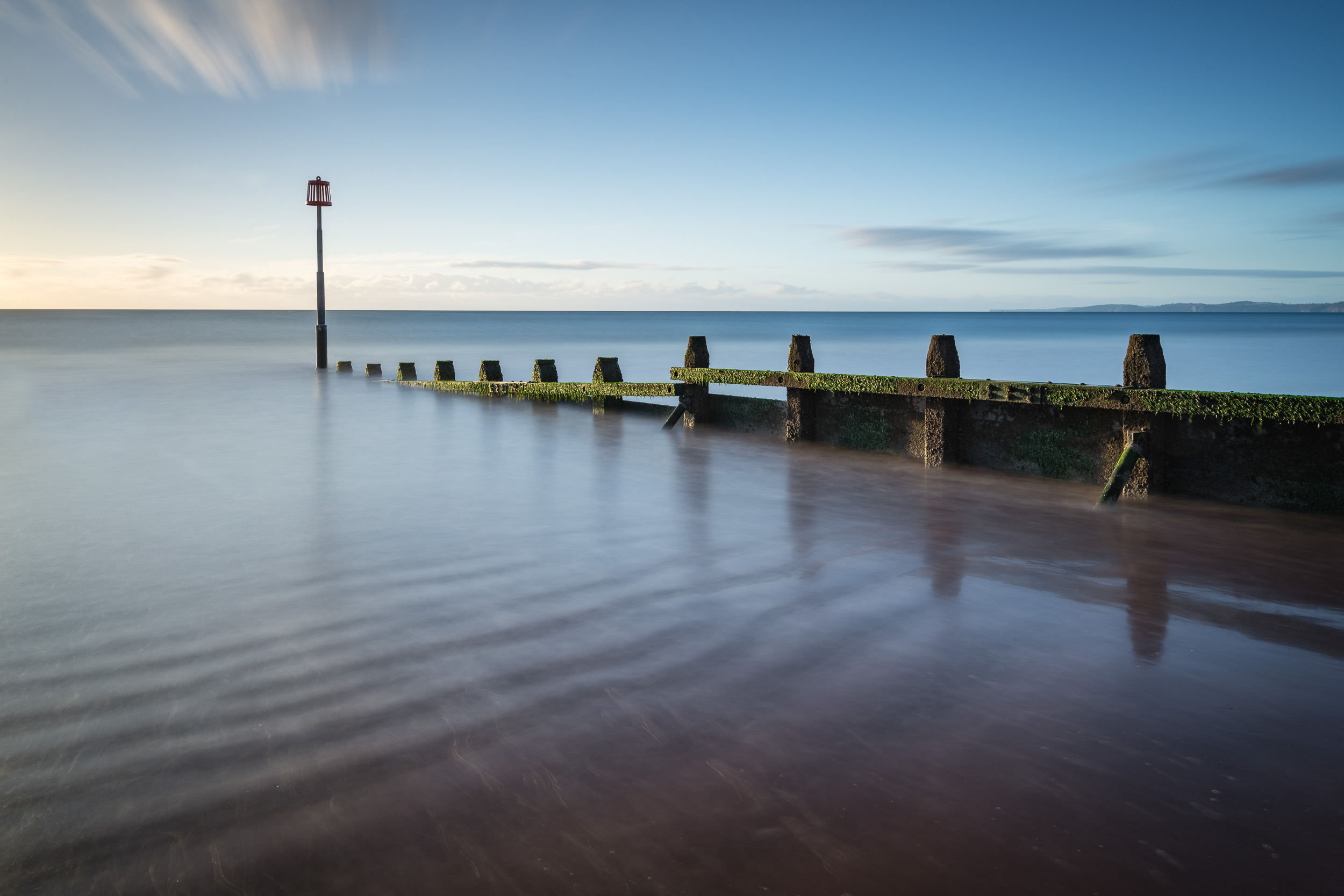
Here's what I photographed:
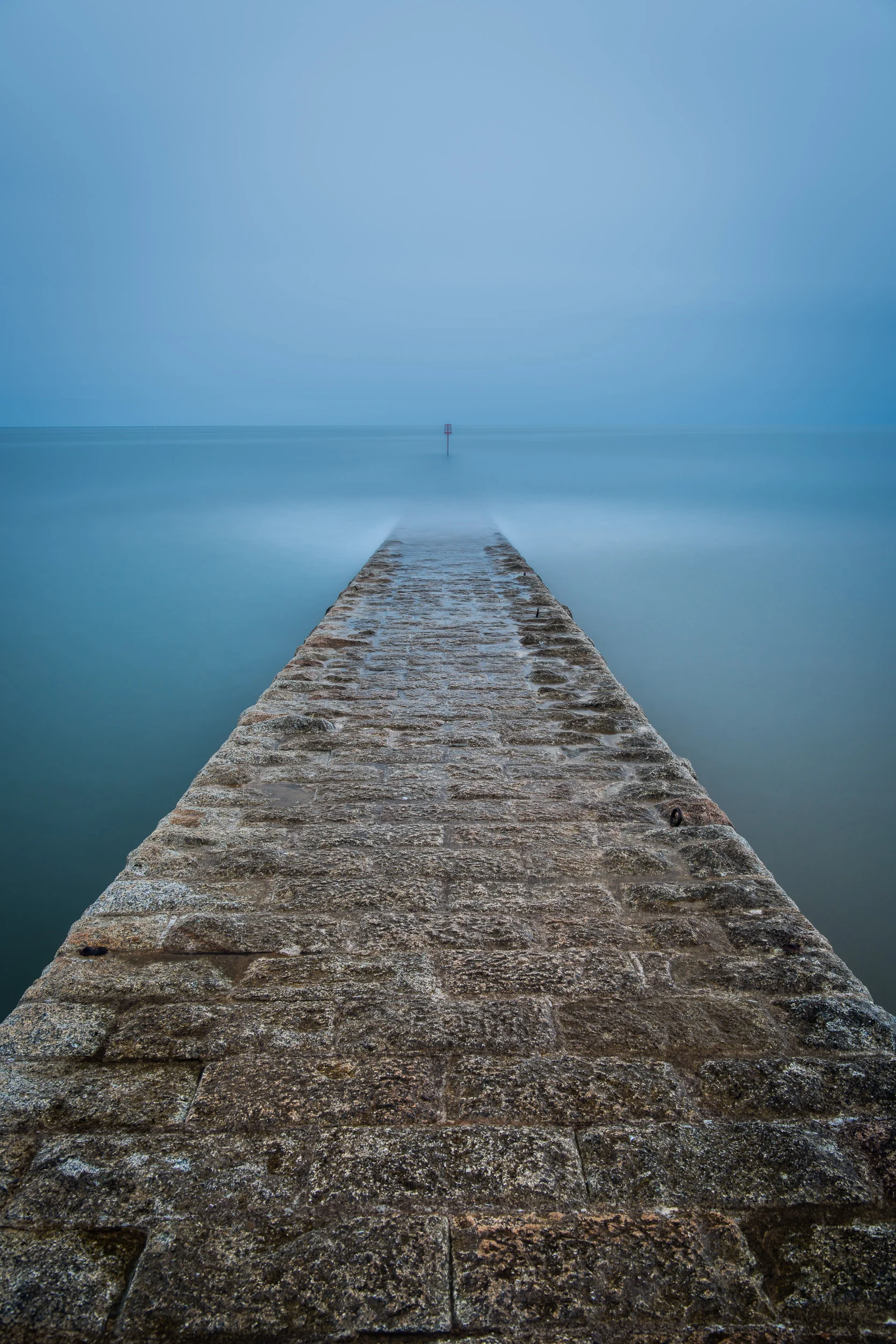
Nikon D850, Nikkor 24-70mm f/2.8 VR at 31mm, ISO 64, 5 minutes at f/11, Lee Filters Circular Polariser and Big Stopper.
If you want to see how I went about capturing the image, here's a short video I shot while I was there...
So do you have a favourite bad weather location to take photographs? Is there really such thing as bad weather for photography? Let me know in the comments below.
PS.
On a little side note, I'm very happy to say that Adobe has now updated Lightroom to support the Nikon D850. This means I no longer have to convert the files to DNG format first. I can now import the NEF (raw) files straight from my memory card. I was so happy about this I posted a video on my YouTube channel.

Amazing Light at Brentor Church
In the blog this week I tell about how I was treated to a spectacular sunset at Brentor Church!
Finally, decent light!
For those of you who read my blog on a regular basis, you will know that I've not been the happiest of photographers recently. Despite being the very proud owner of a new Nikon D850, I've not been having much luck with the weather recently. This has played havoc with my creative adventures! However, this all changed a couple of weeks ago when I visited Brentor Church and I was treated to an epic sunset.
The night before I visited Brentor Church on Dartmoor, I also visited another Dartmoor location, Honeybag Tor. It was one of those evenings where you think your photographic mojo has completely deserted you. I found myself mumbling "why do I even bother" as I wandered back to the car.
I'm not one to stay down for too long though. The very next morning, armed with a cup of coffee I got back on the computer and started checking the weather forecast for that evening. Best thing to do when you've had a bad trip out with the camera is get back out there and try again. After all, I have talked about the value of practice and perseverance before on this blog. So I took on my own advice and got to planning a trip out with the camera.
I looked at the weather forecast, and even though it was forecast for nearly 80% cloud coverage, thanks to yr.no (a Norwegian weather service), I could see that most of that cloud would be high up. With virtually no lower cloud cover there would be a chance that just around sunset the golden light of the sun would illuminate the underside of that higher cloud.
After a recent visit to Brentor Church, I was keen to revisit this Dartmoor location. So with a good weather forecast, and a wonderful location picked, I set off with a positive, but cautious frame of mind.
What's It Called?
I normally like to share the details of where I've taken a photograph, so I normally try and include a map. While adding the map for Brentor Church below I noticed a couple of things.
The map above refers to Brent Tor, Brentnor, and St Michael's Church. So what is this location called? Well I did a little checking and to give the church its full name it's called The Church of St. Michael de Rupe (St. Michael of the Rock), which is located on Brent Tor, near the villages of Brentor, South Brentor, and North Brentor.
I believe the church is commonly known as Brentor Church. So looking at the Google Map above I can only assume that some of those location spots are user submitted and contain minor errors. Anyway, now we all know what it should be called and how to spell it!
Lost for Words
My plan for Brentor Church was not only to take photographs but to also shoot one of my 5 Minute Photography Adventure videos. However, as I was visiting the location on a Friday evening and the weather forecast was good, I knew there would be a good chance there would be other photographers there. The problem with that is that I just can't seem to present to the camera when someone else is watching! I'm just too self-conscious!
As suspected though, when I arrived, there were already a few photographers there. I told myself to just get on with it and get filming. But I didn't. To be honest, it was nice to keep the video gear in the bag and just chat to some fellow photographers. One of the photographers was from Wales and the other was a local photographer called Lee Smith (check out his work here). Both chaps were excellent company and we got to enjoy a very special sunset together.
Changing Light
Brentor Church, like many locations, benefits greatly from good light. The ideal conditions would be to have a dramatic sky, and the side of the hill and church illuminated by some nice side lighting from a setting sun. The image below gives you a hint of what that might look like.
Nikon D850, Nikkor 16-35mm f/4 @ 18mm, ISO 100, 0.6 sec @ f/13, Lee Filters circular polariser and ND grad.
On the night that I was there, that side lighting didn't last too long. Unfortunately, the sunset behind some distant low cloud. However, in the next photo, you can just about see the sky and clouds starting to change colour.
Nikon D850, Nikkor 16-35mm f/4 @ 22mm, ISO 64, 210 sec @ f/13, Lee Filters circular polariser, Little Stopper and ND grad.
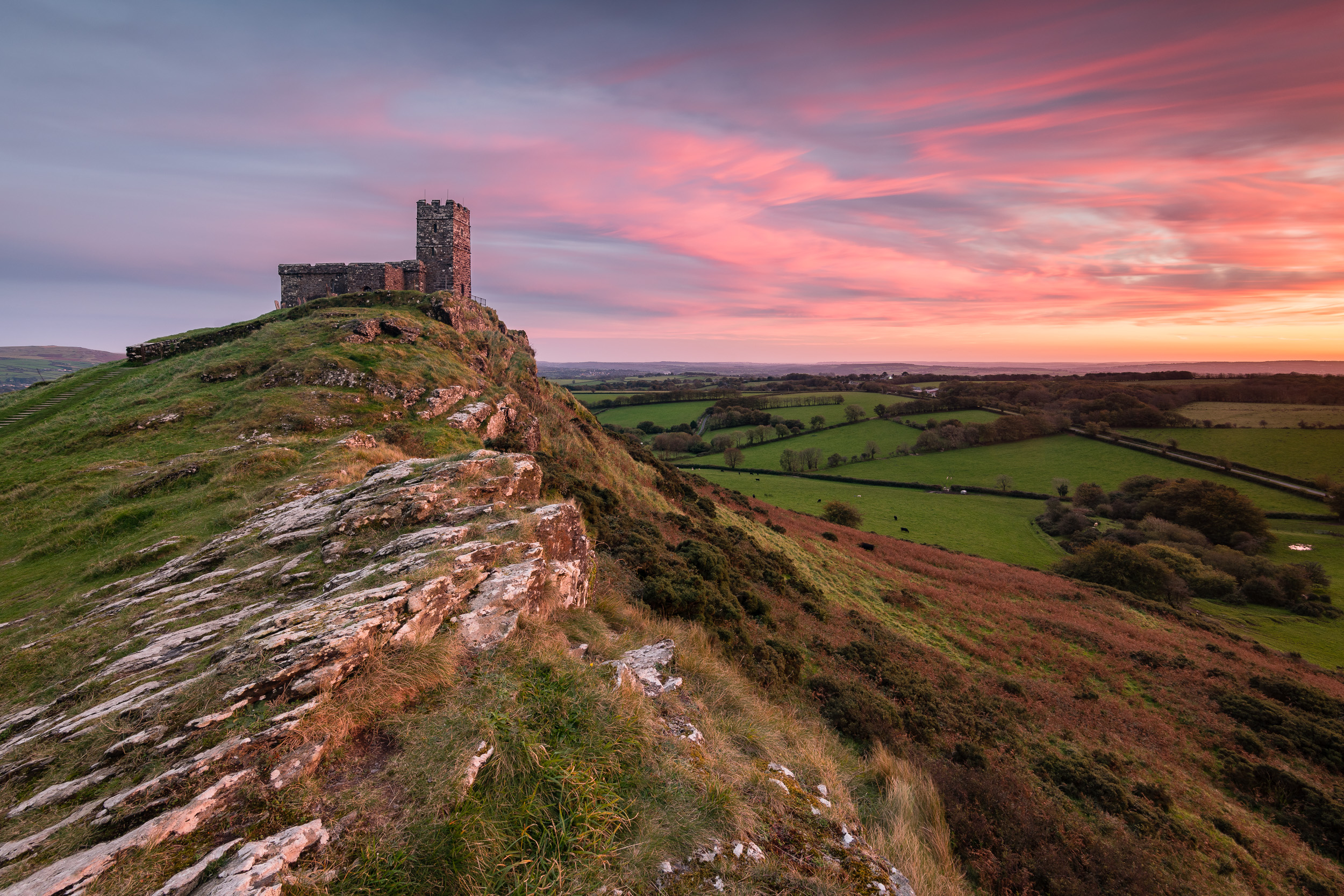
And then, just as the sunset, the sky lit up in spectacular fashion! All of a sudden the sky was full of pinks and blues. This allowed me to capture my favourite image of the night.
Nikon D850, Nikkor 16-35mm f/4 @ 18mm, ISO 100, 5 sec @ f/13, Lee Filters circular polariser and ND grad.
The amazing sky can't have lasted much more than 5 minutes and you can see from the following two photographs how quickly the sky can change in a few minutes. I was glad I was up there early and had everything set up and ready to shoot before the action started.

It was a wonderful evening of photography. Not only did I get some images that I was very happy with but I had a great time chatting with some fellow photographers. I will get that video of Brentor Church done one day. Not that I need an excuse to visit this great location again.
So have you shot Brentor Church before? What was the best sunset you've photographed? Let me know in the comments below.

5 Great Landscape Photography Books - On My Bookshelf S01E01
In the blog this week I tell you about a new video series I'm creating and what my 5 favourite landscape photography books are.
A New Video Series
For me, photography books are still very important in my development as a landscape photographer. I value the experience that a book gives me. Rather than simply just scrolling through an image feed on one of the popular photo sharing sites, reading a book gives me the time to really look at a photograph. It's a more involved experience and I like the way it forces me to take time away from the computer to look at an image in detail. Besides, looking at photographs in print is always a great experience.
So I've decided to create a new series of videos for my YouTube channel called On My Bookshelf. In each video will talk about a book (or even a few books) that are important to me and tell you why. I think we all should spend more time reading photography books, and hopefully, these videos will give you some ideas on what to read next.
5 Great Landscape Photography Books
For my first video in this series, I tell you about my 5 favourite landscape photography books.
I hope you enjoyed the video and that it has inspired you to grab your favourite photography book. If you are interested in picking up any of the books I mentioned in the video, you can use the following links:
The Causeway Coast by Steven Hanna (ISBN 978-0857043047) - Amazon or direct from Steven for signed copy
The Art of Landscape Photography by Ross Hoddinott and Mark Bauer (ISBN 978-1781450529) - Amazon
Wildlife Photographer of the Year: Portfolio 26 (ISBN 978-0565093952) - Amazon
Photographing Cornwall and Devon by Adam Burton (ISBN 978-0992905132) - Amazon
Landscape Photographer of the Year: Collection 1 (ISBN 978-0749552244) - Amazon
The links used above are Amazon affiliate links. By buying through the links I may receive a commission for the sale. This has no effect on the price for you.
There are a number of exciting landscape photography books coming out over the next few months so be sure to subscribe to my YouTube channel so you get notified when I publish a new episode of On My Bookshelf!
So do you have a favourite photography book? Which photography book are looking forward to seeing next? Let me know in the comments below.

On Location with the Nikon D850: Froward Point
In the blog this week I share with you my latest video on the Nikon D850. Watch I as I go on location to shoot some seascape images at Froward Point in Devon. I take you through my workflow on how I setup the camera and how I'm using some of the features of the D850. I then head home where I process, print and review the image.
Getting to Know the Nikon D850
Since getting my Nikon D850 I haven't been out to take photographs with it as much as I hoped I would. The bad weather at the moment always seems to know when I have time to go out with the camera. However, I was treated to an epic sunset up on Dartmoor the other day. I got some wonderful images and I'll be sharing them on my blog in the near future.
The Nikon D850 is performing very well and is delivering me some wonderful raw files full of dynamic range. I just wish I didn't have to convert them to DNG first....c'mon Adobe, update Lightroom, please! LR issues aside this is a great camera and so I wanted to do a follow up to my Nikon D850 Initial Impressions video. This video is my most popular video on YouTube to date and there seemed to be a real desire from people to know more about some of the capabilities of this camera.
So in this video, I take the Nikon D850 out to photograph seascape images at Froward Point in Devon. This time I take a closer look at my workflow and how I put some of the features of the Nikon D850 to work.
Froward Point
I've talked about Froward Point a couple of times on the blog and in my videos, but in case you don't know where it is, here it is on the map:
So onto the image itself. Unfortunately, I didn't get the light I was after but I'm still reasonably happy with the image I took.
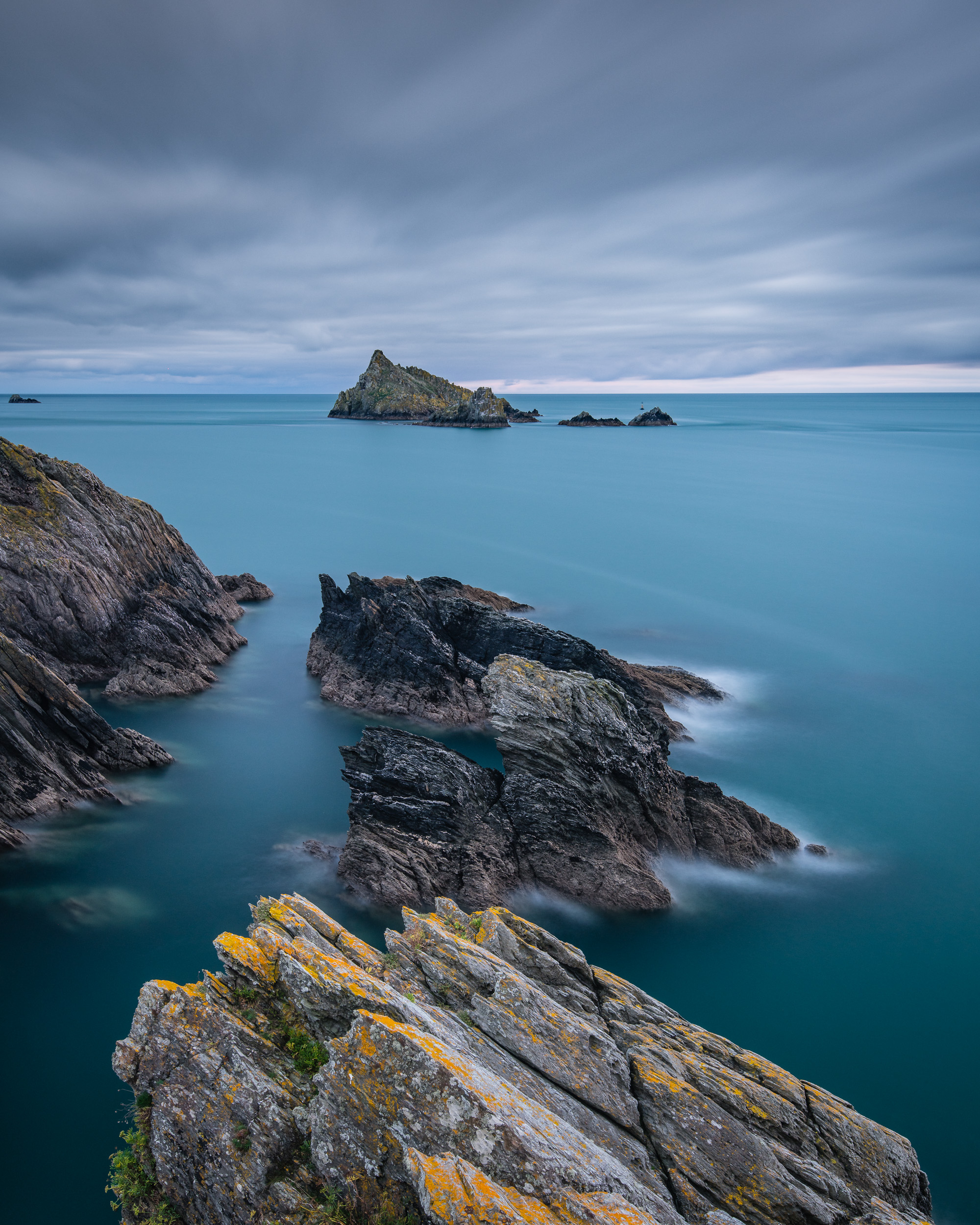
Nikon D850, Nikkor 16-35mm f/4 @ 29mm, ISO 64, 180 secs at f/10. Lee Filters circular polariser and 3 stop medium edge ND grad.
While the image might not be one that goes in the portfolio it was, as always, good to get out with the camera. I'm still familiarising myself with the D850 so time with the camera at the moment is even more important. Overall though I only have positive things to say about the D850 and I'm looking forward to shooting even more with it.
So have you been to Froward Point? What new feature in the D850 interests you? Let me know in the comments below.

Getting to Know Dawlish Warren Again
In the blog this week I tell you about a frustrating couple of weeks with my photography and I return to Dawlish Warren to see how the beach looks now the works have been completed.
Why Dawlish Warren Again?
Over the years I have photographed the beach a Dawlish Warren numerous times. I've written about it my blog a few times and it's featured on my YouTube channel a couple of times. So why do I keep going back here? The simple fact is that I love shooting there. Every time I go there the conditions are slightly different and so I get a slightly different shot.
It is also one of the closest photography locations I have to home. I'm no stranger to driving for over 90 minutes to get a shot in Cornwall, but Dawlish Warren is less 30 mins from home making it nice and easy to get to. It also works well as a sunrise location pretty well throughout the year. It doesn't seem to matter if it's a grey overcast morning or an epic sunrise, there always seems to be a shot to be had. So it's close to home, works well throughout the year and in varying weather conditions. What's not to like!
Desperation and Frustration
For those of you who have read my blog over the last couple of weeks, you'll know that I've recently moved from the Nikon D750 to the Nikon D850. This change in camera represents a step up in camera technology for me and when I made the decision to buy one (not a hard decision I might add), I made a commitment to make the most of my purchase.
So when the D850 arrived on my doorstep on the day of release I was very keen to get out with my latest bit of gear. However, the photography gods have not been kind to me since the arrival of the D850. Photography is a bit of an all-consuming passion for me but I still have to balance my desire to go out with the camera, work a full-time job and being a family man.
Over the last couple of weeks, the weather in Devon has been fairly unsettled. It's not that there hasn't been great weather for photography, it's just that it never seems to have been on the days when I'm free to go out and take pictures. It's not been a total disaster. I managed to create a D850 video and head out to Trebarwith Strand, but I've been desperate to get out way more than that!
That's it! I'm going out!
As my working week progressed and the days came and went without out any camera action I decided that I would go out at the weekend instead. When I checked the weather forecast for the weekend it was generally overcast with light showers. I was damned if I was going to let another weekend pass me by, so I was going to go out regardless of the weather.
I considered some woodland locations, but I thought I might leave those locations for a couple more weeks until the autumn colours really kick in. Then while I was scanning through my custom locations map <insert link> I remembered about good old Dawlish Warren! (If you haven't seen my video on creating a custom Google Map for you photo locations you really should - my map is always a great source of inspiration!).
Not only is Dawlish Warren a great location to shoot but I was also keen to see how the beach had changed since the end of the Beach Management Scheme works. When I visited there for my Summer Solstice video the beach was having a significant amount of work being done on it. Some of the groynes had been replaced and repaired, and more sand was being introduced to the beach areas.
Now the works have been completed I felt it was time to go and reacquaint myself with Dawlish Warren. I was fairly also sure I could get an image despite the forecasted cloud cover.
A New Dawlish Warren
So has there been a significant change in the beach? Here is the image I took so you can see for yourself.
Nikon D850, Nikkor 16-35mm f/4 @ 22mm, f/13, 90 seconds, ISO 64, Lee Filters Circular Polariser and ND Grad.
For those who know Dawlish Warren beach, it may look just the same but most of the groynes have been repaired and strengthened giving them a slightly different look when viewed up close. The woodwork looks fresher and the supporting poles are thicker. To casual beach walker they may look the same but having photographed them for so many years I think they could make for some interesting new photos.
With that in mind, I will be heading back to Dawlish Warren again to shoot one of my 5 Minute Photo Adventure videos there. Though I have featured Dawlish Warren in this video and this video I think it's time to make a dedicated video now that the beach works have been completed. Now that I can automatically GPS tag my images on the D850 I hope to also start logging some accurate location data so I know which groynes I have photographed and which groynes I haven't.
So have you photographed the groynes at Dawlish Warren beach before? Have you been there since the beach works have been completed? What are your thoughts on the updated groynes? Let me know in the comment below.
Trebarwith Strand
In this blog post, I tell you about my recent visit to Trebarwith Strand, how it paid off to get there early and my experience with the Nikon D850.
Trebarwith Strand
I've photographed many different locations in Cornwall. It truly is a wonderful part of the UK and has so much to offer the landscape photographer. Some of my favourite spots include Boscastle and Trevose Head which are amazing coastal locations.
Opportunities to get out and take photographs seem to be rare at the moment, so when the weather looked good for the north Cornish coast I went looking for a spot that I hadn't shot before or hadn't been there for a while. Checking my trusty custom Google map I remembered that I hadn't been to Trebarwith Strand for over 3 years. I checked the tides and my luck was going to be in! What a great location to put my new Nikon D850 to the test.
Getting There Early
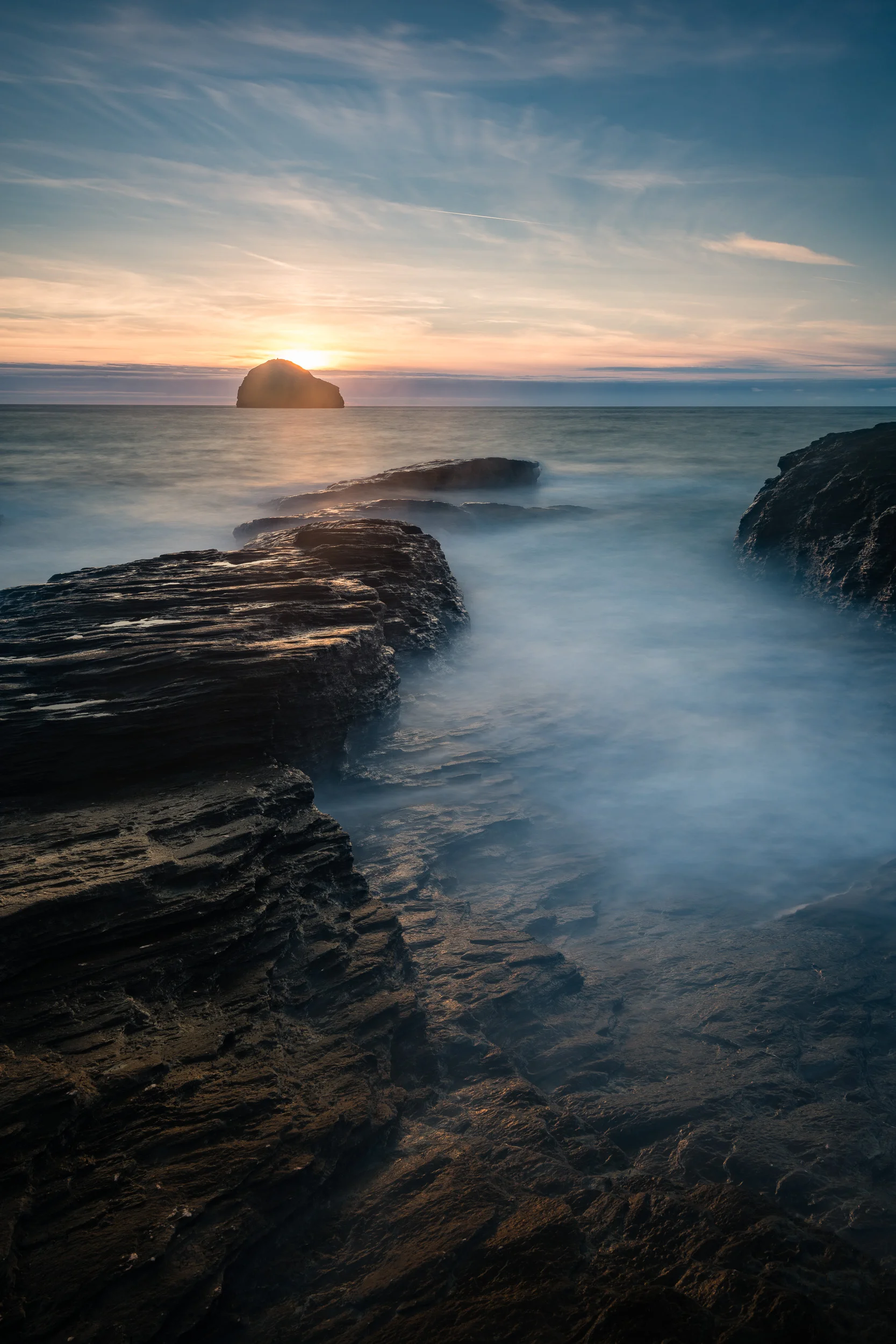
On my last visit to Trebarwith Strand, I noticed how busy the location can get, especially at high tide. For me, the best composition is standing on the rocky ledge and using it as a leading line out to Gull Rock. Problem is that the ledge doesn't fit many photographers so if I wanted to get the shot I was after I would need to get there early. (It was just as well I did because by the time sunset came there were at least 6 other photographers there!)
It's not a long drive so I managed to get there with plenty of time to spare. So I set up and waited. And waited. There wasn't much to do but enjoy the Cornish coast. With no mobile phone signal, I had nothing else to entertain me apart from my own thoughts.
It was actually a rather relaxing time. I stood there and listened to the waves crash around me. I made subtle changes to my tripod position, checked my composition and made sure I had the camera setup. There would be no excuses for not being prepared when all the action started!
Getting to Know the D850
Having said goodbye to the D750 the week before I was now trying to get know the D850. Most of the controls were familiar but there were some subtle differences and some new features that I was still learning how to use. Most of these changes I talk about in my recent D850 video and blog post. Overall the camera was living up to my expectations and I was having fun using it.
As sunset approached I started taking some test shots. I was shooting into the sun but my foreground was some very dark, wet rock. I thought this would be a good test of the dynamic range of the camera.
Sunset Action
As the sun started getting close to the horizon I could see a bank of cloud out to sea that would surely kill the sunset early. So rather than waiting right to the end, I started shooting while the sun was still quite strong in the sky. It was a balance between an overpowering sun and loosing the reflected light from the rocks.
Nikon D850, Nikkor 16-35mm f/4 @ 26mm, f/13, ISO 64, 20 seconds, Lee Filters Big Stopper and ND Grad.
As you can see the camera did an admirable job of balancing the highlights and the shadows. The level of detail that was recorded in the shadows was impressive and post-processing was relatively straightforward.
Though I didn't get the sunset I was after I was still very happy to get out with the camera and to spend some time outdoors. I may have been standing on that rocky ledge for a long time but I enjoyed the experience, and for me, that is half the fun of photography. Just being outside and enjoying the outdoors.
Do you have a favourite location that requires you to get there early? Do you enjoy the experience of being outside almost as much as the photography? Let me know in the comments below.
My YouTube Channel is 1 Year Old
In this blog post, I celebrate my YouTube channel's first birthday. I talk about why I started the channel and show you some of my most important videos.
Another Birthday!
I recently celebrated the first birthday of my blog and now I'm pleased to say that my YouTube channel is doing the same!
My blog was an easy way for me to journal and share my photography stories, but it soon became apparent to me that creating videos would be a natural extension of this. As with most things though it wasn't as straightforward as I thought it might be, but once I had started I was determined to keep going with it and improve.
My First YouTube Video
My first video, which you can see below, was on drone photography. The story was that I would leave my big Nikon camera behind and see what landscape images I could capture using my DJI Phantom 3. Looking back it's a bit rough around the edges, but as a first VLOG, it was to bad!
My first video on my YouTube channel.
After that video, I created a few others with varying degrees of success. I covered topics such as My Top 5 Landscape Photography Locations in Devon, Creating a Custom Google Map, and How to Use ND Filters. I found the filming hard work. There was a lot to deal with on top of just taking pictures. I had to worry about audio, repeat takes, camera position etc. Then back in post-production, I had to learn how to edit, merge audio to video, export and publish. However, once a video was published there was a great sense of satisfaction.
The Big Adventure
What really keeps me creating new content is the fact that people actually watched my videos. Not in huge numbers, not like a Thomas Heaton, but enough people left positive comments to make me want to carry on. Much in the same way people did with my blog.
So when I decided to spend a few days in Glencoe in March I thought it would be an adventure worth documenting.
My Glencoe adventure video really seemed to hit a mark with people and it gave my subscriber count a significant boost. It was another turning point for my channel and rather than doing videos when I could I started adding video to my regular publishing schedule.
The 5 Minute Adventures
While the longer and more adventurous videos are great to make, they are a significant investment in time and can sometimes take weeks to get done. I wanted to create more videos but with a day job and a family, having the time to create long videos was difficult to find.
After a few people commented on how the liked some of my shorter videos and that enabled them to watch them more readily, I decided to start the 5 Minute Photo Adventure Series. The idea was simple really. I would go to a single location, talk about what I had planned, what I was doing and shoot an image. With just a single location and shot to plan for the production time was much reduced and so I could create more videos.
Here is one of my favourite 5 Minute Photo Adventure videos, but you can watch the entire series by clicking here.
The Nikon D850 Video
I was very excited about the purchase of my Nikon D850 and I was fortunate enough to get one of the day of release. In all the excitement I decided to make a video on my initial experiences. I posted up the video and within 24 hrs it was approaching 10,000 views! This was twice as many views as my Glencoe video ever had. There was an obvious demand for D850 on YouTube and thanks to some good timing I think I had managed to capitalize on that.
The D850 video is by far my most popular video and has given me the biggest subscriber boost.
The Future
I've got a number of videos planned in for the remainder of the year. I'll keep doing my 5 Minute Photo Adventure videos and I have a few bigger adventure videos planned as well. I'm also aiming to do a follow-up drone video and a follow-up video on printing. So there should be something there for all my 1900+ subscribers (never thought I'd get that many!).
So have you checked out my YouTube channel? Do you have a favourite video? Is there a video you'd like to see my make or a location you want me to visit? Let me know in the comments below.

Nikon D850 Exposed - Unboxing, Capture, Process and Print
In this special blog post and video, I take a look at the new Nikon D850. I unbox it and take it out to Dartmoor to capture some images. Back home I process and print the images and give you my first impressions of the camera.
A Little Camera History
My first full frame camera was the Nikon D600 which was released in September 2012. As many people know this camera had a few problems with oil leaking onto the sensor. Despite a number of product recalls the product was eventually replaced by the D610 in October 2013. I was lucky though as Nikon replaced my D600 with a new D610 under warranty.
In July 2014 Nikon announced the Nikon D810 and this was followed up by the release of the D750 in September of the same year. After only a short time with the D610 I decided that I was going to upgrade again. I looked at both cameras but at the time I felt I couldn't justify the cost of the D810, nor would I probably benefit from what it offered.
The D750, on the other hand, had a few of killer features. It had the flippy out LCD screen, high ISO capabilities, and WiFi built in. While the latter two would only really benefit my music photography, the flippy out LCD would be great for my landscape work. So I sold my (almost new) Nikon D610 and purchased the D750.
It's Finally Here
The D750 continued to be my main camera for the next three years until the D850 appeared on my doorstep the other day. I had been considering an upgrade for around a year but there was nothing really to upgrade to. The Nikon D810 was still a great camera, but I would miss some of those great D750 features.
I wasn't going to change camera systems either. Sure the Sony mirrorless technology is very attractive, and the new Fuji mirrorless medium format camera is a landscape photographers dream, However, the transition to either system would be costly and neither was that well suited to my music photography.
So when I saw the D850 announcement and looked at the specification list it ticked all my boxes. When pre-orders became available I was ordering within minutes! This was going to be a significant investment for me but I feel I'm at a point in my photography journey that I can justify the upgrade. Thanks to part-ex with WEX I can offset some of the cost by trading in my D750.
Using the D850
So now that I have the D850, what is it like? To document my experience from unboxing to capturing my first landscape image, processing it and finally printing it I have created this video.
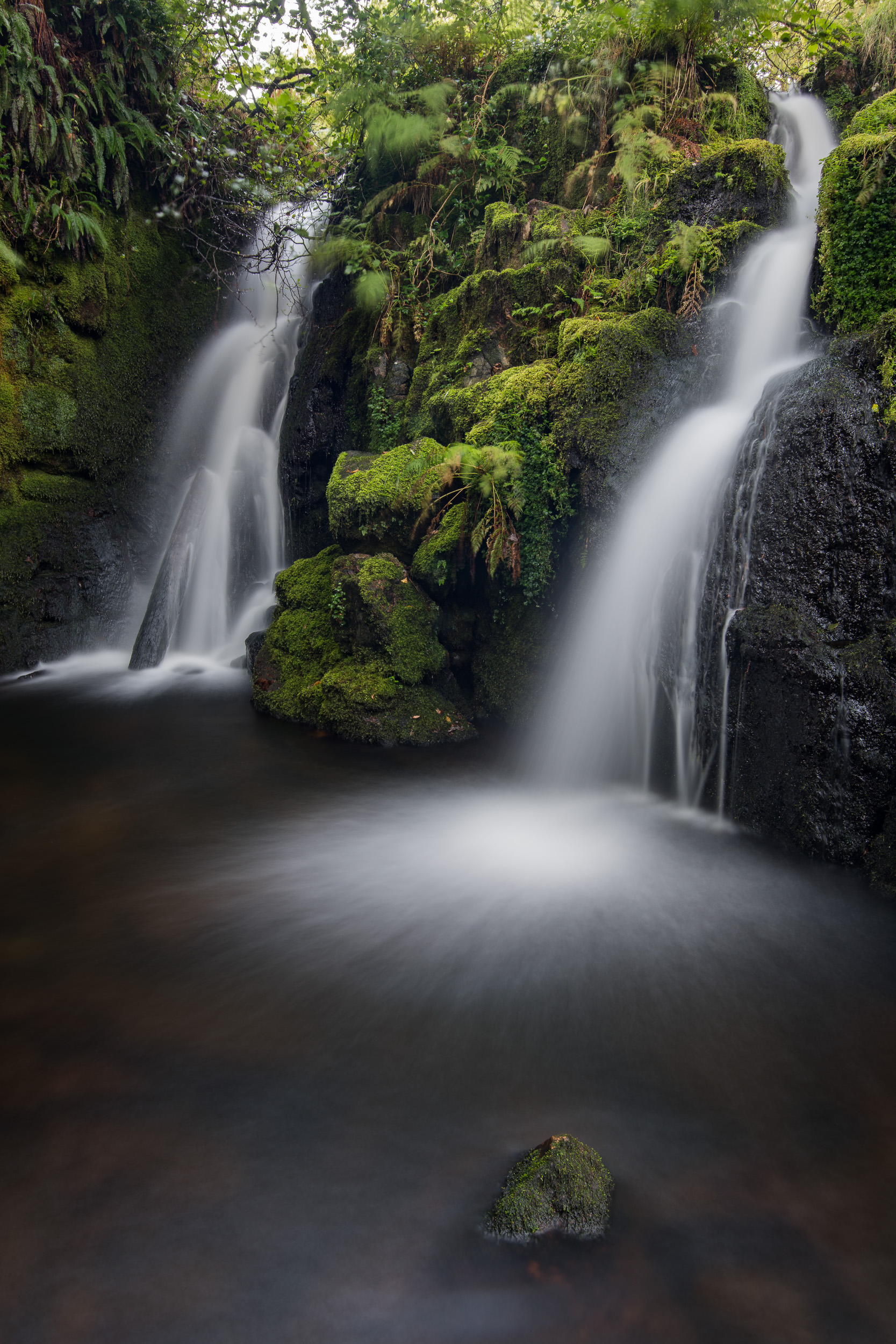
I would have like to have used the camera for the first time in better circumstances but the weather was just proving too problematic. Venford Falls was a good option but looking at the images a lot of foliage is being blown about by the wind. The falls really look their best in spring time when everything is green, fresh and lush.
However, even with the challenging conditions, the camera was able to produce images with great tones, colour, and contrast.
A metered exposure of 30 seconds gives great results.
This image is the same as the previous image but at 8 seconds this image was deliberately underexposed. However, there was no apparent loss in quality when the darker areas of the image were recovered.
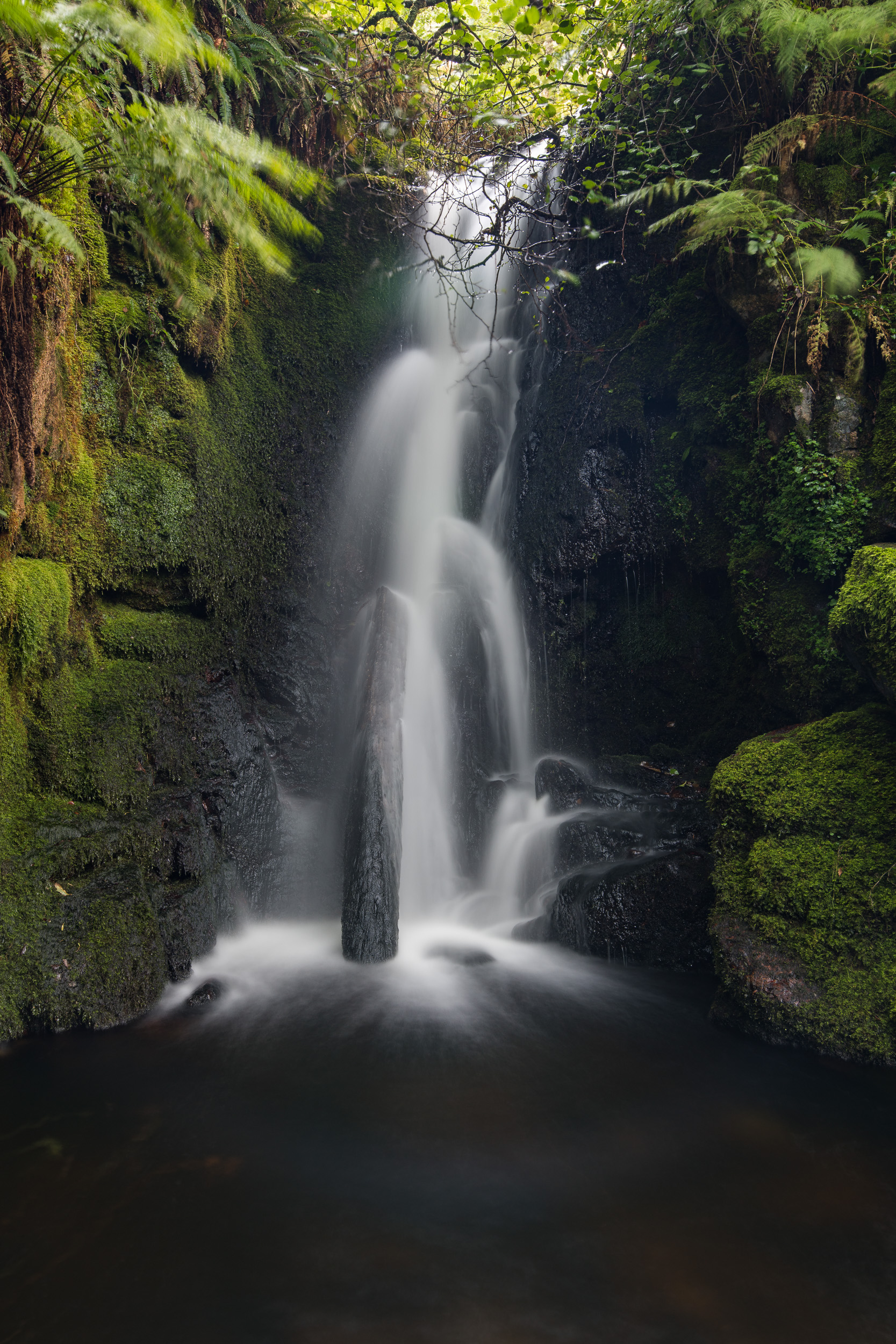
I really liked the handling of the camera it made the capturing of images just a little easier than it is in the D750.
More to Learn, More to Shoot
I've only had the D850 for a few days so there is so much more to learn about this camera. There will be the enhanced features over the D750 as well as some new capabilities that I can learn about. I guess it will take a while before I really start leveraging what the D850 has to offer, but it's going to be fun learning.
So will the D850 make me a better photographer? Of course not! Only by practising the craft of photography will I become a better photographer. The D850 is a tool and it will help me capture my images, but it can't improve my creative eye. As David duChemin says, "Gear is good, but vision is better".
So have you bought or considered the new Nikon D850? Have you recently replaced your camera? Have you changed camera systems before? Let me know in the comments below.

Landscape Photography with a Lensbaby Velvet 56
In this special blog post and video, I go on a creative journey with my landscape photography as I try out the Lensbaby Velvet 56.
A Creative Journey
The gear that I use to take landscape photographs hasn't changed too much over the years. I've upgraded my Nikon bodies and expanded my lens collection to encompass a wider range of focal lengths. Aside from that though, things have remained largely the same. After all, the gear I use suits the type and style of photographs I take.
So when Lensbaby asked me to try their Velvet 56 lens I wondered how it might fit into my style of photography. The Velvet 56 is the type of lens that you would use for portraits or close up photography, or if you wanted to add a glow or vintage look to your photographs. All the kind of things that I typically don't do with my photography.
So why did I decide to give the Velvet 56 a try then? Simple really. I wanted to expand my photographic horizons. You should never be scared to try new things. I felt that even if I decided that this wouldn't be a lens that I buy I was sure trying something new would be fun, challenging, and most of all teach me something new.
Rather than write a very lengthy blog post on my experiences with the Velvet 56, I've documented the entire experience and my conclusions in this video:
So that was my adventure with the Velvet 56. As I said in the video it was a great experience and I very much enjoyed doing something different with my photography and pushing the boundaries of what I'm used to. Sure it's not a lens I would use a lot, but in the right situation, it's a lens that can be used to great creative effect.
So how do you like to push your creative boundaries? Have you ever considered using a Lensbaby lens? Let me know in the comment below.
The Images
You will have seen all the images in the video but if you want to see what they look like in more detail so you can really see the effects produced by the Velvet 56, they are here in this handy little gallery.


Belstone Common
In the blog this week I tell you about my recent trip to scope out new locations on Belstone Common on Dartmoor.
A Backup Location
A couple of weeks ago I told you about my unsuccessful adventure to find and shoot some stooks. However, I always knew there would be a risk that I wouldn't find any stooks, so I made sure I had a plan B. Nothing worse than going out with the camera and not taking any photos at all!
As usual, I had a look at my custom Google map to see what locations were nearby to my primary location. I quickly spotted Belstone Common on the northern edge of Dartmoor. I had marked this location as one that I needed to return to. As I hadn't been there since 2015 I thought this would be the perfect time to go.
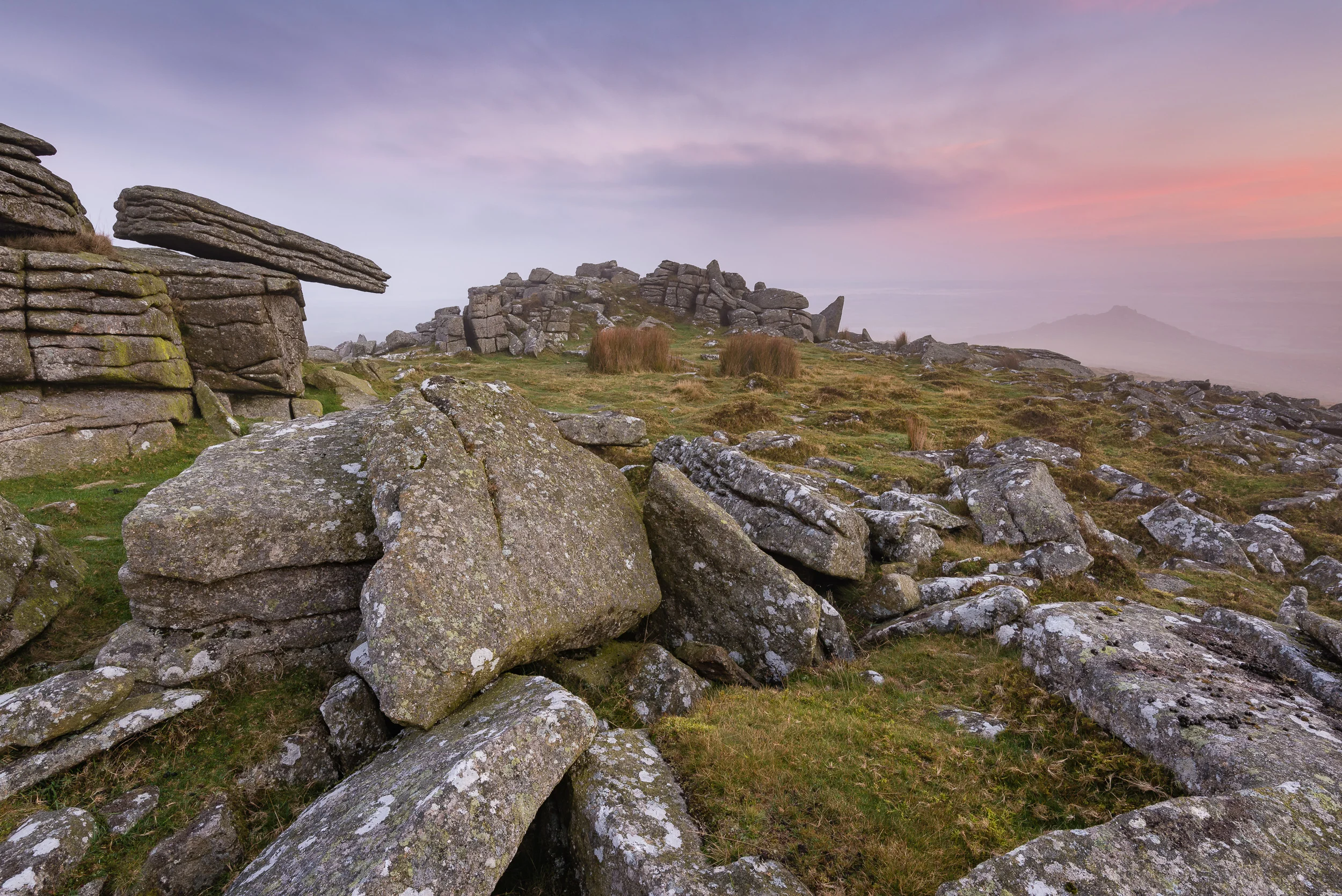


When I couldn't find any stooks I was glad that I had the foresight to think of another location. It was only another 30 minutes in the car so it wasn't long before I had parked up and started the walk up into the hills.
Location Scouting
Though I had a backup location, one thing I wasn't able to plan for was the weather. While the forecast was suited well to taking pictures of stooks, it wasn't optimal for taking big vista shots on Dartmoor. However, if there is one thing that I have learned about Dartmoor is that the weather can be very different up there on the moor (as I found out on a recent trip to Brentor Church).
It's a nice walk from the car park up on to Belstone Common. If you are thinking of going yourself you should be aware that it is on a MOD firing range, so be sure to check if it is open to the public when you visit.
There is a lot to shoot up on Belstone and there are a number of viewpoints and tors to shoot. Though I had visited this location before, this trip was more about finding compositions for later dates. Given that the skies weren't that interesting I was happy enough just wondering about and doing some exploring.
Nikon D750, Nikkor 16-35mm f/4 @ 31mm, f/13, 1/25 sec, ISO 100, Lee Filters ND grad.
The first shot I took (above) was of Winter Tor and beyond. I really like this view as it gives you a nice wide view of Dartmoor as it stretches off into the distance. I took this shot around 90 mins before sunset so the light is still a bit too harsh for my liking, but in terms of a location to return to it's definitely on the list. Next time I might try it at dawn and perhaps with a longer lens.
Not Enough Time
The great thing about Belstone Common is that there is so much to shoot. Unfortunately, as I arrived only a short time before sunset I did have to rush around a little. I felt there was so much more to explore. However, that gives me a great reason to return!
Nikon D750, Nikkor 16-35mm f/4 @22mm, f/13, 0.6 sec, ISO 100, Lee Filters ND grad.
With time running out and sunset due in 30 minutes I started my descent back to the car and to a location, I had spotted on the way up. I took the image above just before the sun went behind a cloud, killing off any hopes of a dramatic sunset. However, as with the previous image, it is a location that I will visit again.
As I continued my descent back to the car I was happy with what I had captured and pleased that I had made the decision to visit Belstone Common. I would definitely be back!
Goodbye Nikon D750
As I write this blog it looks like that this might well have been the last trip out with my Nikon D750. It's time to trade in for a different camera. But which one I hear you cry! Well, with any luck I'll be revealing which camera it is on next weeks blog post.
So do you always head out with a plan B location? Do you do a lot of location scouting? Which camera do you think I'm getting next? Let me know in the comments below.

Happy 1st Birthday to My Blog
My blog is celebrating its 1st birthday! Read about why I started the blog, what has happened over the last 12 months and what the future holds.
Starting Out
On August 30th, 2016 I published my first ever blog post, We All Have to Start Somewhere. It was very much an introductory article in which I talked about why I had started the blog and what my goals were.
I had been thinking about starting a blog for some time. I wanted a place to share my stories and images so a blog seemed the best place to do it. I already had my website so adding the blog was relatively easy. The challenge, of course, was going to be writing interesting and engaging content for it.
Like a musical artist delivering his first album, I'd had plenty of time to think about my first collection of tracks, or in this case, articles. The real challenge would be to keep the momentum going. I had watched plenty of Fro Knows Photo's Rapid Fire Critique's to know that a blog that isn't regularly updated is a dead blog.
Momentum
To keep my blog alive I made a personal commitment to write a new blog post every week. At first, this was easy as I already had a few article ideas but as time progressed the pressure started to build.
It would have been all too easy to let the idea drop, but I'm not that kind of person. Not only was the blog helping me grow as a photographer, but people were actually reading my content! As soon as people start leaving comments I felt duty bound to continue with the blog. More than that though, and despite the challenges, I was enjoying the process of writing.
Benefits and Growth
So a year on and I'm pleased to say that I have managed to publish a new blog post every week. Some have been short, some long. Some have had videos, some have been opinion pieces. Whatever the nature of the content though, the commitment of writing something new every week has greatly encouraged me to get out much more with my camera and shoot.
The natural progression of this increased time with the camera is that my photography has improved. The action of taking pictures and then writing about it can really make you think about what you did and why. By learning from my successes and failures I have grown as a photographer.
To help get my blog posts and photographs seen by as wide an audience as possible I made sure that each new blog post was shared on Facebook, Instagram, Google Plus and Twitter. This approach has really driven traffic to my site and I have seen a 20 fold increase in visitors to my website. It's very encouraging to know that people want to see your photos and read your blog.
One final benefit of all this writing is that I was recently asked to start writing articles for Improve Photography. This was a fantastic opportunity and one that I have grabbed with both hands! Improve Photography is a great source of information, training, tips, reviews, and articles so if you've never visited be sure you do soon.
My Favourite 3 Blog Posts
Over the last 12 months, I have written about a wide variety of photography topics, but the three blog posts below are some of my favorites. They might not necessarily be the most read, but for me, they are possibly the most important as they either represent significant topics or were a story about moving forward with my photography.


The Future
So what does the future of the blog hold? Well, I'm going to continue with my commitment of posting every week. I'll carry on telling stories of my photography adventures, including all the failures! I'll also share my opinion on various photography topics and share any advice and tips I have. So lots more of the same but I also have some exciting plans for the future so stay tuned!
Do you have a favorite blog post of mine? Is there something you'd like me to cover on the blog? What other photography related blogs do you read? Let me know in the comments below.

In Search of Stooks
Have you ever gone out on a shoot and then couldn't find the thing you went out to photograph? In this blog post I tell you about my search to find some stooks to photograph and how they appear to be more difficult to track down than Ithought.
So I suspect many of you are wondering what on earth is a stook? According to the dictionary it is a group of sheaves of grain stood on end in a field. They look like this:
Nikon D600, Nikkor 16-35mm f/4 @ 21mm, f/16, ISO 100, 0.6 secs. Taken 1st August 2013.
So now that we have clarified what a stook is and what they look like this blog post should make a lot more sense.
I last took a photo of a stook back in July 2014. Since then I've been away on holiday when the crops are harvested and the stooks created. However, I've always wanted to go back and shoot them again. They make for great photographs due to their location (typically in the rolling hills of Devon), their construction and that they are put into nice long lines. If you get some nice evening light on the field it can make for a lovely image.
This year I decided that I would really make the effort, despite an impending family holiday, to track some stooks down and photograph them. Stooks are created using traditional farming techniques so they aren't that common and finding them can be tricky. From my previous two years of shooting them I knew of at least two fields where they might be though.
Nikon D600, Nikkor 16-35mm f/4 @ 16mm, f/18, ISO 100, 0.5 secs. Taken 23rd July 2014.
Using my previous location knowledge I checked each of these locations once a week in July. No stooks though! Fortunately for me though the crops had not been harvested from those fields so there was still a chance that when I return from my holiday that there might be some stooks.
Fast forward a couple of weeks and I'm sorry to say that my most recent search for stooks has also drawn a blank! Strangely though the crops are still in the fields where I've known there to have been stooks before. I don't know if this is an indication that the farmer is no longer planning on making stooks in that field or that they are making them later than I've seen them before. The photos in this blog were all taken late July and early August, so it should be prime time for stooks!
Nikon D600, Nikkor 16-35mm f/4 @ 22mm, f/18, ISO 100, 1/3 sec. Taken 23rd July 2014.
Given that the crops are still in the fields I'm still hopeful that I will get a shot of them this year. In the mean time I'll just have to enjoy my previous images and hope that this year I will take even better images of this traditional way of stacking crops. I'll keep you posted!
Have you ever seen or photographed stooks? Have you ever had difficulty finding a subject that you wanted to photography? Let me know in the comments below.